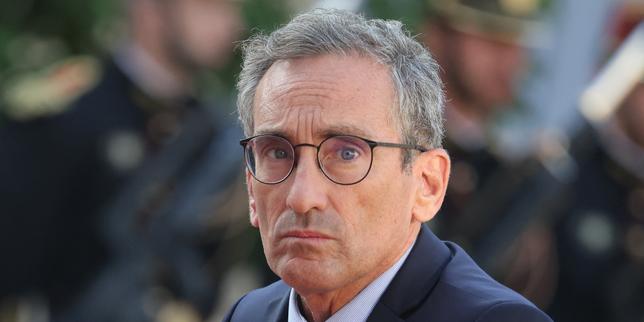
The diplomatic machinery binding Paris and Washington is currently grinding to an abrasive halt. The United States is actively weighing whether to delay or outright block the credentials of Aurélien Lechevallier, Emmanuel Macron’s chosen envoy to the American capital. This sudden roadblock stems directly from a sharp war of words at the United Nations over human rights standards.
When statecraft collapses into public mudslinging, ambassadors become the primary collateral damage. The nomination process is supposed to be a quiet, procedural formality among historic allies. Instead, it has transformed into a high-stakes proxy war over institutional accountability, global trade friction, and competing visions of international law.
The Geneva Spark That Ignited a Transatlantic Firestorm
To understand why Lechevallier's posting is in jeopardy, one must examine a single, incendiary social media post originating from the French permanent mission to the United Nations in Geneva.
During a procedural vote to extend the mandate of UN Human Rights High Commissioner Volker Türk, the United States aligned itself with nations like Russia and North Korea to vote down the proposal. Türk has drawn intense ire from Washington and its partners for his outspoken criticism of military actions in Gaza and his demands for independent investigations into fatalities within American immigration detention facilities.
France refused to let the vote pass quietly. The French UN mission published a scathing public rebuke online, declaring that the United States no longer served as a global beacon for human rights and asserting that the international community had stopped listening.
Diplomacy relies on private friction and public harmony. By inverting this golden rule, Paris triggered genuine fury within the inner circles of the Trump administration. State Department officials immediately condemned the rhetoric as disrespectful and irresponsible, setting the stage for retaliation.
The Anatomy of a Blocked Nomination
Rejecting an ambassadorial nominee from a close treaty partner is an extraordinary maneuver. It is a calculated diplomatic snub designed to signal deep displeasure without severing formal ties entirely.
Aurélien Lechevallier is no novice. Serving previously as an adviser at the Élysée Palace, ambassador to South Africa, and chief of staff to Foreign Minister Jean-Noël Barrot, he represents the archetype of the seasoned French career diplomat. Paris had planned to have him stationed in Washington by September to steady the bilateral relationship.
That timeline is now in tatters. By dragging its feet on granting formal agrément—the official approval required from a host government before an ambassador takes up residence—the White House can leave the French embassy in a state of prolonged administrative limbo.
This is not happening in a vacuum. Trade tensions are already mounting over aggressive tariff policies imposed by the White House. Disagreements regarding the trajectory of the war in Ukraine and broader security commitments continue to strain the bilateral foundation. When a government wants to punish an ally, blocking an ambassador is the most potent bureaucratic weapon available.
The Cost of Grandstanding in Modern Diplomacy
The fallout extends far beyond hurt feelings in diplomatic quarters. Modern statecraft requires functional channels precisely when governments disagree. Leaving the French embassy without a fully empowered chief of mission during a period of acute transatlantic friction guarantees that misunderstandings will fester rather than resolve.
Senior sources within the French foreign ministry maintain that the Geneva post was cleared through official channels, dismissing theories that it was the unauthorized work of a rogue press officer. This means the escalation was calculated at high levels in Paris. Macron’s administration miscalculated the depth of the reaction it would elicit from an American administration that brooks zero public lecturing on domestic governance or human rights enforcement.
Consequences will ripple across multilateral forums. If Washington chooses to freeze the nomination indefinitely, France faces a humiliating choice. It can either withdraw Lechevallier to save face and propose a quieter figure, or leave the post vacant, signaling a permanent diplomatic freeze.
The oldest alliance in American history is paying a heavy price for ideological posturing at the United Nations. As trade barriers rise and security pacts face unprecedented strain, the inability to seat a basic diplomatic envoy demonstrates just how fragile institutional relationships have become.
There is no easy off-ramp when pride replaces pragmatism in international relations.
Trump vs Macron: US Considers Blocking French Envoy After UN Showdown
This video provides a comprehensive overview of the escalating diplomatic standoff between Washington and Paris following the clash at the United Nations over human rights policies.