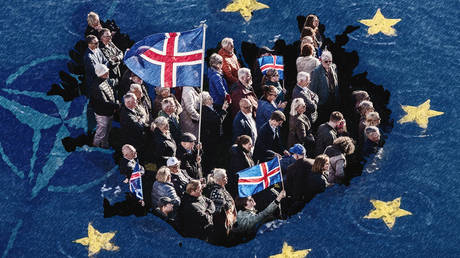
The North Atlantic island nation is once again confronting its relationship with Brussels, forced by sudden shifts in global security and economic friction. When voters head to the ballot boxes to decide whether to resume frozen accession talks with the European Union, they are not merely weighing the pros and cons of continental integration. They are navigating a complex intersection of national identity, monetary vulnerability, and escalating geopolitical stress in the Arctic.
For decades, the standard narrative surrounding Iceland and the European Union remained frozen in the aftermath of the 2008 financial collapse. Back then, a desperate application for membership was filed, only to be shelved indefinitely as the domestic economy recovered on the back of tourism and marine exports. That old status quo is dead. Shifting trade policies from Washington and acute security anxieties regarding the Arctic have forced Reykjavik to re-evaluate its solitary posture. For another perspective, check out: this related article.
The Myth of Complete Independence
Proponents of resuming negotiations argue that the country's current arrangement is an illusion of autonomy. Through the European Economic Area agreement, Iceland already implements a vast majority of single-market legislation without holding a single vote in the institutions that draft those laws.
This democratic deficit sits uncomfortably with business leaders and reform-minded politicians. They point out that the country is tightly bound to European regulatory standards while remaining entirely voiceless. Further insight regarding this has been shared by The New York Times.
Inflation remains a stubborn domestic headache. High interest rates and soaring living costs pinch households daily.
Advocates for closer ties suggest that anchoring the economy closer to the European bloc could eventually pave the way toward stabilizing currency fluctuations through the euro. Yet, this economic argument runs headfirst into deeply entrenched historical anxieties.
The Sacred Waters
Fishing is not merely an industry in this volcanic outpost. It is the literal foundation of the modern state's sovereignty.
Opponents of European integration frame the entire debate around the preservation of control over marine resources. The fear of falling under the jurisdiction of the common fisheries policy remains potent. Generations of Icelanders grew up learning about the Cod Wars—series of confrontations with the United Kingdom fought to secure maritime boundaries.
Handing any measure of management authority over those rich fishing grounds to foreign bureaucrats in Brussels is viewed by critics as an intolerable betrayal of historical sacrifice. Skeptics argue that no amount of economic stabilization justifies risking total jurisdiction over the ocean wealth that sustains coastal communities.
This defensive posture relies on a comfortable baseline. Supporters of the existing arrangement emphasize that the nation consistently ranks among the happiest and safest societies globally while retaining absolute freedom over its laws and resources. Why gamble that stability on an uncertain bureaucratic alignment?
The Arctic Security Calculus
What makes the current moment distinct is the intrusion of hard geopolitics. Washington's unpredictable tariff adjustments and aggressive rhetoric regarding Arctic territories have rattled foreign policy planners in Reykjavik.
Small nations standing alone find themselves uniquely vulnerable in a fragmenting global order marked by great-power competition. Proponents of opening talks argue that formal integration provides an essential shield. Economic security increasingly overlaps with political alliances. Standing completely outside the primary regional bloc leaves fewer diplomatic levers available when larger powers begin treating Arctic trade routes and resources as leverage points.
Public opinion reflects this sharp division. Polls consistently show a knife-edge split between those who want to re-engage with Brussels and those determined to protect traditional boundaries.
A vote to resume talks does not mean immediate membership. It simply opens the door to formal bargaining, knowing full well that any final treaty would ultimately require another direct mandate from the public.
The underlying tension persists beneath the political maneuvering. Nations built on a fierce tradition of self-reliance must constantly calculate whether isolation guarantees freedom or simply isolates them from the tables where real power is exercised.