The American consumer is exhausted, and the data proves it. In May 2026, the University of Michigan’s Consumer Sentiment Index plummeted to a historic depth of 44.8, dropping well below the previous economic nadir of June 2022. For an administration that built its return to power on the explicit promise of fixing the domestic checkbook, this is an alarming metric. The primary driver is simple: a compounding, relentless cost-of-living crisis that has outpaced wage growth and eroded household balance sheets. While mainstream political analysts blame a singular figure or political party, the actual machinery behind this collapse is a volatile mix of sweeping tariff regimes, persistent domestic deficits, and a sudden geopolitical supply shock in the Middle East that sent retail gasoline prices screaming past $4.50 a gallon.
To understand why the public mood has soured so rapidly, one must look past headline economic growth and focus strictly on the daily friction of survival.
The Friction of the Fifty Seven Percent
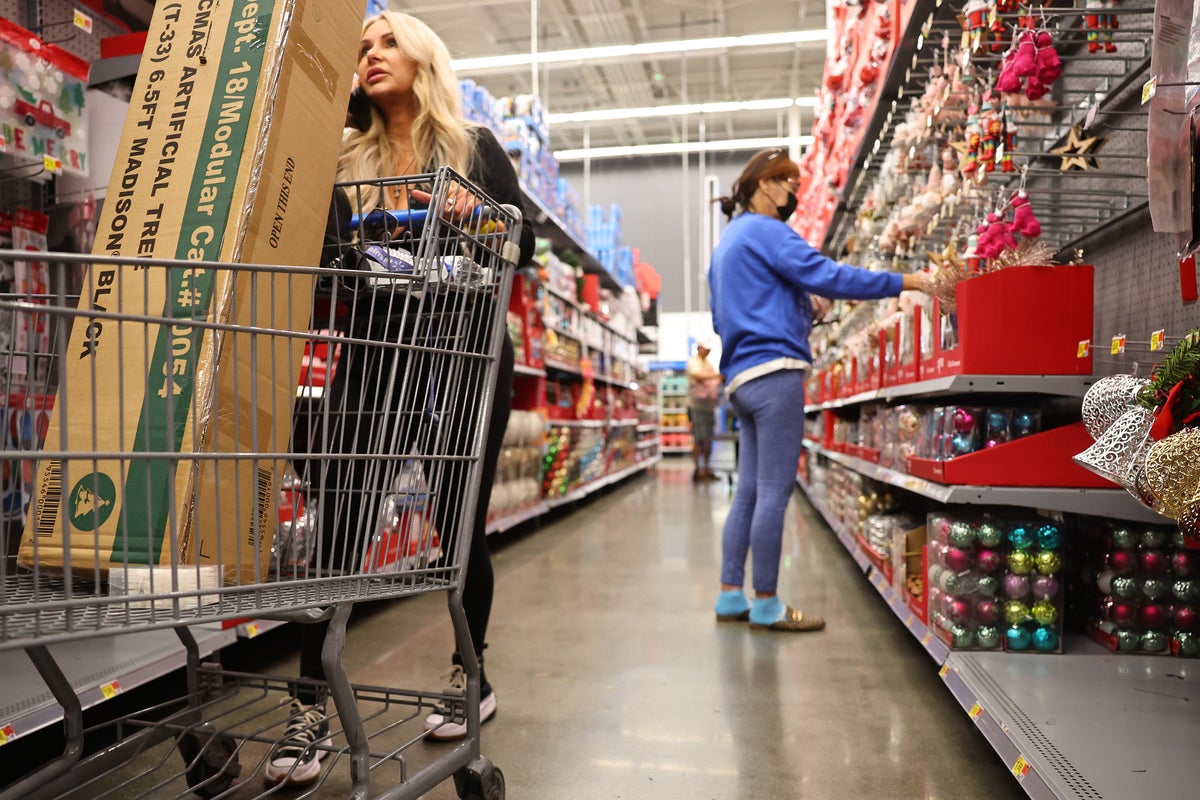
A single data point from the University of Michigan survey exposes the depth of the current panic. Fifty-seven percent of surveyed consumers spontaneously reported that high prices are actively eroding their personal finances. This is not a vague theoretical worry about macroeconomic stability. It is a direct statement of personal insolvency risk.
For years, policymakers treated inflation as a temporary friction, a post-pandemic hangover that would dissipate once global supply networks normalized. Instead, prices stabilized at a permanently higher plateau, only to begin climbing again in early 2026. The Consumer Price Index for April rose 3.8% over the preceding 12 months, driven heavily by an 17.9% annual spike in energy costs. When energy surges, everything else follows. The cost of moving a box of cereal across the country rises, the cost of manufacturing plastic packaging increases, and those line-item expenses are instantly transferred to the retail shelf.
The result is a sharp, structural fracturing of the American consumer base. Economists often analyze spending as a monolithic block, but the reality on the ground is starkly divided. A distinct K-shaped split has formed.
- The Upper Tier: Households with asset portfolios, fixed-rate mortgages locked in during the low-rate era, and flexible corporate incomes are managing to maintain their discretionary lifestyle, pivoting toward premium travel and experiences.
- The Lower Tier: Hourly workers, non-college-educated individuals, and renters are facing an unyielding wall of high prices. They are maxing out credit lines just to purchase essentials.
The Geopolitical Trigger and the Tariff Trap
The immediate catalyst for the May plunge was the outbreak of conflict in the Middle East, specifically the severe maritime supply disruptions in the Strait of Hormuz. Energy markets reacted with predictable violence. Brent crude surged, and domestic retail gasoline quickly followed, hitting a national average of $4.55 per gallon.
Gasoline is a unique psychological indicator. Unlike a medical bill or an insurance premium, which is paid quietly via auto-draft once a month, the price of fuel is broadcast on giant glowing signs at every major intersection in America. It serves as a constant, unavoidable reminder of a diminishing paycheck.
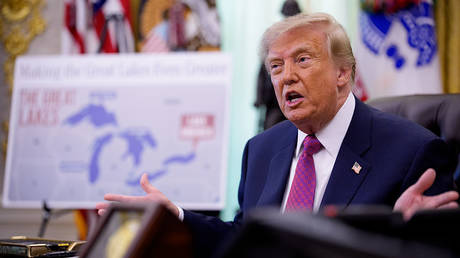
Yet, blaming the Strait of Hormuz for the current crisis ignores the foundational dry tinder that allowed this spark to catch fire. The second Trump administration entered office in January 2025 with an aggressive economic agenda centered on sweeping import tariffs and intensive border enforcement. The stated goal was the protection of domestic industry. The unstated economic cost was immediate upward pressure on consumer goods.
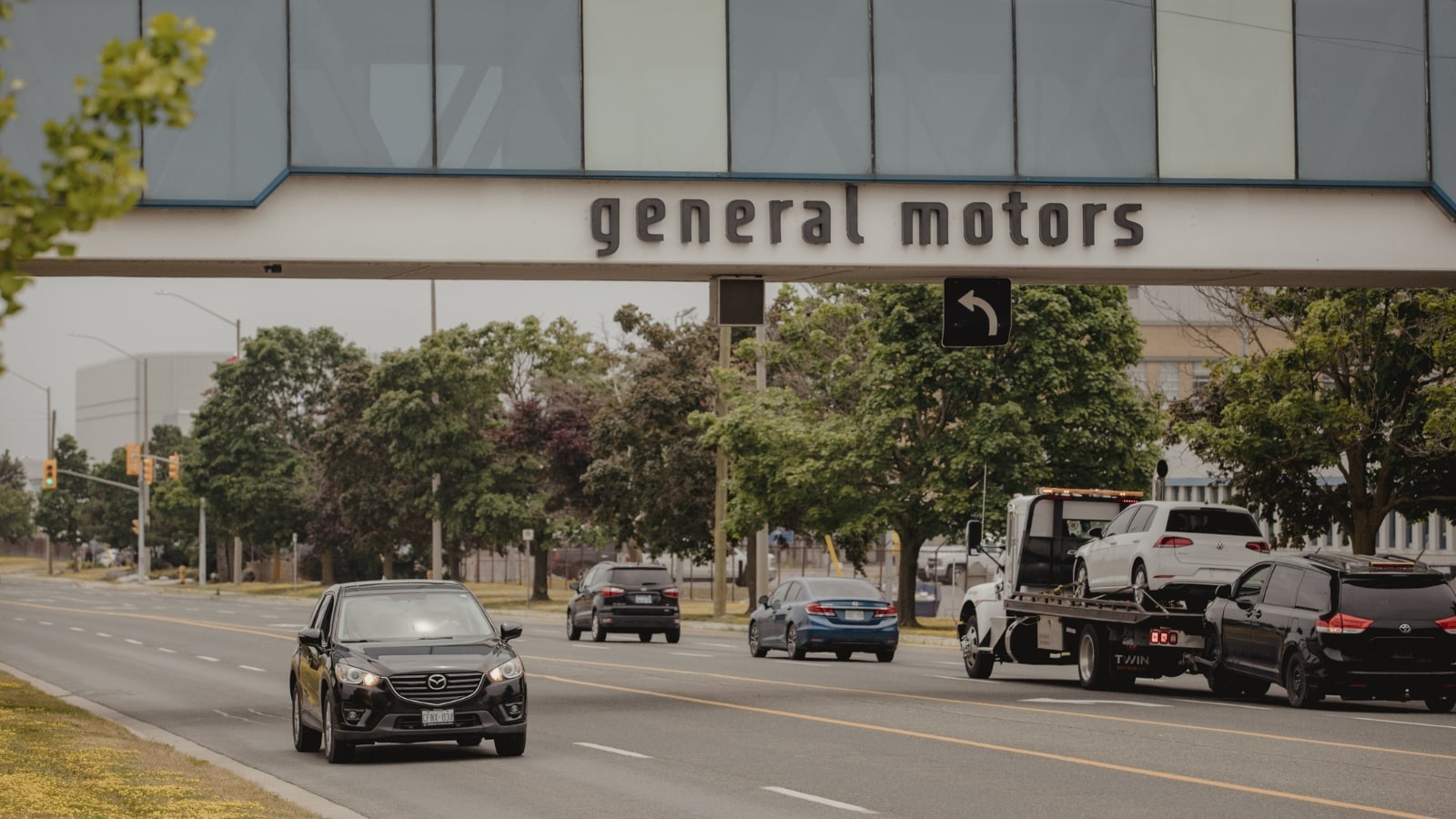
When a tariff is levied on foreign steel, components, or consumer electronics, the foreign exporter does not pay that tax; the importing American corporation does. To maintain profit margins, those companies pass the tariff burden directly down the supply chain. By the time those goods hit a big-box retailer in 2026, the cumulative tax is borne entirely by the shopper. Combined with a slower, tightening labor market that has reduced overtime opportunities, the average worker is caught in a pincer movement: flat income and climbing retail bills.
The Core Affordability Illusion
A common defense mounted by defenders of current policy is that wages have risen significantly over a five-year horizon. This is mathematically true, but it misses the psychological reality of inflation. Consumers do not look at their nominal wage increases and celebrate; they look at the cumulative loss of their purchasing power since 2020 and feel poorer.
Consider a hypothetical example. If a manufacturing worker earned $25 an hour in 2020 and makes $31 an hour today, they have received a 24% raise. However, if their basket of groceries, their monthly electric utility bill, and their used car insurance have all jumped by 30% to 35% over that exact same period, that worker has experienced a net pay cut in real terms. They are working the same hours for a lower standard of living.
Furthermore, the price crisis has moved far beyond the grocery aisle into structural, unyielding necessities:
Expensive and Impenetrable Credit
The Federal Reserve's prolonged campaign to keep interest rates elevated to combat this stubborn inflation has created an secondary affordability barrier. Borrowing money is now prohibitively expensive. Mortgages hovering at high percentages mean that the traditional path to middle-class wealth accumulation—homeownership—is effectively locked away for first-time buyers. Automobile loans and credit card interest rates have climbed to multi-decade highs, turning routine financing into long-term debt traps.
The Rise of Auxiliary Financing
Because traditional credit is strained, a massive shift has occurred toward alternative financial structures. Roughly one in four Americans now frequently or occasionally utilizes "Buy Now, Pay Later" installment plans for routine online purchases. When consumers are financing shoes, apparel, and basic groceries across four bi-weekly payments, it indicates that cash reserves are fundamentally depleted.
The Long-Term Expectation Problem
The most dangerous aspect of the May data is not the drop in current sentiment, but the sharp escalation in long-term inflation expectations. For the past several years, the Federal Reserve took comfort in the fact that long-run inflation expectations remained anchored around their 2% target. The public believed that inflation would eventually go away.
That anchor has officially broken. Long-run inflation expectations jumped from 3.5% in April to 3.9% in May. This shift indicates that the public is losing faith in the ability of policy tools to restore price stability.
When consumers expect prices to rise by nearly 4% annually over the next decade, their economic behavior changes. They demand higher wages from employers to offset the anticipated loss of purchasing power. Businesses, anticipating higher labor and raw material costs, pre-emptively raise their prices. This creates a self-fulfilling inflationary spiral that is incredibly difficult for a central bank to break without engineering a severe economic recession.
Significantly, this loss of confidence is no longer split along neat partisan lines. While Democrats have maintained a consistently low but stable view of the economy since the 2024 election, economic confidence among self-identified Republicans and independents reached its lowest point of the current presidential administration this month. The political capital gained by promising immediate economic relief has been entirely spent against the reality of a $4.55 gallon of gas.
A clear sign of structural economic distress is when the public stops searching for an economic villain and simply starts cutting back on survival strategies. The United States consumer is not broken yet—overall spending numbers still show a thin margin of positive growth due to the top third of earners—but the foundation is hollowed out. Without a resolution to maritime trade blockades and a serious re-evaluation of inflationary domestic trade policies, the historic low in consumer confidence will manifest as a sharp pullback in summer retail demand.