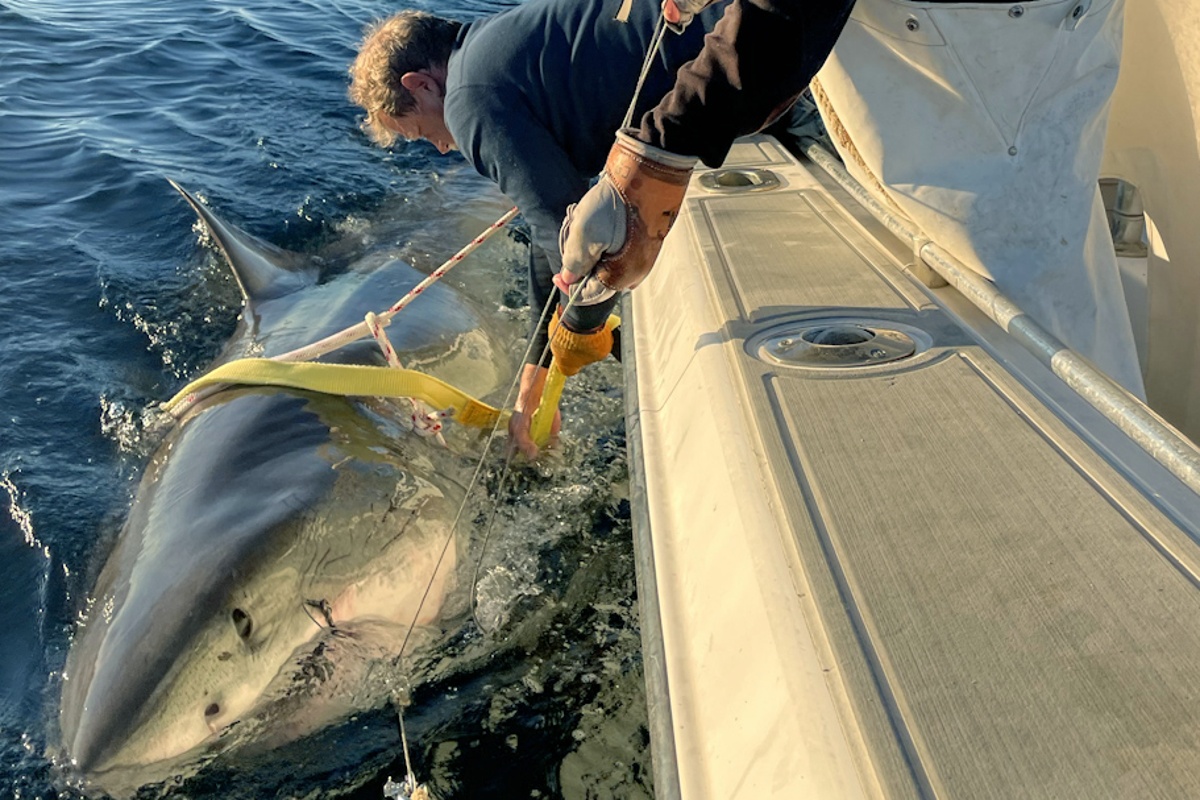
Marine tracking data recently confirmed the presence of the largest male great white shark ever recorded on the Atlantic coast, pinging just miles from major northeastern vacation beaches. While local headlines instantly weaponized the news to trigger summer tourism panic, the reality behind this massive predator’s migration reveals a profound ecological shift. This is not a random anomaly or an impending beach horror movie. It is the direct result of a decades-long conservation success story that is fundamentally altering the coastal dynamics of the Eastern Seaboard.
The public reaction followed a predictable pattern. Sensationalist media outlets broadcasted the shark's size and proximity to crowded shorelines, implying an escalating danger to swimmers. Tourism boards scrambled to downplay the tracking data, fearing an immediate hit to local economies. Yet, looking past the immediate panic exposes a much larger, more significant narrative about apex predators reclaiming their historical territory. For an alternative perspective, see: this related article.
The Conservation Ripple Effect
The presence of a record-breaking male great white shark near prime vacation destinations is the predictable outcome of two specific federal protections. Decades ago, the marine environment looked entirely different. Overfishing had decimated shark populations, while the local marine mammal numbers had plummeted to historic lows.
Two pieces of legislation changed everything. The Marine Mammal Protection Act of 1972 protected seals, while subsequent federal protections in the late 1990s prohibited the hunting of Atlantic great whites. Related coverage on this trend has been shared by NPR.
- The Prey Boom: Gray seal populations in New England exploded from near-extinction to numbers exceeding 50,000 animals on Cape Cod alone.
- The Predator Return: With a massive, highly visible food source established right off the coast, white sharks naturally adjusted their migratory patterns to hunt in shallower waters.
This is simple biology. Predators go where the food is. The sharks are not drawing closer to shore because they are targeting humans; they are operating in their ancient hunting grounds, which happen to overlap with modern real estate and resort towns.
Decoding the Tracking Data
Modern satellite tagging technology allows researchers to follow these animals in real time. Every time a tagged shark's dorsal fin breaks the surface for a sufficient duration, a satellite picks up the signal and records a location ping.
The data shows that these large mature males utilize the entire continental shelf. They travel thousands of miles annually, moving between the rich feeding grounds of the North Atlantic during the summer and the warmer waters of the Southeast and Gulf of Mexico in the winter. The record-breaking male tracked this season is simply following a highly optimized energy budget. Large sharks require massive amounts of blubber to sustain their energy levels, and mature gray seals provide the exact caloric density they need.
The Reality of Risk Management
The intersection of thousands of tourists and a dense population of apex predators creates an undeniable management challenge. Towns along the Atlantic coast can no longer rely on the outdated assumption that sharks remain safely out in the deep ocean.
Beach safety protocols have undergone a massive overhaul to adapt to this permanent shift. Lifeguards now utilize spotter planes, specialized drones, and real-time tracking apps to monitor the shoreline.
"The presence of white sharks is a sign of a healthy marine ecosystem, but it requires a fundamental shift in how beachgoers interact with the ocean."
This dynamic requires clear, unhyped communication. Spotting a shark should not cause a week of panic. It should simply mean pulling swimmers out of the water until the animal moves on, exactly how land-based parks handle bears or mountain lions.
Changing Coastal Economies
The economic impact of this shark surge is surprisingly double-edged. While the initial fear suggested that tourism numbers would drop, an entirely new micro-industry has emerged around these predators.
Shark ecotourism is booming. Charter boats that once focused exclusively on fishing now offer high-priced wildlife viewing tours. Local shops sell shark-themed merchandise, turning a source of fear into a marketing engine. The challenge for these coastal communities is maintaining a delicate balance. They must respect the danger inherent in a thriving predator population while capitalizing on the public's fascination with these animals.
Swimmers must understand that the ocean is a wild environment. Avoiding river mouths, staying away from seal colonies, and refusing to swim at dawn or dusk are basic survival steps that drastically reduce the chances of a negative encounter. The giant male shark currently cruising the Atlantic coast is a testament to the resilience of marine ecosystems when left to recover. The predator has returned, and the burden of adaptation now falls entirely on us.