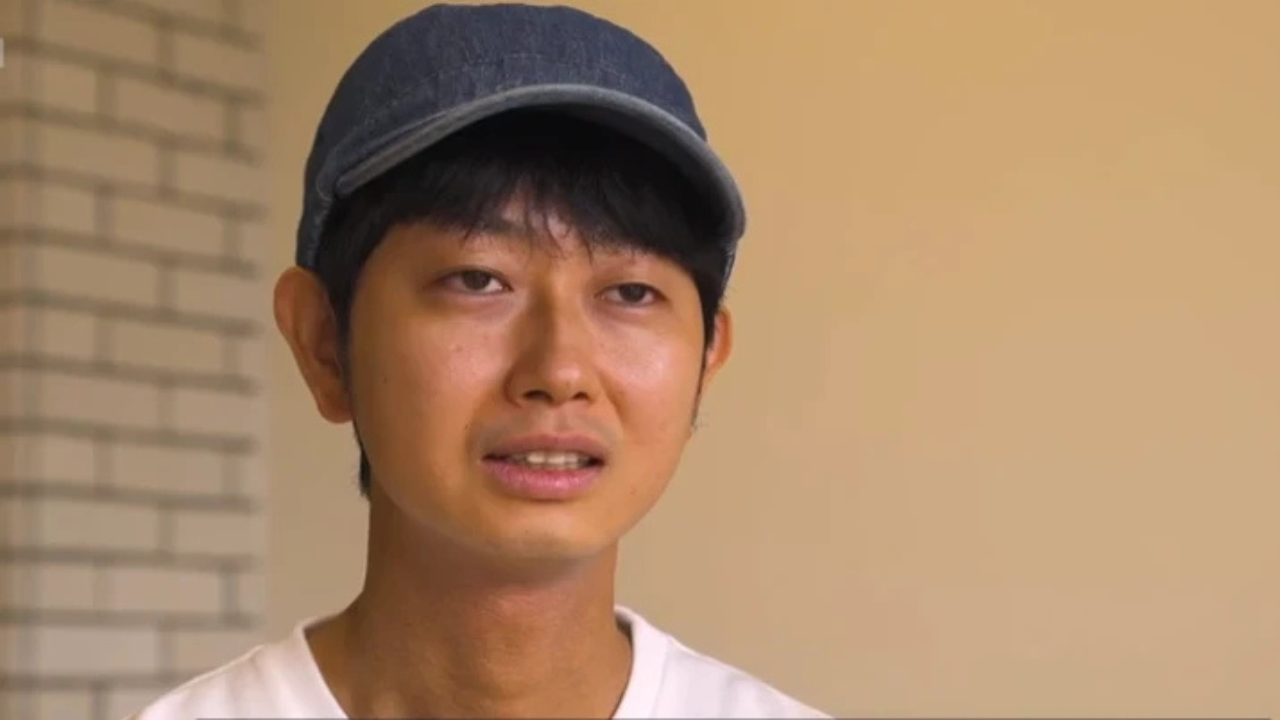
Shoji Morimoto is not a lazy man. He is a master of supply and demand.
The internet loves the story of the "Rental Do-Nothing Man" because it feeds a specific, sugary fantasy: that you can opt out of the rat race and still get paid. Media outlets frame it as a whimsical tale of human connection or a quirky Japanese oddity. They tell you he makes $80,000 a year just by showing up and breathing. They call it "paying to exist."
They are lying to you.
Morimoto isn't selling nothing. He is selling the most scarce commodity in the modern economy: unconditional, non-judgmental presence. In a world where every interaction is transactional, coached, or curated for social media, "nothing" is actually the highest-tier luxury product on the market.
If you think this is about laziness, you’ve already lost the game.
The Invisible Labor of Being Nobody
The "lazy consensus" suggests Morimoto has hacked the system by doing zero work. This ignores the psychological toll of his "inventory."
Think about the requests he takes. He sits with people while they file for divorce. He stands at the finish line of a marathon for a runner who has no friends to cheer for them. He listens to secrets that people are too ashamed to tell their spouses.
This isn't "doing nothing." It is high-stakes emotional labor. In traditional therapy, there is a clinical wall. In friendship, there is a "social debt"—if I listen to your problems for an hour, you eventually have to listen to mine. Morimoto has stripped away the social debt. He provides the benefit of a human witness without the obligation of reciprocity.
Economically, he has identified a massive inefficiency in the "Friendship Market." We have over-engineered our social lives to the point where being vulnerable with a friend feels like a burden. Morimoto is the "Spot Price" for human interaction. He represents what it costs to be seen when you have no one left to look.
Why the $80,000 Figure is a Distraction
Most reports obsess over his income. They treat it like a salary. It isn’t.
His revenue is a byproduct of radical brand differentiation. Thousands of people in Tokyo are lonely. Thousands more are "doing nothing" for free in their parents' basements. Why do people pay him? Because he has built a monopoly on "The Void."
By strictly adhering to his "do nothing" rule—refusing to perform tasks, offer advice, or engage in conversation unless prompted—he has created a predictable user experience. In business terms, he is a standardized utility. You know exactly what you are getting.
The mistake most people make when trying to copy this model is adding "value." They think, "I’ll rent myself out, but I’ll also give great advice!"
The moment you give advice, you become a consultant. You become expensive. You become judgeable. You become a person with an opinion.
Morimoto’s genius is in his total lack of ego. He has commodified the erasure of self. He is a mirror. If you try to do this and your own personality leaks into the transaction, the product is broken.
The Death of the Traditional Service Economy
We are witnessing the "Gigification of Soul."
Historically, the service economy was about tasks: mowing lawns, coding apps, delivering food. Then it moved to experiences: boutique hotels, curated tours. We are now entering the third phase: The Presence Economy.
In this phase, the task is irrelevant. The product is the proximity of another human being.
Look at the data on "loneliness epidemics" across the West and East. In 2023, the U.S. Surgeon General declared loneliness a public health crisis, citing it as being as deadly as smoking 15 cigarettes a day. When a biological need—social connection—is not met by the environment, the market will inevitably step in to fill the gap.
Morimoto is just the first "Blue Chip" stock in this new sector.
The contrarian truth? The more "connected" we become through technology, the more the price of physical, silent presence will skyrocket. If you want to future-proof your career, stop learning how to do things that AI can do better. Start learning how to sit in a room and make someone feel like they aren't alone. It sounds easy. It is actually the hardest skill to find in the 21st century.
The Myth of the "Lonely" Client
The media paints Morimoto's clients as losers or shut-ins. This is a fundamental misunderstanding of his demographic.
Many of his clients are high-functioning, successful individuals. They don't lack "friends" in the technical sense; they lack privacy. In a high-status social circle, you can never truly turn off. Your friends are also your competitors, your colleagues, or your judges. You cannot tell your "best friend" that you're thinking of quitting your job if that friend works in the same industry. You cannot tell your spouse you're feeling a deep sense of nihilism without triggering a three-hour "talk" about the relationship.
Morimoto is a "Human Proxy." He provides a safe space for the high-functioning to be dysfunctional for an hour.
This isn't a charity. It's a specialized service for the "over-connected." He is a release valve for the pressure of maintaining a persona.
The Logistics of a "Nothing" Business
If you want to disrupt your own understanding of work, look at his overhead.
- Zero Acquisition Cost: His Twitter (now X) presence handles all marketing. He doesn't run ads. He uses the power of the "Absurdist Hook."
- Infinite Scalability of Brand: While he can only be in one place at a time, his concept has been turned into books and a TV drama. He is licensing the idea of his existence.
- Low Burn Rate: He doesn't need an office. He doesn't need tools. He only needs a train ticket and a hat.
Most businesses fail because they over-complicate the "Value Proposition." They try to be everything to everyone. Morimoto is nothing to everyone. It is the leanest business model ever conceived.
The Dark Side: The Commodification of the Last Frontier
We should be terrified of Morimoto’s success.
Not because he’s a "scammer" (he isn't), but because his success marks the final surrender of the private life to the market. We have successfully commodified sleep (sleep apps), eating (food influencers), and now, simply existing in the presence of others.
When you pay someone to "do nothing" with you, you are admitting that the organic social fabric of your community has completely disintegrated. You are buying a simulated version of what should be a free human right.
But don't blame the seller. Blame the market that made the "Do-Nothing Man" a millionaire.
The "lazy consensus" says he's a sign of a decaying society. The insider truth is that he's the most honest businessman in Japan. He’s not pretending to care. He’s not pretending to be your friend. He is charging you for exactly what he provides: a physical body in a chair.
If you’re waiting for the world to return to a time when people just "hung out" for free, you’re going to be waiting a long time. The "Hang Out" is dead. Long live the "Rental Presence."
Stop looking for "side hustles" that require you to learn new software or trade crypto.
The biggest gap in the market is the hole where a person used to be.
Go sit in it.
Charge $250 an hour.
Don't say a word.