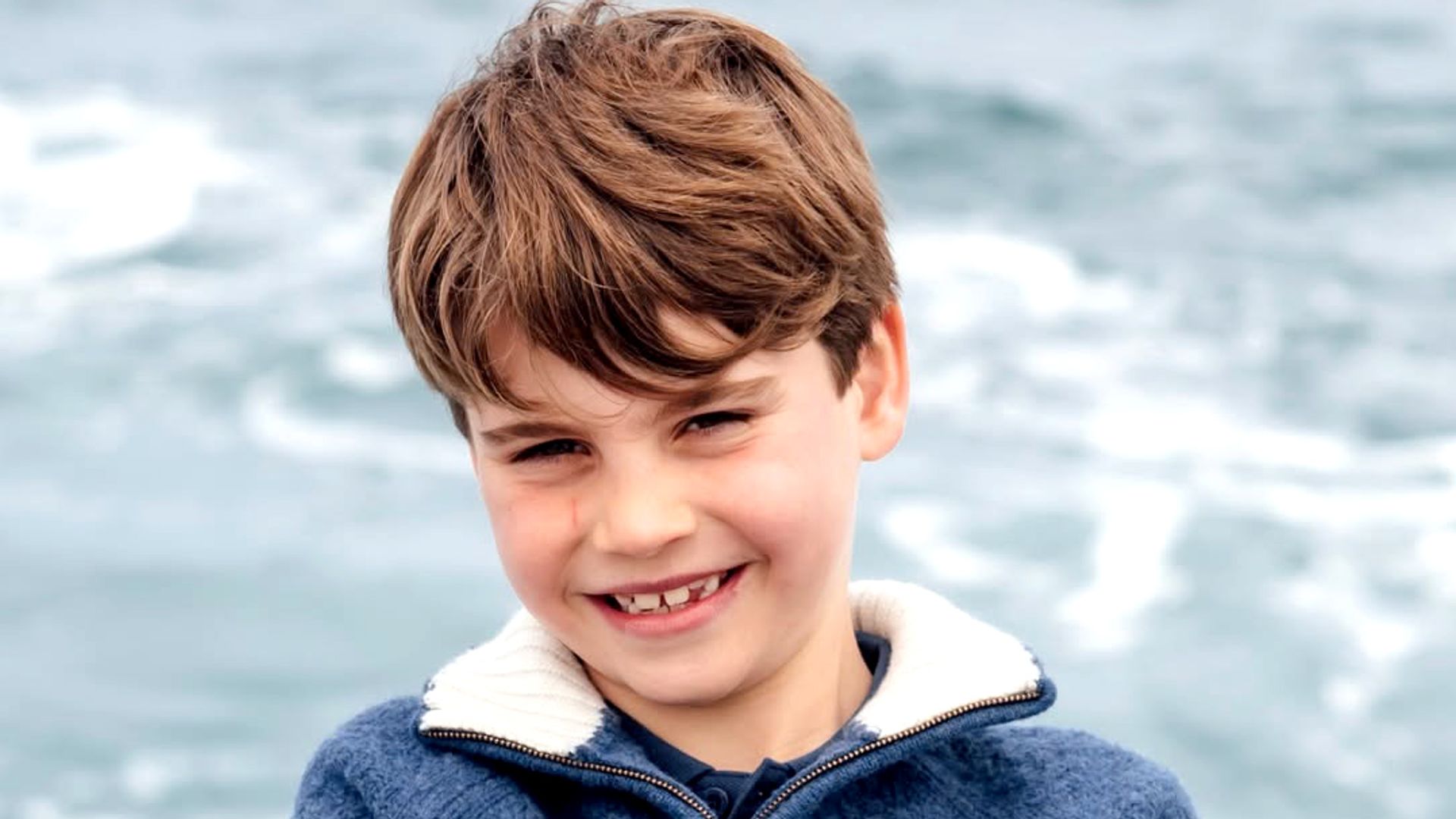
Stop cooing over the digital grain and the staged "candid" smiles.
Every year, the press cycle repeats a tired ritual: a royal birthday arrives, a grainy photograph is released, and the public swoons over the perceived "normality" of the Prince and Princess of Wales. The consensus is that these snapshots represent a modern, relatable monarchy. That consensus is wrong.
What you are actually witnessing is a sophisticated masterclass in brand protection that prioritizes curated privacy over actual transparency. The "amateur" aesthetic isn't a hobby; it’s a strategic shield.
The Weaponization of the Amateur Lens
The media treats Catherine’s role as the family photographer as a sweet, motherly quirk. It isn’t. It is a calculated move to cut out the middleman. By producing their own imagery, the Wales family has effectively neutralized the traditional paparazzi and the professional royal rota.
While that sounds like a win for family privacy, it creates a dangerous vacuum of accountability. When a professional photographer captures a royal, there is an objective distance. When the mother is the photographer, the image becomes a piece of propaganda. You aren't seeing Prince Louis; you are seeing the version of Prince Louis that the Crown needs you to see to ensure the institution survives another generation.
The charm of the blurry, outdoor shot is the bait. The hook is the total control over the narrative. We’ve moved from "The Firm" to "The Boutique Agency," and the public is buying the rebrand without checking the price tag.
The Relatability Trap
The most common defense of these birthday releases is that they make the royals "just like us." This is a logical fallacy. A family that lives in a literal palace, travels by helicopter, and holds titles by divine right or bloodline is not, and can never be, "just like us."
By leaning into the "normality" of a birthday post, the monarchy performs a sleight of hand. They want the benefits of being celebrities (the affection, the social media engagement) without the scrutiny of being state officials.
- The Myth: Amateur photos equal authenticity.
- The Reality: Amateur photos provide a convenient excuse for inconsistencies or "editing errors" that would be career-ending for a professional photojournalist.
Remember the Mother’s Day photo debacle? That wasn't an isolated mistake; it was a symptom of an institution trying to play by the rules of Instagram influencers while holding the keys to a thousand-year-old throne. You cannot be both a mystical symbol of national unity and a suburban mom with a Lightroom subscription. The two identities are mutually exclusive.
The Birthday Industrial Complex
We need to talk about the data. Royal birthdays aren't just milestones; they are engagement spikes.
| Metric | Professional Rota Photo (Pre-2015) | "Candid" Family Photo (Post-2015) |
|---|---|---|
| Public Sentiment | Formal/Distant | Warm/Protective |
| Social Media Velocity | Low | Viral |
| Narrative Control | Split (Press/Palace) | Total (Palace) |
| Media Spend | High (Staged Shoots) | Zero (In-house) |
The shift to in-house content is a brilliant business move. It drives traffic directly to their social channels, bypassing traditional news outlets that might ask uncomfortable questions about funding or reform. Every "like" on a photo of Prince Louis is a micro-vote for the status quo.
The public isn't celebrating a child’s growth; they are participating in a focus-grouped PR campaign designed to soften the image of an aging institution. If the monarchy were truly modern, they wouldn't need to use a child’s birthday to bolster their approval ratings.
The Cost of the "Private" Public Life
There is a psychological toll to this strategy that nobody wants to admit. By inviting the public into these "private" moments—birthdays, first days of school, garden play—the Waleses are actually blurring the boundaries further.
If you give the public a seat at the birthday table, the public eventually feels entitled to a seat in the hospital room or the private office. You cannot demand total privacy after you’ve used your children as the primary tools for your public relations strategy.
The "lazy consensus" says this is the only way for the royals to survive in the digital age. I argue it’s the way they lose their soul. Once the monarchy becomes just another feed to scroll past between a cooking video and a gym selfie, the "magic" of the Crown is gone. You’ve traded majesty for "likes," and that is a declining currency.
Stop Asking if the Photo is "Cute"
The question isn't whether Prince Louis looks happy. Of course he does; he’s a child. The question we should be asking is: why do we require this performance?
We are obsessed with the "normality" of the royals because we are afraid to confront the absurdity of the institution in 2026. If we can convince ourselves they are just a nice family with a camera, we don't have to think about the systemic inequality they represent. The birthday photo is a sedative. It’s a way to keep the public dreaming of fairy tales while the world outside the palace gates moves on.
The Wales family hasn't modernized the monarchy; they’ve just learned how to use the filters better than their predecessors.
The next time a birthday photo drops, don’t look at the kid. Look at the framing. Look at what is being hidden by the very act of "sharing." The most powerful things the royals do aren't the ones they post on Instagram.
Stop being a consumer of the brand and start being a citizen of the reality. The monarchy isn't your "relatable" neighbor. It’s a global corporation, and that birthday photo is just the latest quarterly report designed to keep the shareholders from revolting.