The scent of lavender oil and cheap disinfectant is usually meant to soothe. In the small, brightly lit confines of a Hong Kong beauty salon, it creates a sanctuary of superficial trust. You lie back, eyes closed, completely vulnerable, while a beautician applies cold gel to your skin or shapes your lashes. You talk about your rent. You talk about how hard it is to make ends meet in a city that swallows paychecks whole. The woman working on you listens. She nods. She understands.
Then, she offers you a way out.
It starts as a casual whisper between treatments. A side hustle. A quick trip to Southeast Asia. Free flights, comfortable accommodation, and a massive payout just for transporting some cash—48 million Thai baht, she claims. It sounds like an adventure. It sounds like a lifeline.
But the line has a hook.
The Geography of Disappearance
Consider the quiet transition from a pristine salon chair in Hong Kong to a heavily armed compound in the dense jungle of Myanmar. It happens in stages so subtle that the victims do not realize they are trapped until the air around them turns violent.
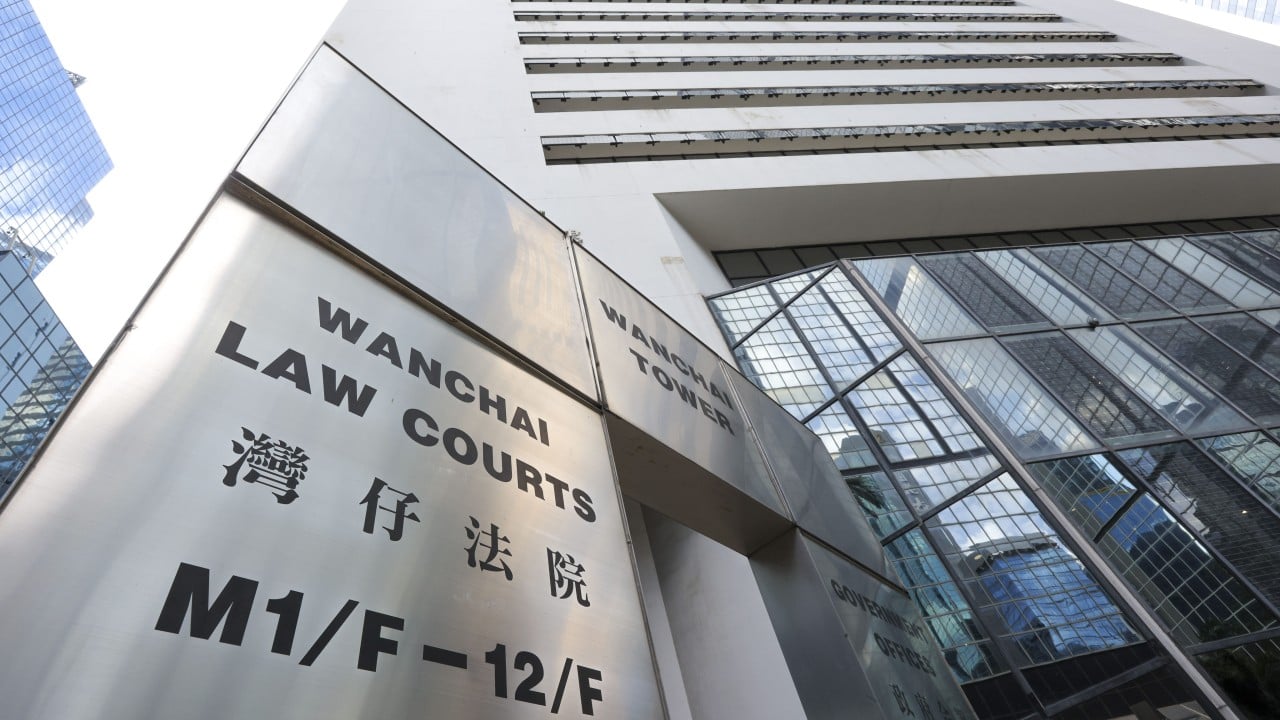
A 32-year-old beautician stands in a Hong Kong court, bowing her head as she pleads guilty to conspiring to defraud. The legal terminology is cold and rigid. It strips away the sweat, the terror, and the absolute betrayal inherent in the crime. She was not just a cog in a machine; she was the smiling face that lowered the guard of two ordinary women, delivering them directly into the hands of a human trafficking syndicate.
The promise was simple: a free luxury trip and a financial reward. The reality was an auction block. Upon landing, the illusion of a vacation shattered instantly. The women were not guests; they were cargo. They were stripped of their passports and sold directly to a cyber-scam factory in Myanmar.
This is where the narrative of modern crime shifts. We often think of human trafficking as a tragedy that happens in the shadows to the completely destitute. We rarely imagine it beginning with a friendly conversation during a skincare routine. The syndicate weaponized intimacy. They used a local woman, someone who shared their language, their culture, and their daily struggles, to act as the ultimate bait.
Inside the Factory Walls
The destination for these women was not an office building or a legitimate business center. It was a fortified compound, a digital sweatshop where human beings are forced under threat of torture to run online scams.
Imagine the psychological whiplash. One day you are planning how to spend your reward money back home in Hong Kong; the next, you are handed a bank of smartphones and a script designed to ruin lives. If you refuse to work, you are beaten. If you try to run, there are guards with assault rifles at the perimeter. The compound operates on a simple, brutal equation: your survival is entirely dependent on your ability to steal from strangers over the internet.
The two victims in this case eventually made it back to Hong Kong, rescued after a specialized task force intervened in Thailand to pull stranded residents from the border zones. They survived. But survival is a complicated word. The physical rescue is immediate, but the psychological reclamation takes years. Every time they look at a phone, every time someone offers them an unexpected kindness, the phantom walls of that Myanmar compound will close in.
The real horror of the modern scam industry is its reliance on everyday economic desperation. The syndicate did not need to kidnap anyone from a dark alley. They simply looked for people drowning in the high cost of living and threw them a concrete life preserver.
The Ledger of Betrayal
The beautician now faces the stark reality of a prison sentence, her own life derailed by the very syndicate she served. In the grand ledger of transnational crime, she was entirely disposable—a recruiter easily replaced the moment the police knocked on her door. She traded the safety of two compatriots for a commission, operating under the tragic delusion that she was a player in the game rather than another piece on the board.
The court proceedings will conclude. The headlines will fade. The standard news articles will archive the event under a string of legal definitions and sentencing statistics.
But the true cost remains unwritten in the court files. It is found in the lingering paranoia of the survivors. It lives in the realization that the most dangerous traps are not set by monsters in disguise, but by the people we trust to take care of us on an ordinary Tuesday afternoon.