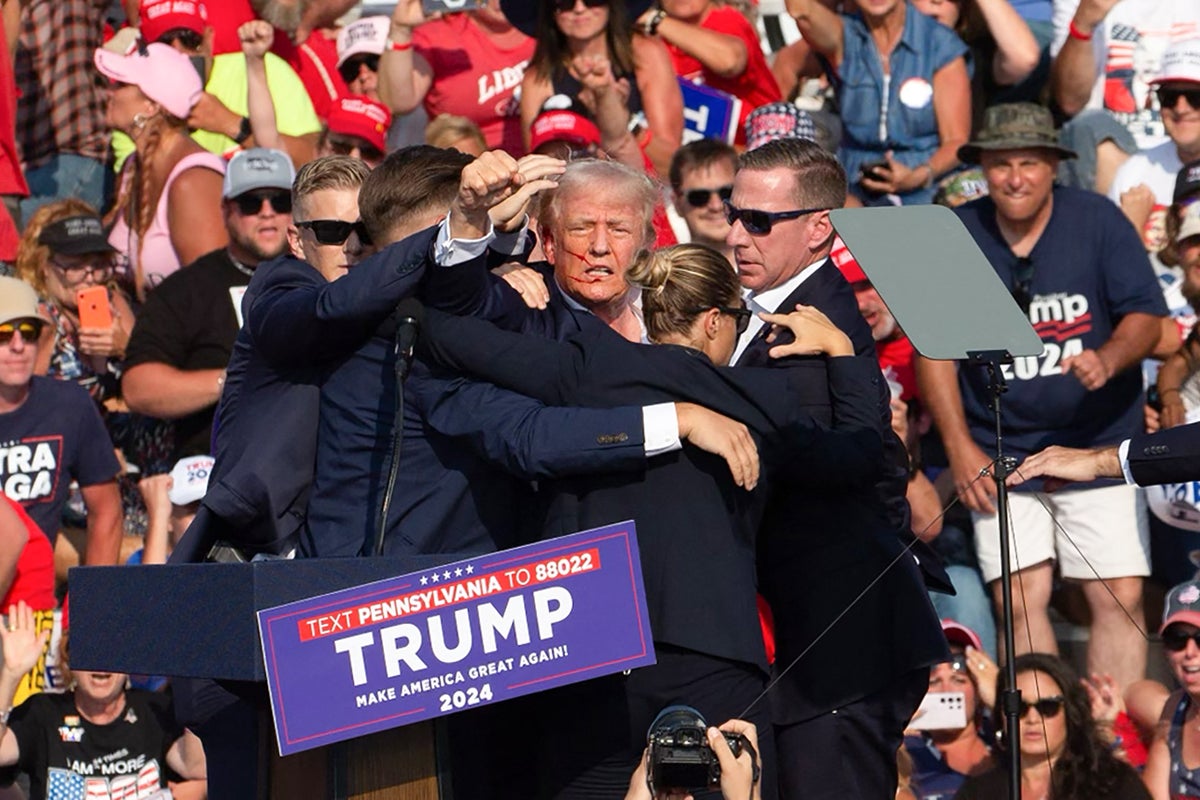
When a high-profile politician survives a shooting or a motorcade bombing, the immediate focus is on national security and the 24-hour news cycle. But while the public watches the slow-motion replays, a very different reaction happens in the boardrooms of London and Zurich. For the insurance industry, political violence isn't just a tragedy or a historical footnote. It’s a massive, quantifiable risk that carries a high price tag.
You might think that an assassination attempt is too rare or too "black swan" to be a reliable business model. You'd be wrong. In reality, these events trigger clauses in multi-million dollar contracts that most people never see. We’re talking about Political Risk Insurance (PRI) and Terrorism and Political Violence (PV) coverage. When the bullets fly, the premiums soar.
The Business of Instability
Insurance companies aren't rooting for chaos. They're math nerds who hate surprises. However, they're also masters at pricing fear. Following a major political attack, the perceived risk of doing business in that country spikes instantly. This allows underwriters to reset their rates for everyone from multinational corporations to local manufacturers.
If you're a CEO running a factory in a country where the leader just narrowly escaped a coup or an assassination, your board is going to demand better protection. You'll call your broker. Your broker will call Lloyd’s of London. Suddenly, that "Political Violence" rider that cost $50,000 last year is now $150,000. The risk hasn't necessarily changed in a physical sense, but the market's appetite for that risk has vanished.
The industry calls this "re-rating." It’s a polite way of saying they’re hiking the price because the world feels scarier today than it did yesterday.
Why Assassination Attempts Trigger Specific Payouts
It isn't just about the person in the crosshairs. It’s about what happens to the economy when the person in the crosshairs falls. Most modern political risk policies cover more than just property damage. They cover "Business Interruption" and "Loss of Attraction."
If a political figure is targeted at a major rally or a public square, that entire district might get locked down for weeks. Shops close. Tourists cancel flights. Investors pull capital. For a massive insurance conglomerate, this is where the complexity starts.
- Property Damage: This is the easy part. A bomb goes off, a window breaks, the insurer pays for the glass.
- Business Interruption (BI): If the government declares a state of emergency and closes your business for ten days, who pays for your lost revenue? If you have the right PV policy, the insurer does.
- Contingent Business Interruption: This is the kicker. Your factory is fine, but the assassination attempt happened at the main port, and now your raw materials are stuck. You’re losing money because of a political event miles away.
Insurers win here because they've spent decades fine-tuning these contracts. They know exactly how to exclude the "un-priceable" stuff while charging a premium for the "unlikely but possible" stuff.
The Hidden Market for K&R and Personal Accident
While the company pays for the factory, the individuals pay for their lives. The market for Kidnap and Ransom (K&R) and high-limit Personal Accident insurance grows every time a headline mentions a political threat.
In 2026, we’re seeing a shift toward "Personal Security Details" being included as part of insurance packages for executives and high-net-worth individuals. If political instability rises, the demand for these "active shooter" or "political evacuation" add-ons goes through the roof.
It’s a cynical cycle. A politician gets targeted, the threat level is raised by intelligence agencies, and insurers send out "renew now" notices to their clients at a higher rate. It’s not a conspiracy. It’s just how actuarial tables react to reality.
Understanding the Difference Between Terrorism and War Coverage
One big mistake people make is thinking all violence is covered under one umbrella. It’s not. Insurance brokers distinguish between "Terrorism," "Sedition," "Insurrection," and "Civil War."
An assassination attempt by a lone wolf is usually categorized as terrorism. But if that attempt leads to a week of rioting and the burning of city blocks, the legal definitions start to blur. Insurers have teams of lawyers dedicated to proving that a fire was caused by "civil commotion" (which might be covered) rather than "war" (which is often excluded).
This distinction is where the real money is made or lost. By narrowing the definition of what constitutes a "political event," insurers can collect premiums from thousands of businesses while only paying out to a handful that fit the strict criteria.
The Data Driving the Rates
How do they even price the chance of someone shooting at a president? They don't guess. They use predictive modeling based on historical data, social media sentiment analysis, and economic indicators.
When income inequality hits a certain threshold or inflation stays above 10% for too long, the "Assassination Risk" variable in their software ticks upward. They see the violence coming long before the first shot is fired. They aren't psychics. They're just looking at the same data the CIA looks at, but with the goal of protecting a balance sheet rather than a border.
How to Protect Your Own Interests
If you’re running a business—or even just managing a portfolio—you need to look at your coverage differently. Don't wait for a "breaking news" banner to wonder if you're protected.
- Check your "Force Majeure" clauses: Make sure political violence is explicitly mentioned.
- Audit your Business Interruption limits: Most people under-insure here. If a city-wide strike follows an attack, ten days of coverage won't save you.
- Diversify your physical assets: If all your warehouses are in one high-risk political zone, you’re gambling, not investing.
- Demand transparency on "Loss of Attraction": If your business relies on foot traffic, you need to know if your policy pays out when people are simply too scared to come outside, even if your building is untouched.
Political violence is a tragedy for the people involved and a disruption for the state. For the insurance world, it’s a data point that justifies the next round of rate increases. It’s cold. It’s calculating. And honestly, it’s one of the most profitable corners of the financial world because, as long as humans are in power, the risk never goes to zero.
The next time you see a major political security breach, don't just look at the polls. Look at the stock prices of the major reinsurers. That’s where the real story of the aftermath is written. You don't have to like it, but you'd be smart to understand how it works before you're the one paying the higher premium.