A diplomatic passport doesn't make someone a spy, and leaving Britain on a government-arranged flight doesn't automatically mean a shadowy intelligence extraction just took place. Yet whenever headlines scream about a US embassy worker flown out of the UK before police questioning, public imagination races straight toward spy thrillers and cover-ups.
The reality is both simpler and far more frustrating for ordinary citizens caught in the crossfire. When an American diplomatic employee or dependent gets involved in a serious incident on British soil—most infamously fatal road collisions—the legal machinery of the 1961 Vienna Convention on Diplomatic Relations kicks into gear almost instantly. That treaty gives sending nations the power to pull their people out before local detectives ever get a formal interview on the record. For an alternative look, read: this related article.
Let's strip away the cable-news noise and look at what actually happens behind closed doors when Washington pulls an embassy employee out of London before British police can ask a single question.
How Diplomatic Immunity Actually Works on British Roads
Most people assume diplomatic immunity is a blanket license to break the law without consequences. That's completely false. Under the Vienna Convention on Diplomatic Relations, diplomats are explicitly required to respect the laws and regulations of the host country. Similar reporting on the subject has been provided by USA Today.
Immunity isn't a personal shield designed to protect bad drivers or reckless behavior. It exists so foreign governments can't harass, detain, or trump up fake charges against embassy staff during political disputes. Think of it as an institutional guardrail rather than a personal get-out-of-jail-free card.
Here is where the friction happens in the UK. When a US embassy employee—or a registered family member—is involved in a police investigation, local officers from forces like the Metropolitan Police or Northamptonshire Police can't simply slap on handcuffs or haul the person into an interrogation room. Under Article 29 of the Vienna Convention, a diplomatic agent is inviolable. They cannot be arrested or detained in any form.
Before British detectives can conduct a formal interview under caution, the UK Foreign, Commonwealth and Development Office (FCDO) has to formally ask the US Embassy to waive that immunity. And while Washington sits on that request, the clock is ticking.
Why Washington Puts Staff on a Plane Before Questioning
If you've ever worked around foreign service protocols or international legal disputes, you know the first instinct of any major embassy during a crisis is risk containment. Once local police notify the FCDO that an American official is under investigation, diplomatic security officers at the US Embassy in Nine Elms immediately assess exposure.
From Washington's perspective, leaving an employee in the UK without immunity exposes them to local criminal prosecution, pretrial detention, and intense British tabloid pressure. So instead of waiting weeks for lawyers to debate jurisdiction, the State Department frequently exercises its standard protocol—putting the employee on a flight back to the United States while immunity still technically applies.
It looks terrible to the British public. Honestly, it feels like a slap in the face to victims and their families.
The most notorious example remains the 2019 death of 19-year-old Harry Dunn outside RAF Croughton in Northamptonshire. Anne Sacoolas, the wife of a US intelligence officer stationed at the base, drove on the wrong side of the road and struck Dunn's motorcycle. Despite initially cooperating with police at the scene, she was flown out of the UK on a US government aircraft roughly three weeks later after Washington asserted diplomatic immunity on her behalf.
That single case exposed a massive loophole in a 1995 bilateral agreement between the US and UK governments. Under that arrangement, administrative and technical staff at certain intelligence-linked bases had their immunity pre-waived for criminal acts committed outside official duties—yet their spouses and dependents accidentally retained full immunity due to how the paperwork was drafted.
The Difference Between Full Diplomats and Embassy Support Staff
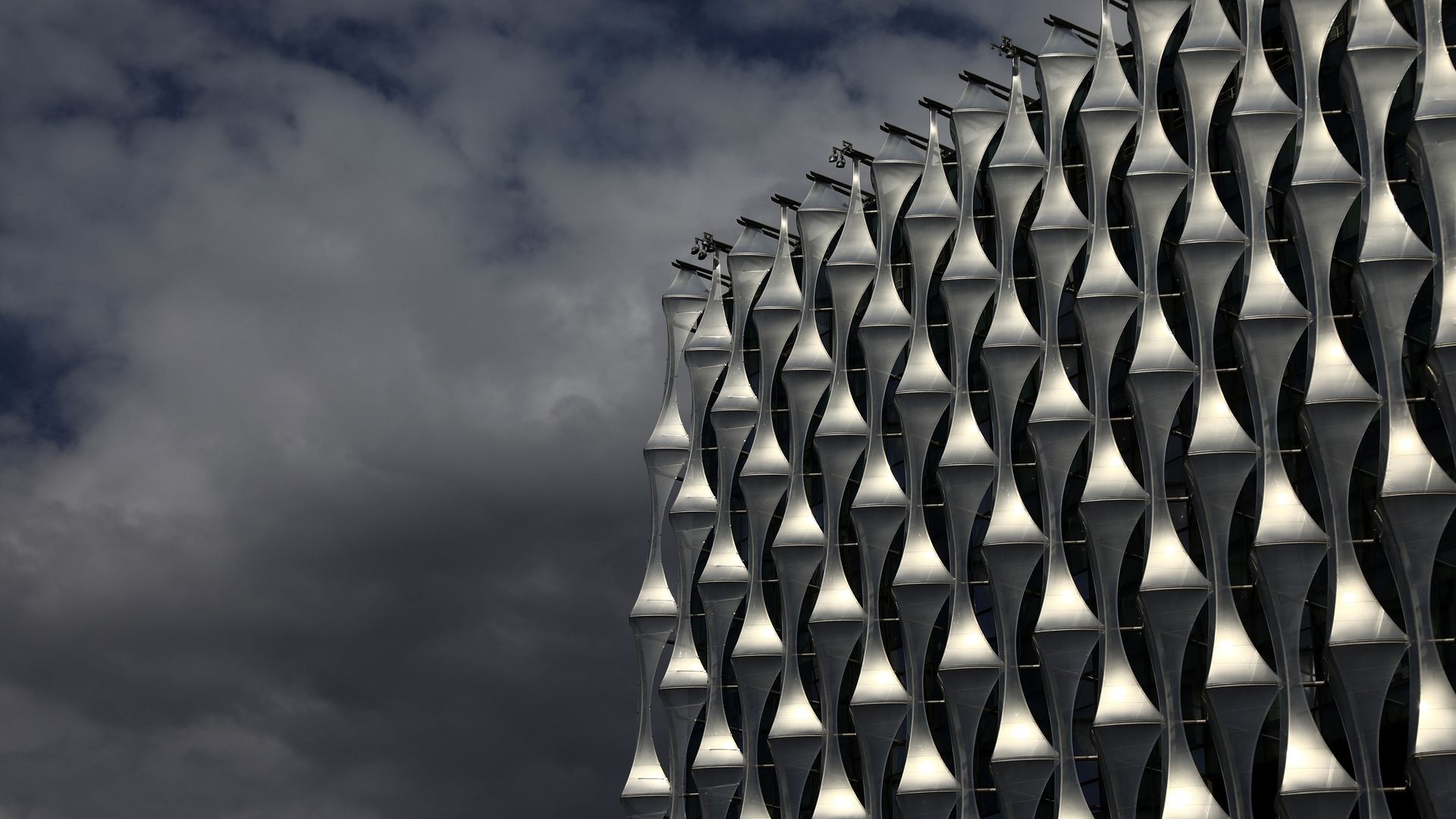
Not everyone working inside the massive glass cube of the US Embassy in London carries the same legal protection. Media reports often lump every American government worker together under the "diplomat" label, which muddies the waters badly.
Under international law, embassy personnel fall into distinct tiers:
- Diplomatic agents (ambassadors, political officers, attachés) hold full criminal and civil immunity around the clock, whether they are on duty or driving home from a pub on a Saturday night.
- Administrative and technical staff (IT specialists, security guards, clerical workers) hold full criminal immunity under the standard Vienna Convention, though their civil immunity only covers acts performed during official duties.
- Service staff (drivers, maintenance crews, domestic workers) only have immunity for actions directly tied to their official jobs.
- Local hires (British citizens employed by the US Embassy) have zero diplomatic immunity and face British courts just like anyone else.
When a news report mentions a US embassy worker flown out of the UK before police questioning, the exact job title matters enormously. If the individual belongs to the administrative or technical tier—or is an intelligence officer operating under diplomatic cover—their protection is ironclad unless Washington voluntarily signs it away.
What Happens After the Plane Lands in the United States
A common misconception is that flying back to America ends the investigation permanently. It doesn't. Leaving the UK removes the suspect from immediate British physical custody, but it triggers a long, grinding diplomatic standoff between London and Washington.
First, British police complete their forensic investigation without the suspect's statement. Accident reconstruction teams, CCTV analysts, and witness interviewers build a full file and hand it to the Crown Prosecution Service (CPS). If the CPS decides there is enough evidence to charge the individual—for instance, with causing death by careless driving or actual bodily harm—they formally issue charges even if the person is sitting in Virginia or Maryland.
Second, the UK Home Office can submit an extradition request under the 2003 US-UK Extradition Treaty. Washington almost always rejects extradition when diplomatic immunity was active at the time of the offense, arguing that sending the worker back would undermine global diplomatic norms and put American diplomats in hostile countries at risk.
Still, the pressure doesn't evaporate. In the Harry Dunn case, relentless campaigning by Dunn's family and diplomatic friction between Downing Street and the White House eventually forced a compromise. In December 2022, Anne Sacoolas appeared via video link before a judge at the Old Bailey in London, pleaded guilty to causing death by careless driving, and received an eight-month suspended prison sentence.
She never stepped foot back on British soil to serve time, which left deep bitterness in the UK, yet it broke a three-year legal stalemate that experts initially said would never move.
How the UK and US Quietly Rewrote the Rules
Following the diplomatic fallout over flights leaving RAF Croughton and London, both governments faced fierce criticism from Parliament and legal scholars. Nobody in Westminster wanted a repeat of a suspect vanishing onto a military transport plane before detectives could ask basic questions.
In July 2020, the UK Foreign Office announced that the anomaly covering US personnel and their families at RAF Croughton had finally been closed. Under the updated exchange of notes between London and Washington, family members of US staff at the base no longer enjoy immunity from criminal prosecution in the UK.
That fix only applies to that specific annex, though. Across the main US Embassy in London and other consular posts, standard Vienna Convention rules haven't budged an inch. Neither the United States nor the United Kingdom wants to weaken core diplomatic immunity worldwide because both nations deploy thousands of diplomats to countries with unstable or weaponized court systems.
If Washington waives immunity easily in London, authoritarian governments in Moscow, Beijing, or Tehran will immediately demand the exact same treatment when an American diplomat gets caught in a fabricated traffic incident or trumped-up local dispute. That geopolitical reality explains why the State Department protects its extraction protocols so fiercely, even when dealing with its closest ally.
Why British Police Still Struggle With Embassy Cases
Even when an embassy worker hasn't boarded a flight yet, British detectives operate with one hand tied behind their backs. Standard policing tools simply don't work when diplomatic status enters the picture.
Officers at the scene of an incident must verify diplomatic credentials through the FCDO's Diplomatic Missions and International Organisations Unit before taking coercive action. They cannot compel a breathalyzer test at the roadside if the driver claims diplomatic inviolability, though they can record visual observations of impairment and gather witness statements.
Worse yet, the delay between an incident occurring and the FCDO formally requesting a waiver from the US Embassy often stretches across several days. That window gives embassy lawyers and State Department officials plenty of time to book commercial or military transport out of Heathrow or RAF Mildenhall. By the time a formal waiver request hits the ambassador's desk, the person in question is often already in the air over the Atlantic.
What to Watch When These Headlines Break
Next time you see breaking news about a US embassy worker flown out of the UK before police questioning, ignore the knee-jerk speculation and look closely at three concrete details in the reporting:
- Check the official accreditation status. Look for whether the FCDO confirms the person was on the "London Diplomatic List" or attached to a military/intelligence annex, as that determines whether immunity was automatic or debatable.
- Track the Crown Prosecution Service timeline. Watch for whether the CPS authorizes criminal charges in absentia—a clear signal that British prosecutors believe they have an airtight case regardless of the suspect's flight.
- Look for FCDO waiver statements. Pay attention to whether the Foreign Secretary publicly states that an immunity waiver was requested and denied, which marks the exact moment a routine police matter turns into an official diplomatic dispute.
Understanding those three markers tells you immediately whether a case will quietly stall in State Department legal offices or escalate into a high-stakes showdown between London and Washington.