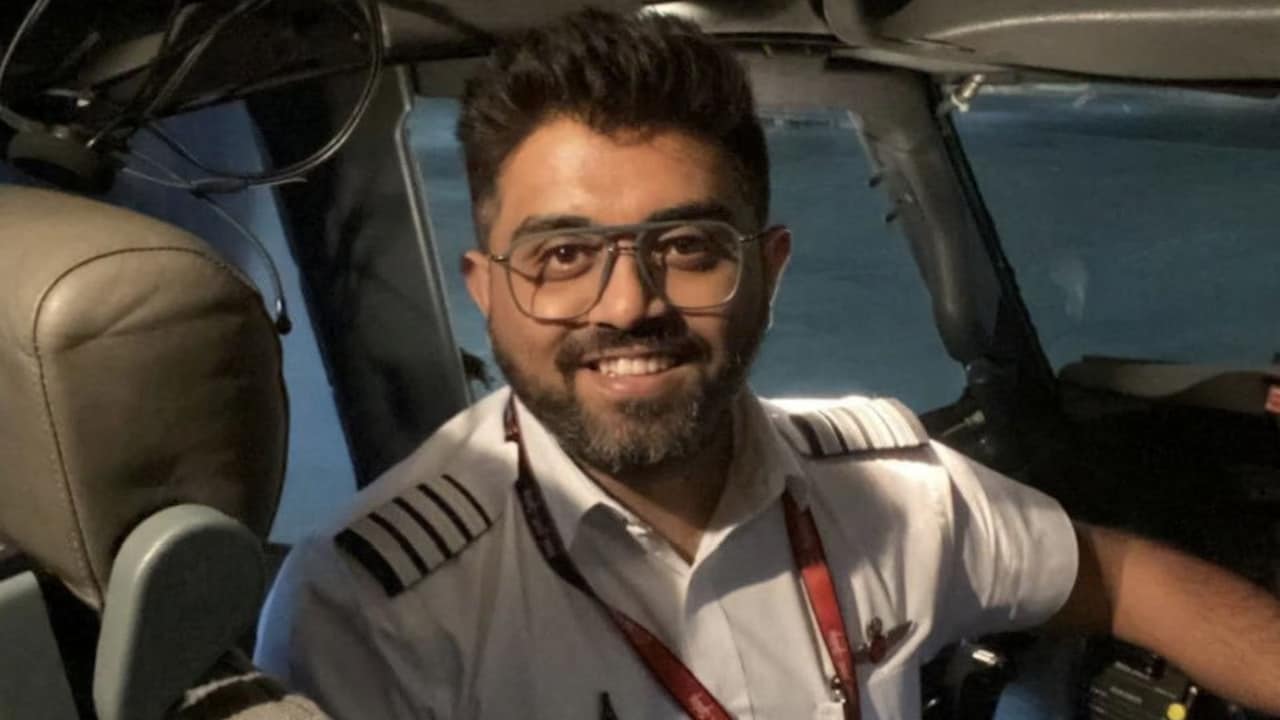
A commercial flight shouldn't become a battlefield. Yet, mid-air over the Middle East, that's precisely what happened when a routine route transformed into a violent struggle for survival. Israeli officials didn't hesitate to label the incident an attempted jihadist terror attack, setting off a fierce international scramble for custody, security reviews, and accountability.
If you've only caught the headlines, you probably missed the deeper systemic failures that allowed the cockpit breach to happen in the first place. Let's unpack what actually went down, why Israel wants custody so badly, and what this means for international aviation safety moving forward. Learn more on a connected issue: this related article.
The Anatomy of a Mid-Air Crisis
The incident onboard flydubai Flight 1073 upended assumptions about commercial cockpit security. According to investigations and statements from regional officials, the co-pilot—identified as an Omani national—turned on the flight crew, using an emergency axe in a desperate attempt to disable the captain and plunge the aircraft.
Quick-thinking passengers and crew members, including the injured captain, managed to overpower the attacker before catastrophe struck. The plane diverted safely, but the geopolitical fallout began immediately. Israeli Prime Minister Benjamin Netanyahu and other senior officials rushed to categorize the event not as a random mental health crisis, but as a targeted ideological attack aimed at maximizing casualties and dealing a blow to regional normalization agreements. More reporting by BBC News highlights related views on this issue.
Why Israel is Pursuing Extradition
You might wonder why Israel is pushing so hard for legal action and interrogation access over an attack that occurred on a flight operated by a Gulf carrier. The motivation boils down to intelligence and deterrence.
Israeli leadership, alongside security agencies like the Mossad and Shin Bet, wants to trace every digital footprint, communication, and potential handler behind the co-pilot's radicalization. Reports surfaced indicating that the attacker had previously been flagged or moved to desk duties by Oman Air over extremist concerns before slipping through vetting processes at flydubai.
When a plot targets an aircraft bound for Tel Aviv, Jerusalem views it as a direct act of cross-border terrorism. Extradition demands and intensive interrogation requests are designed to answer an uncomfortable question: Was this a lone actor, or part of a wider state-sponsored network? While U.S. and regional officials have debated potential foreign links, Israel wants direct legal leverage to ensure anyone who helped orchestrate the plot faces consequences.
The Blind Spots in Commercial Aviation Vetting
The most alarming takeaway isn't just the violence in the cockpit; it's how easily the suspect bounced between regional airlines. Background checks in commercial aviation often screen for criminal records while completely missing digital radicalization or ideological shifts.
When an employee gets quietly reassigned to an office job due to extremist red flags, that critical data doesn't always travel across corporate or international borders. Aviation authorities are now scrambling to tighten screening protocols, but the reality remains sobering. Fixing cross-border intelligence sharing requires trust between nations that don't always see eye to eye.
Expect airlines to face mounting pressure to overhaul how they vet flight decks. If the industry wants to restore passenger confidence, ignoring the gaps in pilot background checks is no longer an option.