When the Federal Communications Commission quietly signed off on a massive foreign ownership stake in September 2026, it didn't just clear a corporate transaction. It rewrote the playbook on how overseas sovereign wealth enters American media.
Most headlines focused solely on the sheer scale of the money. Saudi Arabia's Public Investment Fund, Qatar Investment Authority, and an Abu Dhabi fund are lining up to control nearly half of Paramount's equity once its merger with Warner Bros. Discovery goes through. But the real story isn't the cash injection. It's how the regulatory framework bent to accommodate it, bypassing statutory limits while leaving critics screaming about foreign influence.
If you're trying to make sense of what this means for Hollywood, antitrust battles, and the future of domestic broadcasting, let's strip away the corporate PR and look at how this deal actually works.
The 49.5 Percent Reality Check
Federal statute has long drawn a hard line in the sand. Direct or indirect foreign ownership of U.S. broadcast and media companies holding FCC licenses is legally capped at 25 percent. That rule exists for a reason: lawmakers wanted to ensure that foreign governments couldn't buy up the airwaves shaping American civic discourse.
So how did Paramount bypass this barrier? By slicing the equity structure down the middle.
The Gulf sovereign wealth funds are grabbing non-voting Class B shares. According to the FCC's Media Bureau, these investors won't hold governance rights, won't sit on the board, and won't have access to non-public information about U.S. citizens. Control of the combined entity—and 100 percent of the voting power—stays anchored with the Ellison family and RedBird Capital Partners.
It's a clever legal workaround. On paper, foreign capitals provide the heavy financial lifting while local management pulls every single operational lever.
Why the Dissent Was So Sharp
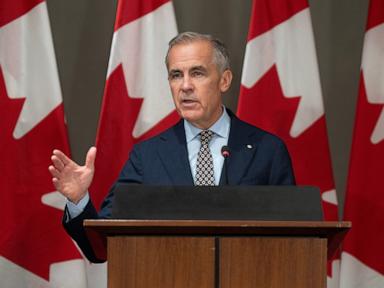
Regulatory approvals of this magnitude rarely pass unanimously, and this one sparked immediate friction. Anna Gomez, the lone Democratic commissioner on the FCC, didn't mince words when the order dropped. She warned that an equity stake this massive doesn't just sit quietly in a bank account. It buys indirect leverage over cultural output, institutional priorities, and what stories get told on a global stage.
Critics point out a glaring contradiction. An administration that frequently beats the drum of economic nationalism and protectionism just greenlit a multi-billion-dollar stake for Middle Eastern royal funds into an iconic American media empire.
Yet, defenders of the decision argue pragmatism won out. Traditional media companies are drowning in legacy debt and streaming wars attrition. Turning down billions in private equity capital in 2026 means watching traditional studios get swallowed whole by Silicon Valley tech giants or private equity vultures with even fewer public accountability measures.
The Real Hurdle Is Still Ahead
Before anyone starts printing new corporate letterheads, remember that the FCC waiver is only one battle in a much longer war.
The actual merger remains locked in limbo. A coalition of twelve state attorneys general—led by California—alongside the Writers Guild of America, filed a major antitrust lawsuit to block the transaction entirely. That trial is scheduled to kick off on March 2, 2027.
State regulators aren't worried about foreign broadcast thresholds. They're looking at market consolidation, job losses across production lots, and whether combining these two giants creates an anti-competitive monopoly that hurts consumers and creators alike.
What Happens Next
The FCC's ruling proves that regulatory hurdles are flexible when billions of dollars are on the line and creative structuring satisfies the letter of the law.
Keep your eyes on the courts this winter. While the federal government is content to let foreign capital fund the next era of Hollywood, state-level antitrust enforcers are sharpening their knives. The money might be approved, but the marriage is far from consummated.