Zip ties and headphone cords. That’s what stood between 180 people and a Boeing 737 MAX 8 slamming into the ground at 600 mph.
Most coverage of the September 30, 2026 incident on flydubai Flight 1073 treats the story like a thriller script: a co-pilot turns on his captain mid-flight, the jet plummets 17,000 feet in less than a minute, fighter jets scramble, and strangers wrestle a suspect to the cabin floor. True. All of it. Yet the real story isn’t the movie-trailer drama—it’s how ordinary passengers, off-duty crew, and a bleeding captain improvised under conditions no flight manual covers.
How the Flydubai Pilot Attack Unfolded at 34,000 Feet
Flight FZ1073 left Dubai International Airport at 7:05 a.m. GST on a routine three-and-a-half-hour hop toward Ben Gurion Airport near Tel Aviv. Aircraft A6-FKF, a Boeing 737 MAX 8 delivered in December 2022, had barely reached its fourth year in service.
Roughly an hour before landing, near the Saudi Arabia–Jordan border, things went sideways fast. According to passenger accounts and later statements from Captain Smit Machchhar, first officer Hamam al-Hammami turned on Machchhar inside the flight deck, striking him with the cockpit crash axe and stabbing him as the two struggled.
Machchhar’s instinct wasn’t to freeze. He unbuckled, blocked blows with his arm, reached for the cockpit door release, and screamed for help before losing consciousness.
That single hand movement changed everything. Because modern cockpit doors lock from the inside to keep intruders out, a wounded pilot can accidentally lock out the very people who could save the flight. Machchhar cracked that door open before going under.
Passenger Zvika Meness described seeing Machchhar fall out of the cockpit with al-Hammami on top of him, stabbing him while the nose pitched down. In under a minute, the jet dropped from roughly 34,000 feet to 17,000 feet, hitting an estimated 600 mph. Airframe limits don’t forgive overspeed like that. Photographs taken after landing showed most of the aircraft’s rudder missing—likely torn away during the steep dive when the plane exceeded its maximum design speed.
Why Zip Ties and Headphones Mattered More Than Heroics
When headlines focus on "hero passengers," they usually flatten what actually happened into a pat on the back. Having watched plenty of crisis post-mortems, I find the messy logistics far more revealing.
Passengers don’t carry handcuffs in their carry-ons. Neither do flight attendants keep heavy-duty tactical restraints next to the beverage cart.
When passengers rushed the front of the cabin and pinned al-Hammami down, they grabbed whatever could bind hands and ankles fast enough to stop him from wriggling free. Headphone wires went on first. Cable ties followed. Meness told BBC News that the group secured the attacker using zip ties and multimedia headphones.
Think about how fragile that setup sounds on paper. A headphone cord snaps if someone yanks hard enough. A standard zip tie loosens or cuts skin if applied wrong. Yet in the tight space near the flight deck, improvised restraints bought precious minutes while the suspect shouted, "Kill me, kill me," and passengers kept guard over him.
Meanwhile, inside and just outside the cockpit, roles split along practical lines:
- Off-duty pilots took the seats. Two flydubai pilots deadheading as passengers stepped up. One, identified in reports as James, took control first, joined shortly after by the second deadheading pilot.
- Medical skill met raw bleeding. Dr. Shota Musaev, a dentist aboard the flight, rushed to help Machchhar. He later told CNN he was terrified the captain wouldn’t survive and doubted Machchhar would have made it if the landing had been delayed much longer.
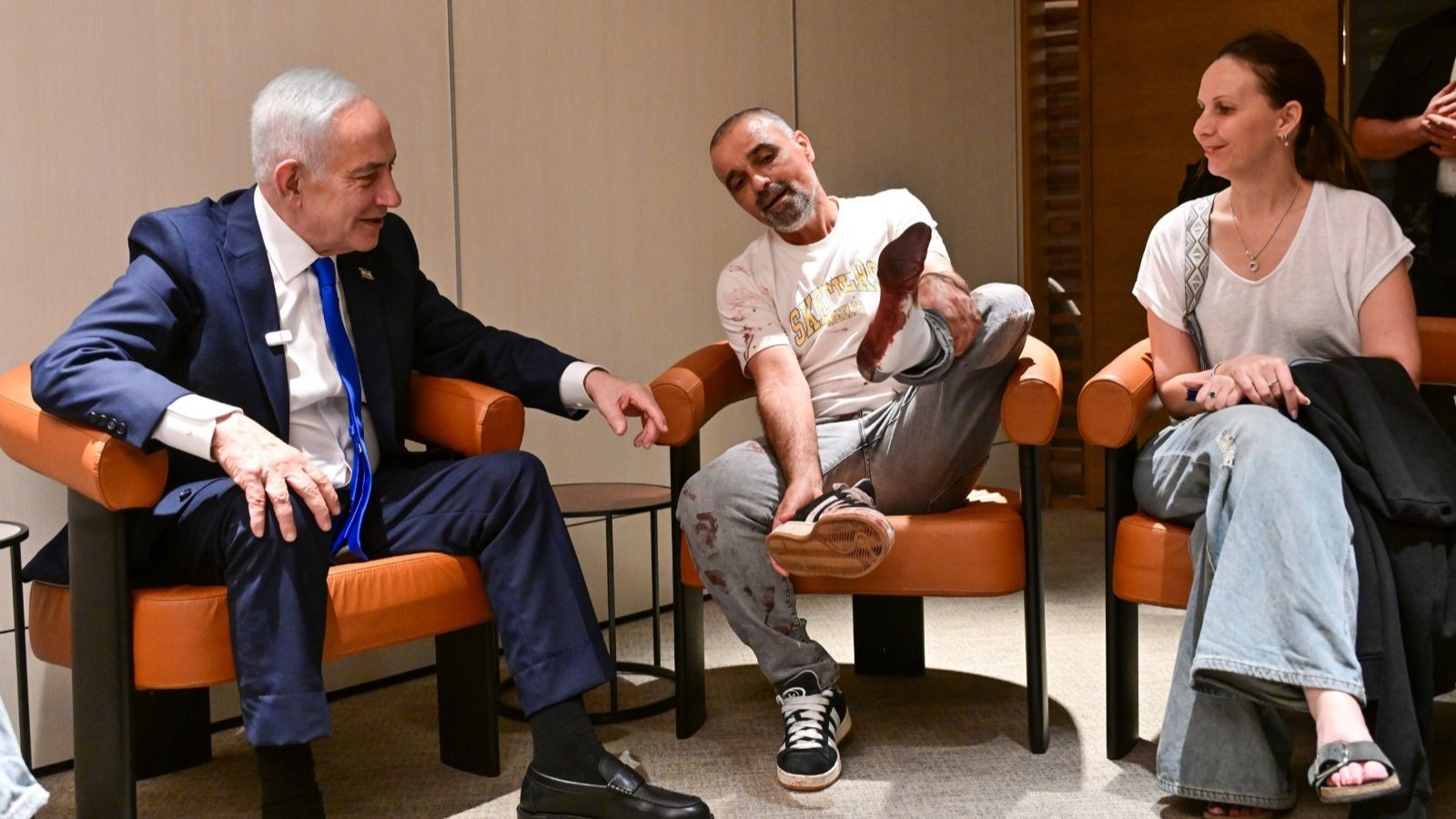
- Everyday travelers jumped in. Passengers with zero aviation training—including a plumber and a dentist—helped wrestle the attacker, clear space, and keep order. One passenger, Hayoun, told Israeli Prime Minister Benjamin Netanyahu he grabbed controls and pulled back handles the way he’d seen on TV before crew members took over.
Honesty check: grabbing controls like a TV show sounds wild, and crew members quickly stepped in to fly the airplane properly. Still, in a chaotic cabin where the captain is bleeding on the floor and the jet is roaring downward, freeze-up is the default human reaction. Moving at all kept the pile-on going until trained pilots reached the flight deck.
Squawk 7500, Scrambled Jets, and a Diverted Landing
From the outside, Flight 1073 looked like a textbook nightmare.
During the dive, the transponder broadcast squawk code 7700 (general emergency), then switched to squawk code 7500 (unlawful interference or hijacking). After a brief climb back to 21,750 feet, the aircraft settled around 15,000 feet and stayed there for roughly an hour.
For about 30 minutes, controllers couldn’t establish normal contact. Israeli Air Force fighter jets scrambled as the aircraft pushed west toward Jordanian airspace. Under Israeli protocol, a rogue aircraft headed toward Israel can face shoot-down authorization from the prime minister under specific conditions. Once the plane turned back toward Saudi Arabia, those fighter jets were recalled.
At 10:45 a.m. GST (9:45 a.m. SAST), the deadheading pilots brought the damaged 737 MAX 8 down safely at Prince Sultan bin Abdulaziz Airport in Tabuk, northwestern Saudi Arabia. Saudi authorities took al-Hammami into custody on the ground. Out of more than 170 to 180 people aboard, one passenger needed hospitalization, a few required bandages for minor cuts, and most walked away physically unharmed.
What Competitor Recaps Miss About Insider Threats
Most quick-hit news summaries stop once they list the zip ties, the squawk codes, and the Tabuk landing. That leaves out the hardest question aviation regulators are wrestling with right now: how do you guard against danger already sitting in the left or right seat?
Decades of post-9/11 hardening focused on keeping outsiders out of the cockpit. Reinforced doors, biometric keypads, and strict sterile-cockpit rules worked well against external hijackers.
They don’t solve an insider turning violent.
Even worse, automatic lock protocols create a grim catch-22. If a pilot is incapacitated or attacked inside, locking the door keeps a hostile actor from opening it—but it also locks out flight attendants and deadheading pilots who know how to fly the jet. Machchhar’s decision to release the lock before losing consciousness wasn’t standard procedure; it was split-second survival instinct.
Investigations quickly widened beyond a single cockpit. Israeli and UAE law enforcement examined al-Hammami’s background, with reports pointing to radical propaganda on his social media and claims by investigators that he had originally eyed July for an attack before acting on Flight 1073. On October 10, India’s National Investigation Agency also opened a case under its Unlawful Activities Prevention Act and Anti-Hijacking Act to check for broader links. Meanwhile, flydubai urged caution against premature speculation while probes continued.
Debate is already heating up over whether cockpit lock rules should stay rigid or include better override pathways for verified crew—and how airlines screen for sudden behavioral shifts between routine simulator checks. There’s no clean consensus yet, and data from rare insider attacks is thankfully thin, which makes policy changes tricky.
Practical Takeaways for Frequent Flyers
You can’t vet flight crews at the gate, and you shouldn’t fly expecting a cockpit brawl. Still, Flight 1073 offers a few grounded lessons if you travel often:
- Keep your seatbelt loosely fastened whenever seated. A 17,000-foot drop in under a minute doesn’t give you time to buckle up once the cabin starts shaking.
- Know where emergency equipment and crew call buttons sit. Flight attendants rely on fast communication and improvised gear when seconds count.
- Stay put during an active security event unless crew direct you. Crowding the aisle slows down medical help for injured crew and makes restraining a suspect harder.
- Follow crew commands immediately after a diversion landing. A safe touchdown in an unfamiliar airport like Tabuk still requires orderly evacuation and local security handoff.
Nothing about Flight 1073 was neat. A damaged rudder, a wounded captain, and a handful of strangers holding down a suspect with headphone wires and cable ties—that’s what survival actually looked like.


