The Non-Event That Made Headlines
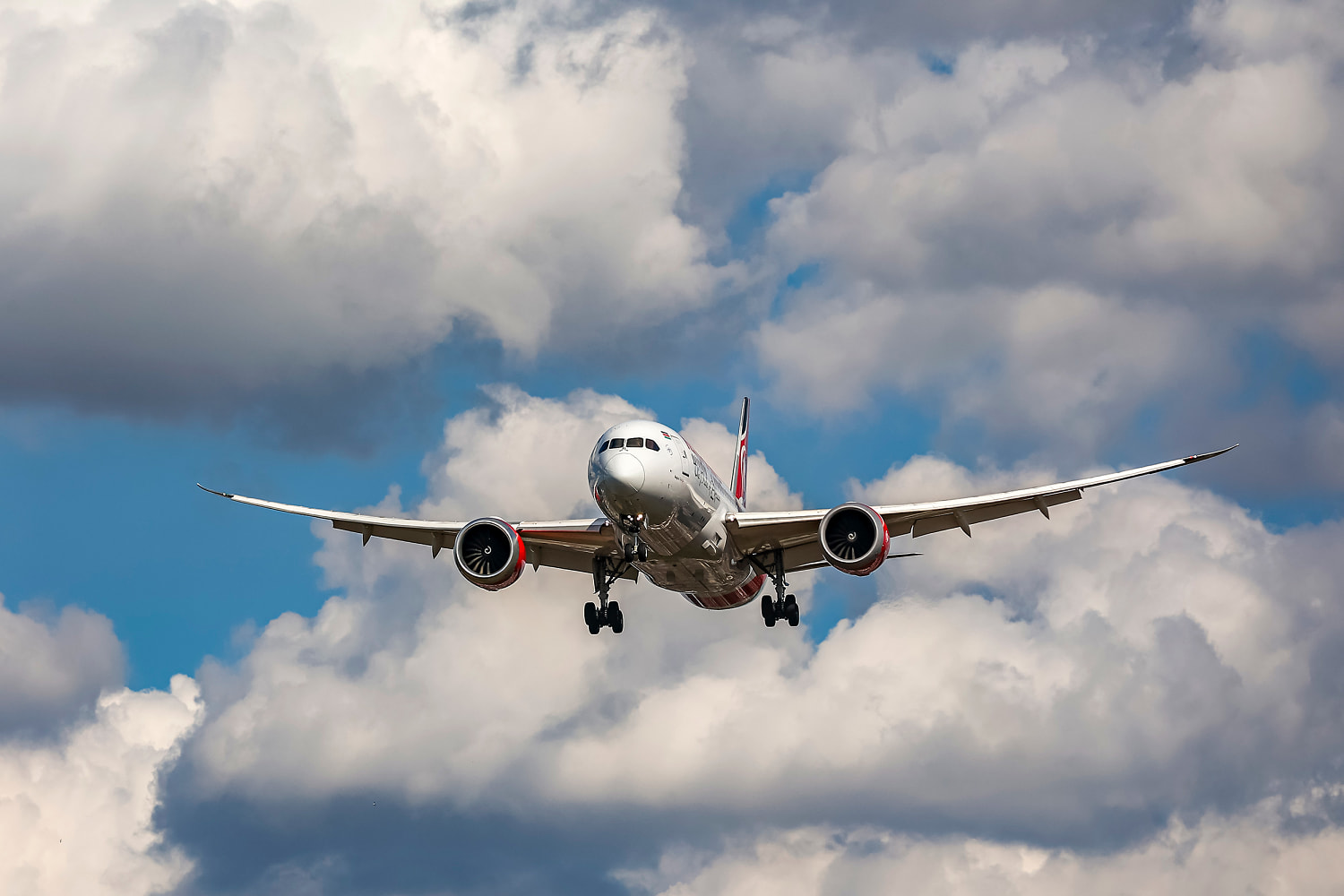
A Kenya Airways Boeing 787 Dreamliner en route from Nairobi to New York City makes an unscheduled landing in Athens after the crew detects a glitch in the flight control system. The mainstream media immediately rolls out the standard panic playbook. Clueless commentators whisper about "near-disaster" scenarios. Terrified passengers tweet from the tarmac. The internet acts like the plane was held together by duct tape and prayers.
It is exhausting to watch.
The lazy consensus surrounding diverted flights is that a diversion equals a failure. The public views an unscheduled landing as a terrifying brush with mortality. In reality, that diversion is definitive proof that the aviation safety ecosystem is working exactly as designed.
I have spent decades analyzing aviation infrastructure and safety protocols. I can tell you flatly: the industry handles these anomalies with a level of cold, calculated redundancy that makes your local hospital or bank look like a chaotic circus. The Athens diversion was not a close call. It was a textbook display of industrial discipline.
The Illusions of "Malfunctioning Flight Controls"
To the uninitiated, the phrase "flight control malfunction" conjures up images of a pilot desperately wrestling with a dead joystick while the aircraft plunges toward earth. This is a cinematic fantasy.
Modern widebody aircraft do not rely on a single cable snapped into a rudder. They run on profound layers of hardware and software redundancy.
The Rule of Three
Take a closer look at the architecture of a Boeing 787 or an Airbus A350. You are not looking at a single point of failure. You are looking at a triple-redundant system.
- Flight Control Computers: Modern jets typically utilize three independent primary flight control computers. Each computer often contains multiple distinct processing channels running completely different software code. This prevents a single coding bug from taking down the entire system.
- Hydraulic Lines and Actuators: Actuators that move the flaps, ailerons, and elevators are powered by multiple, isolated hydraulic or electrical systems. If System A loses pressure, System B takes over instantly. If System B fails, System C is already live.
- Degraded Modes: When a flight control component behaves abnormally, the aircraft does not just stop working. It drops into a "degraded mode" or "alternate law." The plane simplifies its automation, alerts the crew, and hands over a stable, highly flyable aircraft to the pilots.
When the Kenya Airways crew saw an indication of a flight control anomaly, they were not fighting for survival. They were looking at a dashboard telling them that their safety margin had dropped from a factor of three to a factor of two.
The Economics of Caution
Why divert if the plane is perfectly capable of flying across the Atlantic on its remaining redundant systems? Because aviation safety is governed by cold, unyielding math, not bravado.
+------------------------------------+------------------------------------+
| The Mainstream Narrative           | The Aviation Reality               |
+------------------------------------+------------------------------------+
| A diversion means the plane was    | A diversion means the captain      |
| about to crash.                    | refused to violate safety margins. |
+------------------------------------+------------------------------------+
| Pilots are panicking when systems  | Pilots are executing standard      |
| throw errors.                      | checklists with absolute boredom.  |
+------------------------------------+------------------------------------+
| Oceanic crossings are inherently   | ETOPS regulations ensure there is  |
| reckless when issues arise.        | always an alternate runway nearby. |
+------------------------------------+------------------------------------+
Imagine a scenario where a pilot notices a minor hydraulic pressure drop over the Mediterranean. The aircraft can easily finish the 14-hour haul to JFK. But once you cross the "equal time point" over the cold, empty North Atlantic, your options shrink.
If you fly into the oceanic airspace with a pre-existing fault, you are willfully burning through your safety buffer. You are gambling that a second, entirely unrelated failure won't happen over the open ocean.
Aviation does not gamble. The decision to land in Athens is a standard business decision. It is cheaper and safer to repair a component in a major European hub than it is to declare an emergency over the Greenland ice cap. The captain who diverts is not a hero wrestling with a broken beast; they are a risk manager rejecting an unnecessary risk.
Dismantling the Flawed Questions
The public asks the wrong questions every single time an incident like this makes the news cycle. Let's address the flawed premises driving the anxiety.
"Is the Boeing 787 safe to fly?"
This is a classic example of brand-obsessed hyperfixation. The public latches onto manufacturing headlines and assumes every mechanical hiccup is a corporate conspiracy. The Dreamliner has flown millions of hours over the last decade. It has one of the safest operational records in modern history. An actuator failure or a sensor glitch on a 787 is no more indicative of a systemic design flaw than a blown alternator on a Mercedes means the entire fleet is garbage. Aircraft parts wear out. That is why we maintain them on rigid schedules.
"Why didn't they just fly back to Kenya?"
Because flying backward through hours of African airspace with a known system anomaly makes zero operational sense when you are cruising right past the state-of-the-art runways of Europe. Athens has massive maintenance facilities, long runways, and immediate access to global supply chains for replacement parts.
"Weren't the passengers in imminent danger?"
Not even close. If an aircraft is flying straight and level, communicating clearly with air traffic control, and executing an orderly descent into a major international airport, there is no emergency. There is only an inconvenience.
The Dark Side of Absolute Redundancy
To be brutal, this hyper-conservative approach to safety does have a downside that the industry hates to talk about. It creates a culture of immense logistical friction.
A single false reading from a finicky sensor can strand 300 people in a foreign country for 24 hours. It costs airlines hundreds of thousands of dollars in hotel vouchers, rebooking fees, and missed connections. It fuels the 24-hour news cycle with cheap, fear-mongering clickbait.
Sometimes, the system is too sensitive. Modern sensors are so sophisticated that they flag microscopic variations in voltage that sixty years ago wouldn't have even registered on a cockpit dial. We are occasionally victims of our own precision.
But that is the price we pay for an industry that moves billions of people a year through the upper atmosphere at 500 miles per hour without mass casualties. We tolerate the inconvenience of the diversion because we demand the absolute certainty of the landing.
Stop Demanding Perfection, Start Appreciating Friction
The next time you see a headline about a flight diverting over a mechanical issue, change your internal monologue.
Do not picture a falling plane. Picture a highly trained crew following a checklist, calmly talking to controllers, and making a boring, uneventful landing because they refuse to compromise on a fraction of a percent of safety margin.
The diversion isn't the failure. The diversion is the triumph.
If you want an industry that never diverts, you are asking for an industry that takes chances with your life. Enjoy the hotel voucher in Athens. The system worked.