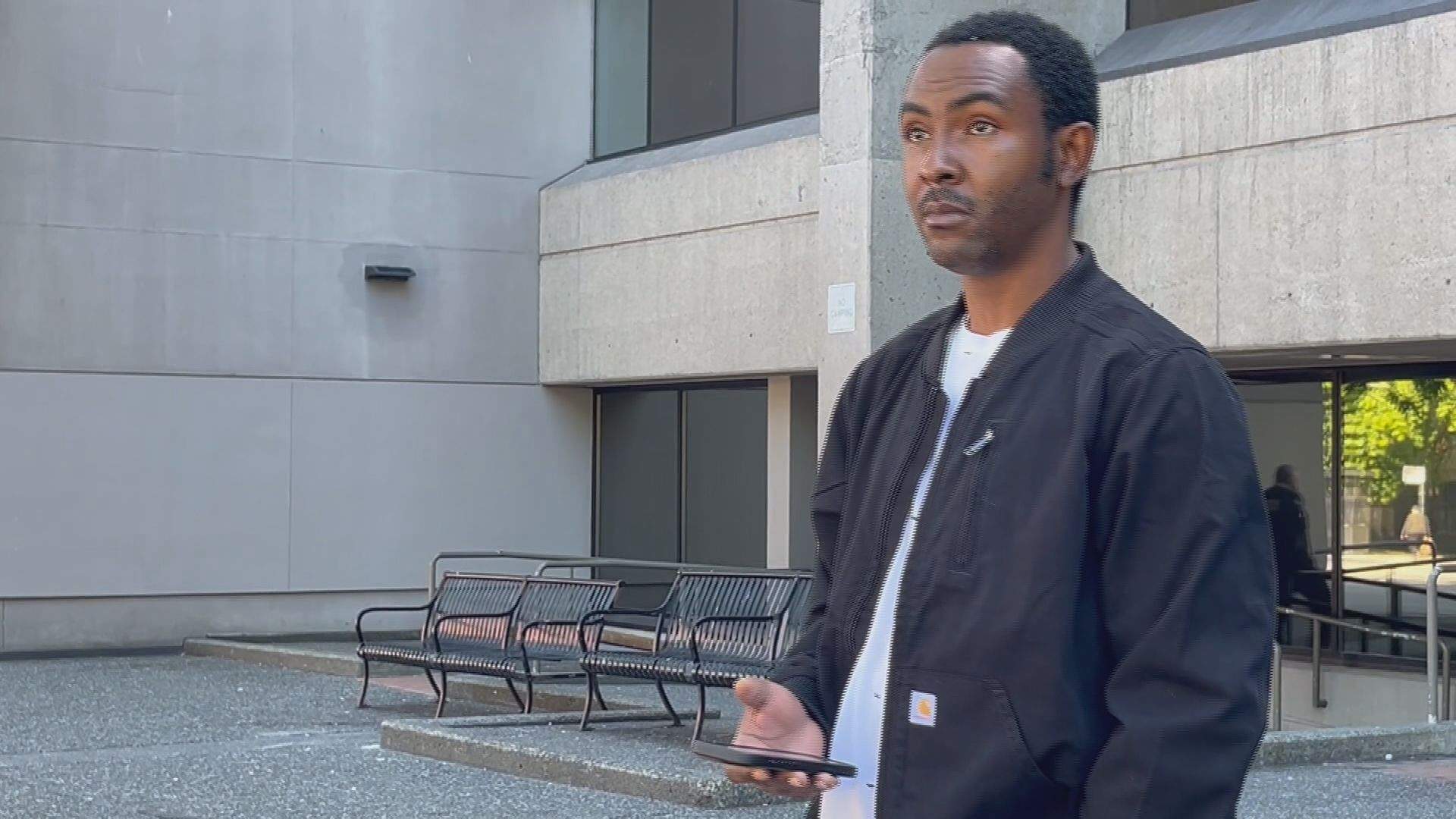
Two of Imran Khan's sisters walked out of Kot Lakhpat Jail in Lahore on November 12, 2026, and most headlines treated it like a sudden diplomatic thaw. It wasn't.
If you've followed Pakistani politics since Khan's ouster in 2022, you know that preventive detention under the Maintenance of Public Order (MPO) Ordinance works like a pressure valve. The state locks people up before a protest march, waits out the momentum, and quietly withdraws the orders right before a judge forces their hand. That's exactly what happened to Dr. Uzma Khan and Noreen Niazi after 53 days behind bars. Meanwhile, their sister Aleema Khan—the one who actually drives the street-level mobilization for Pakistan Tehreek-e-Insaf (PTI)—stayed locked inside. Meanwhile, you can find similar events here: Why Iran Parades Ballistic Missiles to Honor Its Iran-Iraq War Dead.
Understanding why two walked free while one stayed behind tells you everything about how Islamabad manages political dissent right now.
How the 53-Day Detention Played Out
To see why the November 12 release happened when it did, you have to look at the calendar. To explore the complete picture, check out the recent analysis by BBC News.
Back in late September 2026, PTI was gearing up for a major nationwide protest march on Islamabad to demand Imran Khan's release. Pakistani authorities didn't wait for the crowds to gather. On September 20, police arrested Aleema Khan. A day later, on September 21, they picked up Uzma Khan and Noreen Niazi.
The Lahore deputy commissioner issued initial 30-day detention orders under Section 3 of the Punjab Maintenance of Public Order Ordinance, 1960. When those 30 days expired in October, officials extended them for another month. The official justification? Police reports claiming the three women posed an immediate threat to public safety and order.
Here's the catch. The planned march on Islamabad never materialized. The federal government even went so far as to suspend the PTI-led provincial administration in Khyber Pakhtunkhwa, which had been organizing the demonstration. Once the protest threat evaporated, keeping Uzma and Noreen in Kot Lakhpat Jail stopped serving a tactical purpose.
Their lawyers challenged the extended joint detention order in the Lahore High Court. Right ahead of a scheduled court hearing on November 12, the Punjab government abruptly withdrew the order. Advocate Rana Mudassar confirmed both women walked out of Kot Lakhpat Jail at 2:00 pm local time.
The timing wasn't a coincidence. Provincial authorities routinely rescind MPO orders hours before High Court judges can declare them unlawful, avoiding a formal judicial rebuke on the record.
Why Aleema Khan Remained Behind Bars
If the protest threat was over, why didn't Aleema Khan walk out the same afternoon?
Because in Pakistan's current political climate, not all family members carry the same weight. While Uzma and Noreen have stayed relatively measured in their public appearances, Aleema has become the de facto operational face of the Khan family outside Adiala Jail. She handles media briefings, coordinates directly with PTI's second-tier leadership, and refuses to soften her rhetoric against the military establishment.
Her legal exposure is also completely different from her sisters'.
- Separate detention orders: Uzma and Noreen were held under a joint MPO order. Aleema was placed under a standalone detention order that the Punjab government refused to rescind.
- Pending anti-terrorism charges: Aleema is a named accused in a high-profile case registered at Rawalpindi's Sadiqabad police station stemming from the November 26, 2024 D-Chowk protests. That demonstration saw over 10,000 PTI supporters breach lockdowns to march into Islamabad, leading to clashes with security forces and 29 separate criminal cases across Rawalpindi District.
- Endless judicial delays: Even when her legal team pushes for closure in the 2024 protest case, the wheels barely turn. Special Anti-Terrorism Court Judge Amjad Ali Shah has repeatedly deferred the reserved verdict—pushing the ruling back yet again to December 16, 2026. Her defense counsel has openly objected that the court reserved judgment without even letting them finish presenting arguments.
Keeping Aleema inside Kot Lakhpat Jail cuts off PTI's clearest communication pipeline to its founder. You don't need to jail the whole family when isolating the primary organizer achieves the exact same result.
The Bigger Picture Inside Adiala Jail
You can't separate the sisters' detention from what's happening to Imran Khan himself.
Imran Khan has been imprisoned since August 2023, and his wife, Bushra Bibi, has been behind bars since January 2025. While most of the convictions against Khan have been suspended or overturned on appeal, he remains held on remaining charges—including seven cases tied to the November 2024 protests—while Bushra Bibi faces charges across all 29 Rawalpindi protest cases.
Over the last few months, the battleground has shifted from political rallies to basic prison rights and medical access.
In August 2026, Pakistan's Supreme Court ordered authorities to move Khan from Adiala Jail to Islamabad's privately run Shifa International Hospital for a thorough evaluation by a medical board, largely due to ongoing complications with his right eye. According to Khan's family and personal physician Dr. Faisal Sultan, the government ignored that directive. Instead, authorities took him to a government hospital overnight in November for a brief check-up and returned him to jail before his lawyers or family could intervene.
Days after Uzma and Noreen were released, Khan sent an open letter to top judges warning that court orders regarding his medical care and visitation rights were being flatly ignored. Even Islamabad High Court orders granting him routine Tuesday and Thursday family visits have been bypassed.
Look at how those pieces fit together. When the state blocks family visitation at Adiala Jail and simultaneously keeps Aleema Khan locked up in Lahore, it creates an information blackout around the country's most popular opposition figure.
What Misconceptions Surround These Releases
Whenever international outlets report that Pakistani authorities have freed prominent opposition figures, a few predictable myths pop up online. Let's clear them up.
Myth 1: The release means the government and PTI are negotiating a deal.
Wrong. PTI senior leader Moonis Elahi welcomed the release of Uzma and Noreen as "some good news," while the party's official statement immediately stressed that freeing two sisters didn't erase the persecution of Khan's family. In his November letter to the courts, Khan explicitly stated he was asking for zero favors and zero deals—only compliance with the prison manual. There is no backchannel breakthrough happening here.
Myth 2: Uzma and Noreen were acquitted of crimes.
They were never convicted of anything during this 53-day stint. Section 3 of the MPO Ordinance allows district officials to lock citizens up preemptively without a trial or formal criminal conviction simply on suspicion that they might disturb public peace. Withdrawing an MPO order just ends preventive custody; it isn't a court clearing someone's name.
Myth 3: Pakistan's courts are driving these releases.
Indirectly, yes, because defense petitions force the government's hand. Directly, no. The executive branch holds the keys to MPO detentions. By pulling the order right before a High Court hearing, the Punjab government kept control of the timeline and avoided setting a judicial precedent that could help other detained PTI workers.
How to Track What Happens Next
If you're watching Pakistan's political trajectory over the coming weeks, ignore the noisy daily rumors on social media and watch three specific legal pressure points instead:
- The Lahore High Court challenge on Aleema Khan's MPO order: Lawyers have already petitioned to quash Aleema's standalone preventive detention. Watch whether the Punjab government withdraws her MPO order just before her next hearing—which would confirm they are simply running out the clock—or tries to justify a third extension.
- The December 16 Anti-Terrorism Court ruling: Even if Aleema's MPO detention gets dropped, the November 2024 protest verdict scheduled for December 16 hangs over her head. A conviction there would keep her incarcerated regardless of what the Lahore High Court decides on preventive detention.
- Compliance with Adiala Jail visitation orders: Keep an eye on whether Uzma Khan and Noreen Niazi are actually permitted to enter Adiala Jail on designated Tuesdays and Thursdays to see Imran Khan. If they remain free in Lahore but barred from visiting Rawalpindi, you'll know the containment strategy hasn't budged an inch.
Watch the court dockets in Lahore and Rawalpindi, not the press releases—that's where the real story sits.
Check out Pakistan Releases Imran Khan's Two Sisters From Jail As Aleema Remains Behind Bars for broadcast coverage detailing the 53-day preventive detention and why Aleema Khan remains in custody.