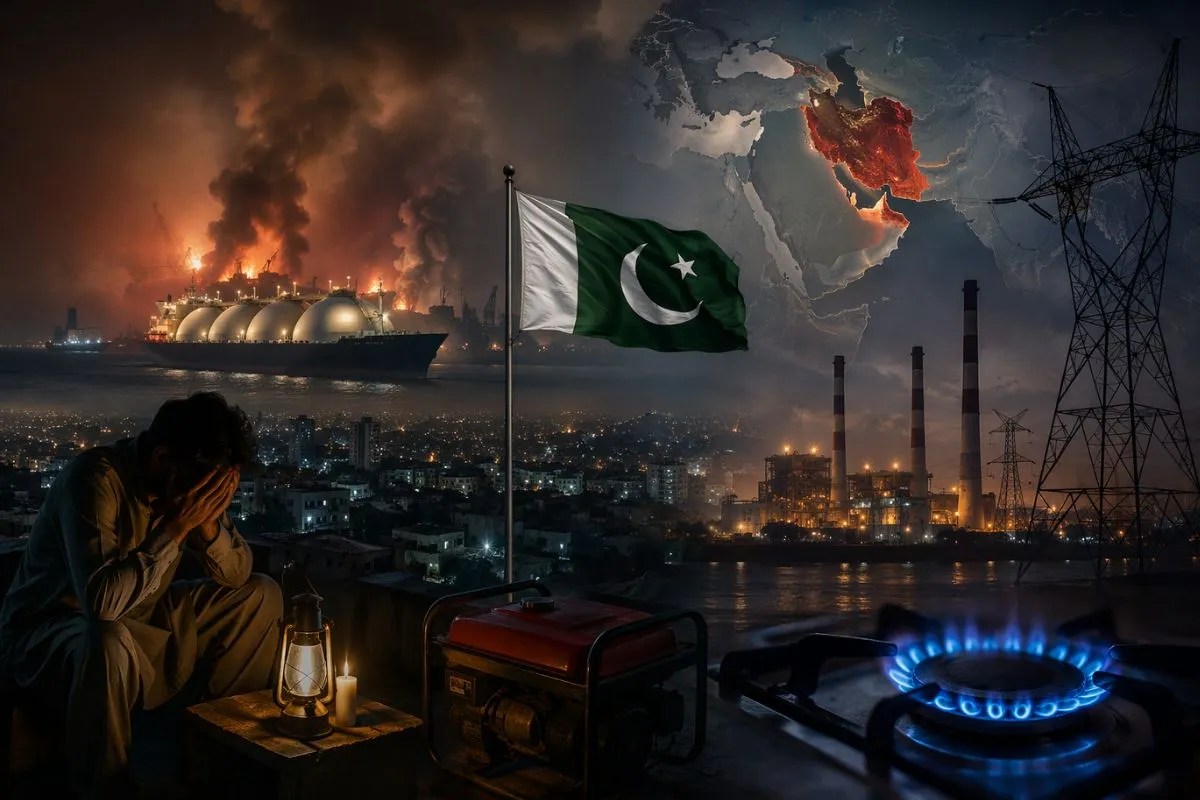
Pakistan is going dark and it's not just a technical glitch. It's a systemic collapse. If you’ve been following the news lately, you’ve seen the headlines about mass blackouts, soaring electricity bills, and a national grid that seems held together by duct tape and prayers. The power crisis in Pakistan has moved beyond a simple shortage. It's now a full-blown economic emergency that threatens to pull the entire country into a permanent state of industrial paralysis.
People ask why a nation with nuclear capabilities can’t keep the lights on for twenty-four hours straight. The answer isn't just about "not enough fuel." It’s a mess of bad debt, aging infrastructure, and political choices that have finally come home to roost. I’ve seen how this plays out in real time. Small business owners in Lahore are shutting down because they can't afford the generator fuel, while families in Karachi decide between paying the "bijli" bill or buying a full month of groceries. This is the reality of the Pakistan power crisis.
The circular debt trap that's choking the economy
You can't talk about Pakistan’s energy problems without talking about circular debt. It’s a term economists love to throw around, but here’s what it actually means in plain English. The government buys power from private producers but doesn't collect enough money from the people or departments using that power. This happens because of massive line losses—essentially electricity theft—and a failure to collect bills from influential people and government offices.
When the government can't pay the power producers, those producers can't buy the fuel needed to run the plants. The plants shut down. The lights go out. As of 2024 and heading into 2025, this debt has ballooned into trillions of rupees. It’s a giant hole that gets deeper every single day. The International Monetary Fund (IMF) keeps demanding that Pakistan raise electricity prices to cover this gap. So, the government raises the rates. But when prices go up, more people can’t pay, and more people start stealing power. It’s a vicious, soul-crushing cycle.
Aging grids and the failure of transmission
Even if Pakistan had all the fuel in the world, the grid probably couldn't handle the load. Most of the country's transmission infrastructure is decades old. We're talking about transformers and wires that were meant for a much smaller population with much lower energy needs. When a heatwave hits—and they hit hard in South Asia—everyone turns on their air conditioners. The old wires get hot, they sag, they trip, and then a "cascading failure" happens.
I remember the 2023 national blackout. One fault in the southern part of the country caused a frequency drop that tripped the entire national grid within minutes. From Islamabad to Quetta, everything went black. That’s not a fuel problem. That’s a "your hardware is broken" problem. The government has focused far too much on building new power plants because they make for great photo ops during elections. They’ve almost completely ignored the boring, expensive work of upgrading the poles and wires that actually carry the juice to your house.
The heavy price of imported fuel
Pakistan relies way too much on imported Liquefied Natural Gas (LNG) and oil to run its power plants. When global energy prices spiked after the Russia-Ukraine conflict, Pakistan was left holding an empty bag. The country’s foreign exchange reserves are often critically low, meaning they sometimes literally don't have the US dollars needed to buy a shipment of gas sitting at the port.
While there’s been a push toward using "Thar Coal"—domestic coal from the Sindh province—it hasn't been the silver bullet everyone hoped for. Mining takes time. Converting plants takes money. Until Pakistan can shift its energy mix toward more hydro, solar, and domestic coal, it remains a hostage to the global oil market. Every time there’s a hiccup in the Middle East, the fans stop spinning in Punjab.
Solar power is a double edged sword for the state
Lately, you'll see solar panels on every second rooftop in posh neighborhoods of Islamabad and Lahore. People are fed up. They’re taking matters into their own hands. On the surface, this sounds great. Green energy! Clean power! But for the Pakistani government, this is a nightmare.
When the wealthy and the middle class go off-grid or use "net metering" to sell power back, the government loses its best-paying customers. This leaves only the poorest people—and the biggest power thieves—on the national grid. This makes the "circular debt" problem even worse. There’s now a weird tension where the state actually wants to discourage people from using solar because they need that sweet, sweet revenue from high electricity bills to pay off their debts. It’s a backwards situation where progress actually hurts the current broken system.
Breaking the cycle of blackouts
If you're living through this, "patience" is a word you're tired of hearing. But the fixes aren't going to be fast. The government needs to get serious about privatizing the distribution companies (DISCOs). Right now, these companies are black holes of inefficiency. Private management might actually have an incentive to stop the theft and fix the billing.
Stop building new plants and start fixing the wires. A grid that can’t handle a 5% increase in load is a failed grid. Prioritize transmission upgrades over flashy new generation projects. The country also needs to aggressively move toward the "Competitive Trading Bilateral Contract Market" (CTBCM). This is basically a fancy way of saying let private buyers and sellers trade electricity without the government being the middleman for everything.
Don't wait for the state to fix your life. If you have the means, invest in hybrid solar systems with battery backups. The days of cheap, reliable state-provided power are over for the foreseeable future. Make sure your appliances are inverter-based to handle voltage fluctuations, which are only going to get worse as the grid stays under stress. The energy crisis isn't a seasonal guest; it’s a permanent resident until the very foundations of the Pakistani power sector are ripped up and rebuilt.