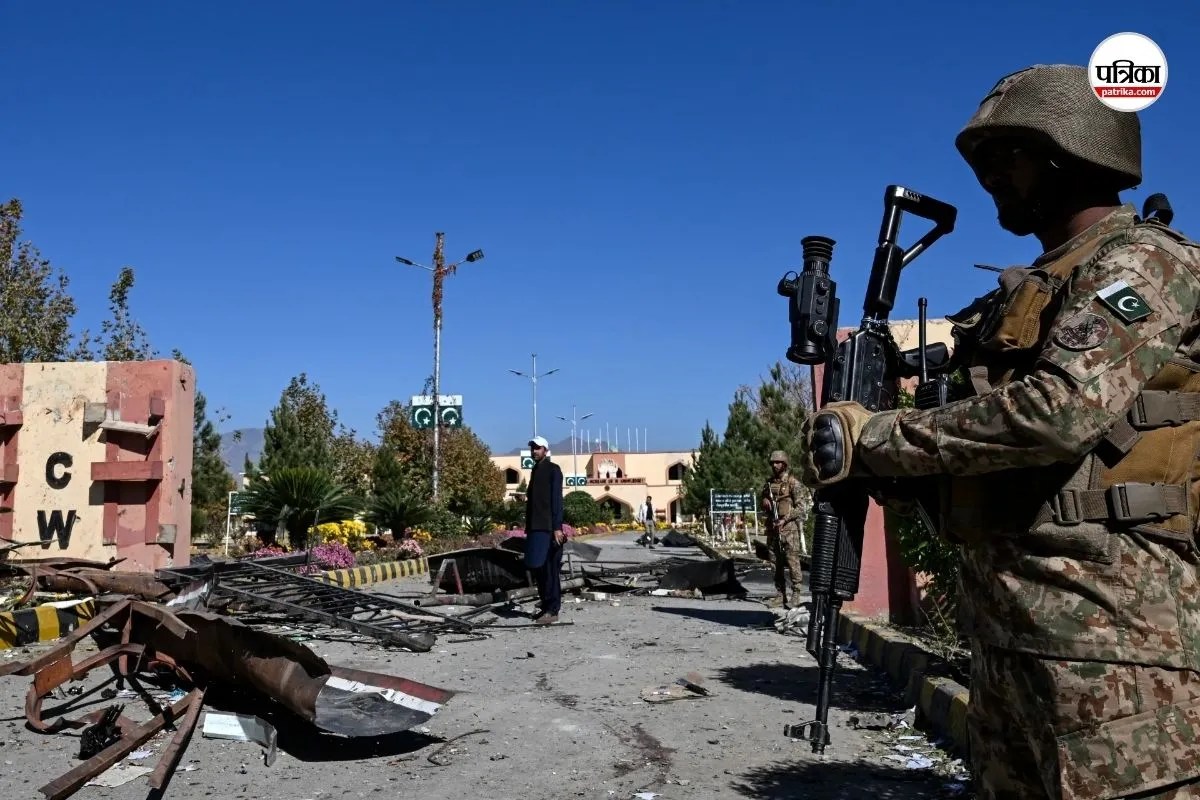
The border between Afghanistan and Pakistan isn't just a line on a map. It's a powder keg that just saw another massive explosion. Instead of preparing for Eid celebrations with family, residents in the Kunar province of Afghanistan spent their week digging through rubble and mourning the dead. Pakistani airstrikes have hit the region hard, claiming they're targeting militants, but the ground reality tells a much grimmer story of civilian displacement and a diplomatic relationship that's officially hit rock bottom.
You'd think two neighboring nations with shared religious and cultural ties would find common ground during a holy month. Instead, we're seeing a cycle of violence that feels all too familiar. Pakistan’s military claims the strikes are a necessary response to cross-border attacks by the Tehrik-i-Taliban Pakistan (TTP). Meanwhile, the Taliban government in Kabul calls it a blatant violation of sovereignty.
The Breaking Point in Kunar
Kunar has always been a hotspot. Its rugged terrain makes it a perfect hiding spot for insurgents, but it’s also home to thousands of families who just want to live in peace. When the bombs started falling, they didn't just hit "strategic targets." They hit homes. They hit the very heart of communities that were already struggling under the weight of a collapsed economy and international isolation.
Eyewitnesses in the Chogam area of Shaltan district describe a scene of pure chaos. It wasn't a precision operation. It was a blunt instrument used in a delicate situation. Pakistan has grown increasingly frustrated with the Taliban's refusal—or perhaps inability—to rein in the TTP. But launching airstrikes into another country's territory is a massive gamble that rarely pays off in terms of long-term security.
The timing couldn't be worse. Eid is supposed to be a time of joy. Now, for many in Kunar, it’s a time of funerals. This isn't just about military strategy; it’s about the human cost of a geopolitical grudge match.
Why the TTP Factor Changes Everything
Pakistan used to be the Taliban's biggest supporter. That’s the irony most people miss. Now, the roles have flipped. Islamabad feels betrayed because they expected the Taliban to shut down the TTP once they took power in 2021. That hasn't happened.
The TTP shares an ideological DNA with the Afghan Taliban. Expecting the guys in Kabul to turn on their "brothers-in-arms" was always a bit of a pipe dream. Pakistan is now dealing with a surge in domestic terrorism and they’re lashing out. But here’s the problem: every time a Pakistani bomb kills an Afghan civilian, it creates ten more recruits for the very groups Pakistan is trying to destroy.
It’s a classic case of a "security dilemma." One side takes an action to feel safer, which makes the other side feel less safe, leading to a spiral that nobody can control. We’re seeing that play out in real-time along the Durand Line.
The Myth of Precision Strikes
Military spokespeople love the term "surgical strikes." It sounds clean. It sounds professional. In reality, in the mountains of Kunar, there’s nothing surgical about it. When you're dropping munitions from the air onto villages, "collateral damage" isn't just a statistic. It's a child who won't get to wear their new Eid clothes. It's a farmer whose livelihood is gone in a flash of heat and metal.
The Afghan Ministry of Defense hasn't stayed silent. They’ve warned of "consequences." While the Taliban doesn't have a sophisticated air force to retaliate, they have plenty of ways to make life miserable for Pakistan along the border. We’ve already seen skirmishes at the Torkham and Chaman crossings. This latest escalation in Kunar just adds fuel to a fire that was already burning out of control.
A Failed Diplomatic Strategy
For decades, Pakistan’s policy toward Afghanistan was built on the idea of "strategic depth." They wanted a friendly government in Kabul to ensure they weren't squeezed between a hostile India and a hostile Afghanistan. They got the government they wanted, but they didn't get the friendship.
Honestly, the relationship is now more strained than it was during the years of the Republic. The Taliban are nationalists first. They don't want to be seen as Pakistan's puppets. By striking Kunar, Pakistan is trying to bully Kabul into submission. It won't work. It’s only making the Taliban more defiant and the Afghan public more hateful toward their neighbor.
- Border Fencing: Pakistan has spent millions trying to fence the border. It hasn't stopped the militants.
- Economic Pressure: Closing border crossings hurts Afghan traders, but it also hurts Pakistani exporters. It’s a double-edged sword.
- Military Action: Airstrikes are a sign of desperation, not strength. They show that Islamabad has run out of diplomatic options.
What Happens After the Smoke Clears
The immediate aftermath of the Kunar strikes is a humanitarian mess. Local NGOs are reporting that families are fleeing deeper into the mountains, terrified of the next wave of attacks. There's no clear path to de-escalation here. Pakistan is under immense internal pressure to stop the TTP, and the Taliban are under immense pressure to protect their people from foreign "aggression."
This isn't just a local spat. China, Russia, and the U.S. are all watching this closely. A total breakdown in Pak-Afghan relations would destabilize the entire region. If the TTP continues its attacks inside Pakistan and Pakistan continues to bomb Afghanistan, we’re looking at a localized war that could easily spill over.
The international community needs to stop looking at this as a simple counter-terrorism issue. It’s a complex regional conflict with deep historical roots. Simply condemning the violence doesn't do anything for the people in Kunar who are currently burying their dead.
If you're following this situation, watch the border crossings. If Torkham closes for an extended period, it's a sign that the "quiet" war is becoming a very loud one. Monitor official statements from the Taliban's Ministry of Foreign Affairs; their rhetoric has shifted from "concerned" to "threatening." The next few weeks will determine if this was a one-off show of force or the start of a much deadlier campaign. Keep an eye on regional reporting from independent Afghan journalists who are often the only ones willing to document the actual civilian toll on the ground. Reach out to international aid organizations like the Red Cross or NRC if you want to understand the displacement numbers currently coming out of the eastern provinces.