The blue light of a laptop screen at 4:14 AM does something strange to the human face. It flattens the features, casting a cold, digital pallor over skin that should be warm with sleep. For six years, that glow was Sarah’s alarm clock. She was a product manager at Meta, the kind of person who kept a spare toothbrush in her desk at the Menlo Park campus and genuinely believed that connecting the world was a secular ministry.
Then came the email.
It did not arrive with a fanfare or a dramatic summoning to a glass-walled conference room. It was just a cold notification on a Tuesday morning, a clinical update to an internal HR portal that rendered her badge useless and her corporate laptop a brick. Ten percent of the company vanished into the digital ether that week. Just like that, ten thousand lives were recalibrated.
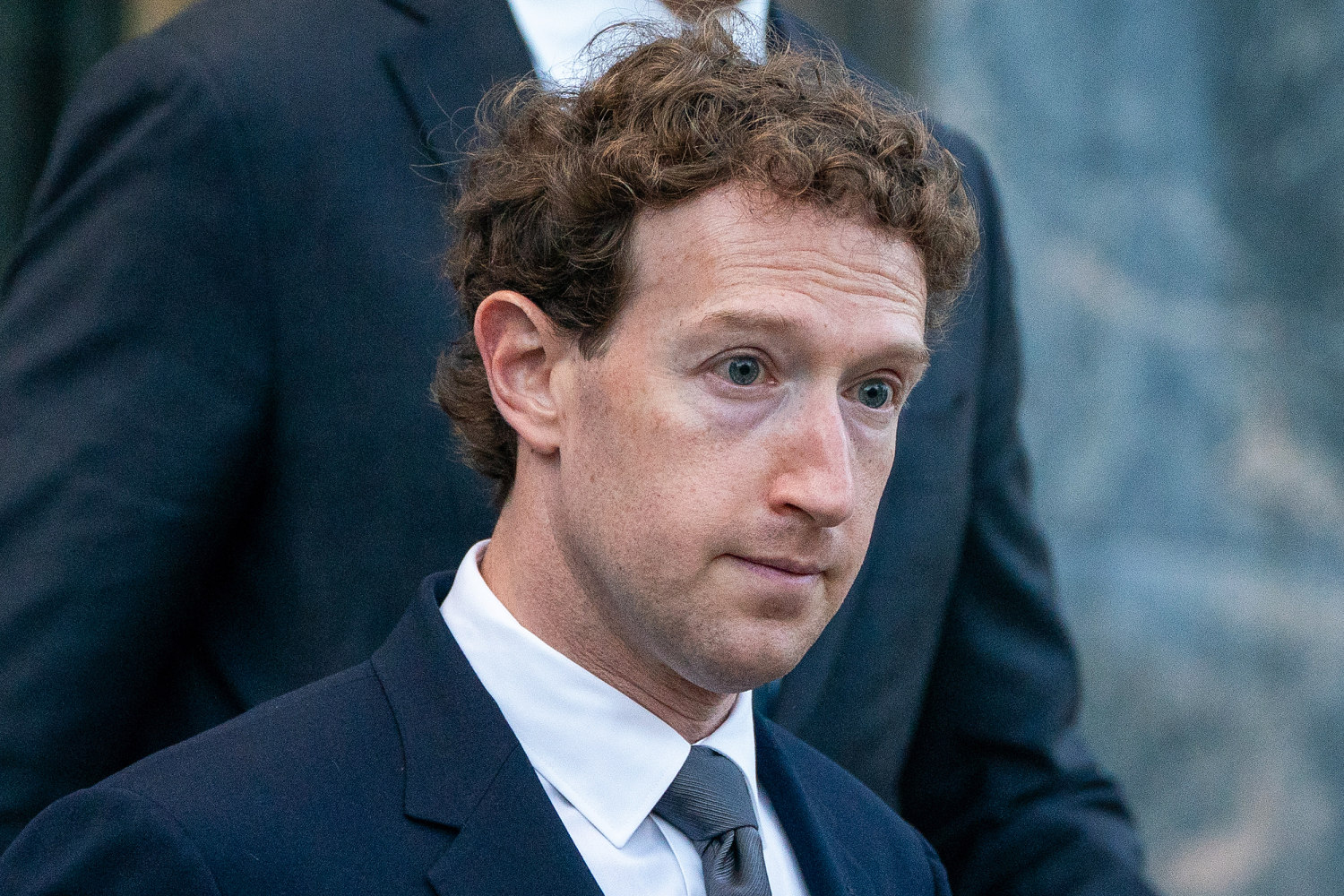
A few days later, Mark Zuckerberg stood before the remaining workforce, his image beamed onto thousands of screens worldwide. His message was stripped of the usual techno-optimism. Success, he warned, is not a given.
For an industry that had spent two decades acting as though gravity was merely a suggestion, the statement felt less like a corporate update and more like an existential betrayal. The era of infinite growth had hit a wall.
The Mythology of the Infinite Desk
To understand how we arrived at this fractured moment, you have to understand the architecture of the Silicon Valley dream. It was built on the premise that tech companies were not mere businesses; they were hyper-efficient engines of destiny. If you poured enough free espresso, micro-kitchens, and beanbag chairs into an ecosystem, the universe would reward you with compound interest.
Consider the physics of a tech boom. When money is virtually free and interest rates hover near zero, corporations do not just hire to fill roles. They hire to hoard talent. It is a defensive strategy. If a brilliant engineer is sitting in Menlo Park eating complimentary sushi, they are not down the street building a competitor.
During the pandemic, this hiring frenzy reached a fever pitch. The world shifted online overnight. Screen time skyrocketed. E-commerce surged. The leadership at Meta looked at the spiking charts and made a fateful assumption: the acceleration was permanent. They doubled down, expanding the workforce by tens of thousands of people in a frantic bid to colonize the next digital frontier.
But charts have a cruel habit of snapping back to the mean.
When the physical world reopened, people stepped away from their headsets and looked up at the sun. The ad market softened. Inflation crept upward. The massive infrastructure built to support a permanent digital reality suddenly looked less like a launchpad and more like an anchor.
The subsequent layoffs were treated by Wall Street as a necessary course correction, a cleaning of the ledger that sent stock prices soaring. But a balance sheet is an abstraction. It does not capture the quiet panic of a visa holder counting down the days before deportation, or the sudden, jarring silence of a Slack workspace where a third of the avatars have turned gray.
The Irony of Efficiency
There is a distinct psychological whiplash that occurs when a company transitions from "move fast and break things" to "the year of efficiency."
In the boom years, the corporate culture was defined by anAlmost religious devotion to scale. Engineers were encouraged to build complex, sprawling systems because resources were functionally limitless. If a project failed, it was celebrated as a learning experience. The mantra was iteration, exploration, and the pursuit of the horizon.
When the mandate changes to austerity, the entire value system flips.
Suddenly, the layers of middle management that were once praised for providing organizational guardrails are reclassified as bureaucratic bloat. Projects that were deemed essential to the company’s long-term vision are shelved with a single keystroke. The remaining employees are asked to do more with less, navigating an environment where the psychological safety required for innovation has been replaced by a low-humming anxiety.
The great irony is that this drive for efficiency often produces the exact opposite effect in the short term. When a workforce watches ten percent of its peers walk out the door, the surviving collective does not automatically become leaner and faster. It becomes cautious.
People stop taking risks. They stop proposing radical, unproven ideas because risk is now associated with vulnerability. The narrative shifts from how do we build the future to how do we survive the next quarter. The very culture that enabled the company's historic rise is cannibalized to preserve its immediate profit margins.
The Mirage of Predictability
We have conditioned ourselves to believe that scale equals permanence. We look at a corporation worth hundreds of billions of dollars, with campuses that resemble small cities, and we assume it operates under different laws of nature than the local hardware store.
It does not.
The warning that success is not guaranteed is not just a sobering line from an executive script; it is an admission of vulnerability from an industry that has long pretended to be invulnerable. The platforms that dictate how billions of people communicate, work, and perceive reality are ultimately fragile structures, susceptible to the same macroeconomic shifts and consumer whims as any retail chain.
The transition from a growth company to a mature utility is a painful one. It requires letting go of the romantic notion that every product will change the world, and accepting the reality that some products simply need to keep the lights on. For the workers who tied their personal identity to the grand mission of the company, that shift feels like a loss of faith.
They learn, swiftly and coldly, that the corporate family is, and always has been, a contract.
The Silent Campus
A few weeks after her departure, Sarah drove past the Menlo Park campus. From the highway, the buildings looked exactly the same. The massive thumbs-up logo still greeted visitors at the entrance. The glass facades reflected the California sky with perfect, unblemished clarity.
But the energy had shifted.
The sprawling outdoor spaces, once vibrant with the energy of people who believed they were writing the code for human destiny, looked sparse. The open-plan offices, designed to foster serendipitous collaboration, now felt vast and quiet, populated by people looking over their shoulders, wondering if the next algorithmic realignment would include their name.
The tech industry will continue to build, profit, and dominate the global economy. The algorithms will become more sophisticated, and the stock charts will inevitably find new peaks. But the innocence of the ecosystem is gone. The era of the untouchable tech worker has drawn to a close, replaced by a colder, sharper understanding of employment in the twenty-first century.
The lights remain on at Hacker Way, burning bright into the suburban night, but the warmth inside the glass has changed.


