The air does not behave like air up here. It thins out, turns brittle, and scrapes against the back of your throat like crushed glass. At 7,200 feet above the level of the sea, Mexico City does not welcome outsiders. It tolerates them, watching with a collective, heavy-lidded smirk as their lungs scream for oxygen that simply isn't there.
Step into the belly of the Estadio Azteca.
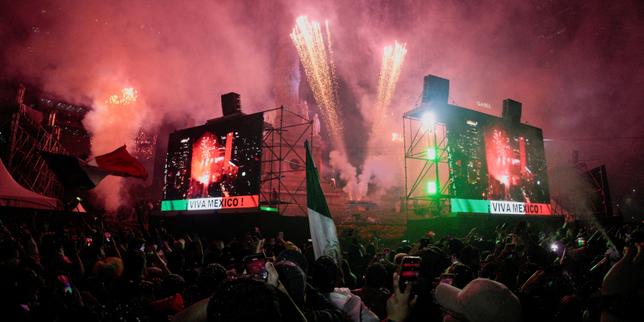
It is a concrete crater. A brutalist Colosseum carved out of volcanic stone, designed with a terrifying architectural genius to trap sound, heat, and anxiety. When a hundred thousand souls inside that bowl begin to stomp their feet, the concrete literally vibrates. The ground beneath your cleats trembles. You can feel the sub-bass of their collective hostility rattling your ribs before you even touch the ball.
For an English footballer, this place is not just a stadium. It is a haunted house.
To understand why a match in the Azteca is less of a sporting event and more of an existential trial, you have to look past the tactics boards and the standard pre-match press conferences. Forget the sterile statistics about possession percentages and passing accuracy. They mean nothing when your vision begins to blur at the sixty-minute mark.
Consider a hypothetical young midfielder. Let's call him Jack. He grew up on lush, rain-slicked pitches in Yorkshire, where the air is damp and heavy, and you can run for miles on pure instinct. He has prepared for this match for months. He has spent weeks in hyperbaric chambers, tracking his heart rate, drinking custom electrolyte blends, and listening to sports psychologists talk about "mental resilience." He feels ready.
Then he walks out of the tunnel.
The heat hits him first. It is a thick, stagnant blanket woven from tropical sun and urban smog. Then comes the wall of noise. It isn't the cheerful, rhythmic chanting you hear in London or Manchester. It is a deafening, terrifying roar—a monolithic wave of whistling and booming drums that swallows the sound of your own voice. Jack tries to shout an instruction to his center-back five yards away. His teammate just stares back, eyes wide, reading lips.
Five minutes in, Jack makes his first lung-bursting run to track a Mexican winger. He stops, turns to track back, and inhales.
Nothing happens.
His lungs expand, but the vital gas he needs is absent. A sudden, sharp panic spikes in his chest. His heart rate rockets to 190 beats per minute. His thighs burn with lactic acid that refuses to clear. The Mexican players, born and raised in this thin air, glide past him with an infuriating, effortless grace. They look like they are playing a different sport, unbound by the laws of gravity and biology that are currently crushing the visitors.
History sits in the luxury boxes here, mocking every English white shirt on the pitch.
England does not just fight the eleven men in green jerseys. They fight ghosts. It was on this exact patch of grass in 1970 that Alf Ramsey’s reigning world champions crumbled under the blistering heat, throwing away a two-goal lead to West Germany as their legendary goalkeeper sat sick in a hotel room. It was here, sixteen years later, that Diego Maradona bypassed reality entirely, using the hand of a deity and the feet of a wizard to break English hearts in the quarterfinals of 1986.
The Azteca does not forget. The locals ensure the memory stays alive, chanting, taunting, reminding the English that this turf belongs to the gods of the Americas, and European arrogance is stripped away at the gates.
But the real problem lies elsewhere, far beneath the tactical adjustments of the manager. It rests in the psychological toll of isolation.
When you play in a stadium that hostile, the pitch shrinks. Every mistake is magnified by a hundred thousand jeering voices. If an English defender misplaces a pass, the stadium erupts in a mocking cheer that echoes off the towering roof. The pressure builds, layer by layer, until the players stop looking for the creative, risky passes that win matches. They look for safety. They pass sideways. They pass backward. They try to survive rather than win.
Meanwhile, the Mexican side feeds on the environment like apex predators. They know the exact moment the European legs begin to fail. It usually happens just after the hour mark. The English stride loses its snap. The recovery runs become jogs. The gaps between the midfield and the defense begin to yawn open like canyons.
That is when the home team strikes, moving the ball with sharp, triangular passes that force the gasping visitors to chase shadows in the smog.
Winning here requires something beyond athletic excellence. It requires a willingness to suffer, an almost masochistic acceptance that the next two hours will be miserable, painful, and deeply unfair. You have to accept that your throat will burn, your head will ache, and the crowd will hate you with a passion that feels intensely personal.
The final whistle eventually blows, offering a brutal mercy. The English players sink to the turf, chests heaving, staring up at the patch of hazy sky above the stadium rim. They have given everything, but the Azteca always demands a little bit more than you have to give.
Down in the dressing room, the oxygen tanks hiss in the darkness.