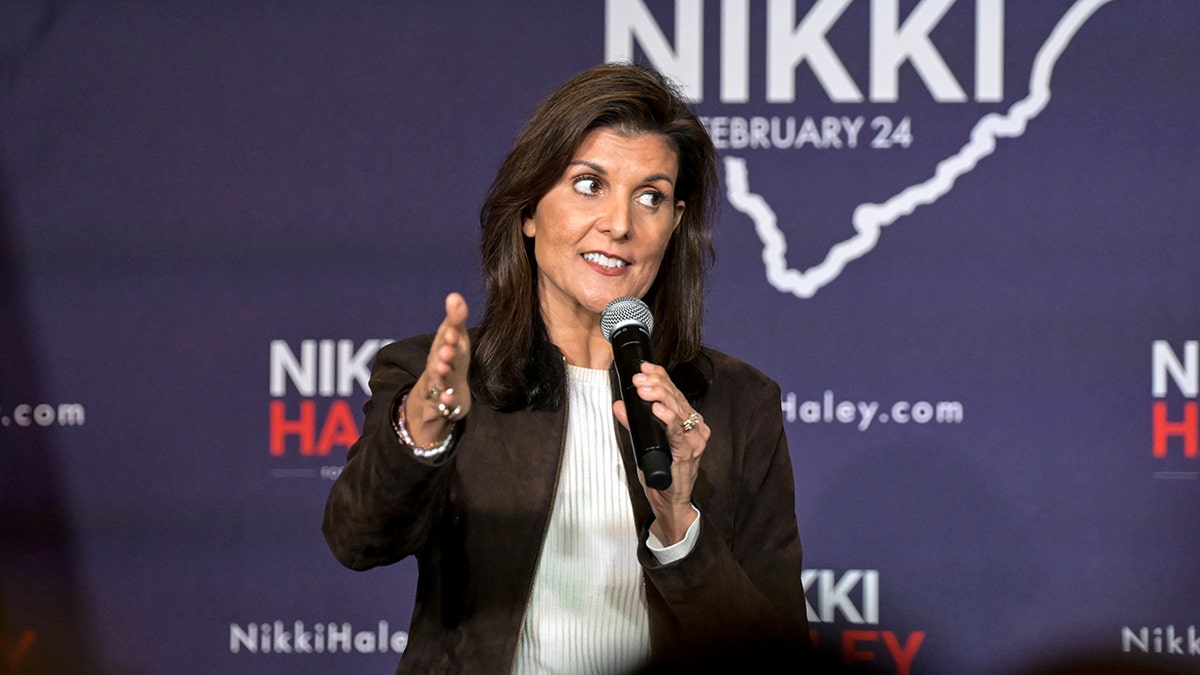
The Strait of Hormuz just became the most dangerous stretch of water on the planet. Again. When the U.S. Navy intercepted an Iranian cargo ship this weekend, it wasn't just another routine seizure in a long history of maritime tension. It was a smoking gun. Nikki Haley isn't mincing words about it either, and frankly, she shouldn't.
Haley’s claim is straightforward but massive: that ship was carrying chemical precursors for missiles, and it was coming straight from China.
If you’ve been following the news, you know the U.S. recently imposed a naval blockade in the region. This seized vessel is the first big catch of that operation. It didn’t just wander into the wrong lane. It reportedly ignored repeated orders to stop, acting exactly like a ship carrying something it didn't want the world to see.
The China Connection Nobody Wants to Admit
We’ve spent years talking about Iran's "indigenous" missile capabilities. It makes for a great headline in Tehran, but it's largely a myth. Iran's ballistic program relies on a global life-support system, and China is the one holding the oxygen tank.
Haley’s point is that China propping up the Iranian regime isn't a conspiracy theory—it’s a logistical reality. The ship in question was reportedly hauling chemicals essential for solid rocket fuel. You don't just find these materials at a local hardware store. We’re talking about substances like sodium perchlorate.
Why does this matter? Because solid-fuel missiles are the ones you can hide in a tunnel and fire on a moment's notice. They don't require the hours of visible fueling that liquid-fueled rockets do. By providing these chemicals, China isn't just trading; they're providing the "fast-trigger" capability that makes Iran a nightmare for regional stability.
What Was Really in Those Crates
When Haley mentions "missile chemicals," she's referring to the backbone of Iran's strike power. Intelligence reports have been tracking specific shipments for months.
- Sodium Perchlorate: A key oxidizer. Without this, a solid-fuel rocket is just a very expensive metal tube.
- Aluminum Powder: Often used as a fuel additive to increase the thrust and temperature of the burn.
- Carbon Fiber: Necessary for the lightweight, high-strength casings that allow missiles to travel further.
Experts from the Foundation for Defense of Democracies (FDD) have noted that while Iran has made strides in assembly, they’re still "resource-poor" when it comes to the raw chemistry of war. They need a partner willing to look the other way. China has proven more than happy to fill that role, often using a "sprawling web" of front companies to mask the destination of these materials.
The Blockade and Operation Epic Fury
The seizure didn't happen in a vacuum. It's part of a much larger shift in U.S. strategy that some are calling "Economic Fury." After years of "maximum pressure" that felt more like "moderate annoyance," the current naval blockade in the Strait of Hormuz represents a hard pivot.
The U.S. is finally trying to physically sever the umbilical cord between Beijing’s chemical plants and Tehran’s missile silos. Iran, predictable as ever, has called the seizure "piracy." But when a ship ignores international maritime hailing and carries enough propellant precursors to fuel hundreds of Kheibar Shekan missiles, "piracy" is a pretty weak defense.
A Pattern of Behavior
This isn't the first time Nikki Haley has stood in front of the world to call out this specific brand of Iranian deception. You might remember back in 2017 when she stood in a hangar at Joint Base Anacostia-Bolling with the literal wreckage of an Iranian Qiam missile. It had "Made in Iran" fingerprints all over it, even though Tehran denied sending it to Houthi rebels.
The difference now? The stakes. In 2026, we’re not just talking about proxy wars in Yemen. We’re talking about a direct military confrontation where those China-backed missiles are being fired at U.S. bases and regional allies.
The Reality We Can No Longer Ignore
The most chilling part of Haley’s message isn't about the chemicals themselves. It's about the alliance. China could have stopped these ships. They have the most sophisticated surveillance and bureaucratic control in the world. They didn't stop them because the chaos in the Middle East serves their broader goal of stretching U.S. resources thin.
If you're wondering what happens next, watch the shipping lanes. This won't be the last ship the U.S. pulls over. The blockade is designed to be a chokehold, but a chokehold only works if you're willing to hold on until the other side stops moving.
What you should do now:
Keep a close eye on the Treasury Department's Office of Foreign Assets Control (OFAC) updates. They’re the ones who will name the specific Chinese companies involved in this shipment. Once those names come out, expect a massive diplomatic firestorm. If you're invested in energy markets or defense, this is the story that will drive volatility for the rest of the quarter. Don't believe the "indigenous" narrative—the Iranian threat is a Chinese-fueled one.