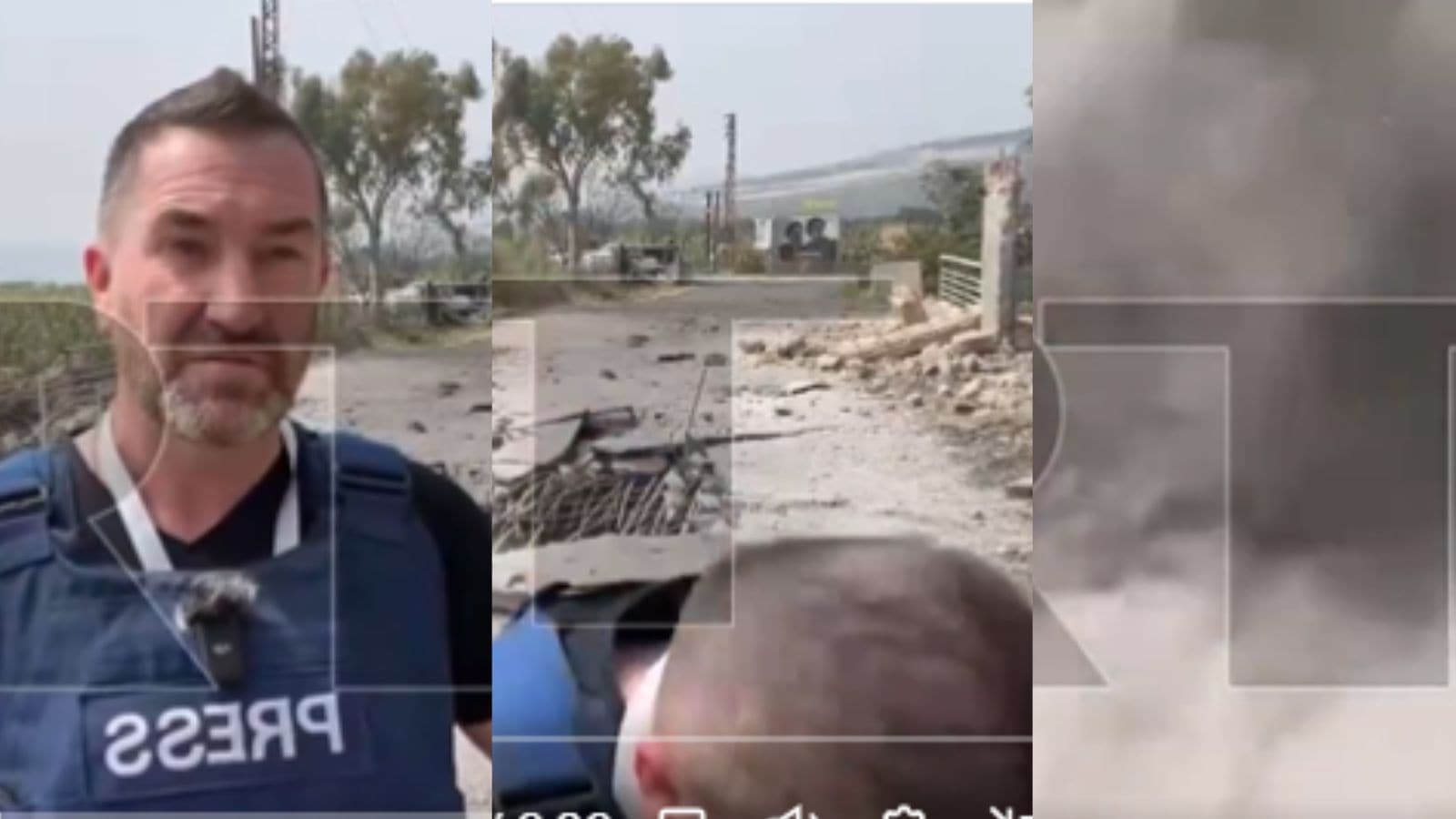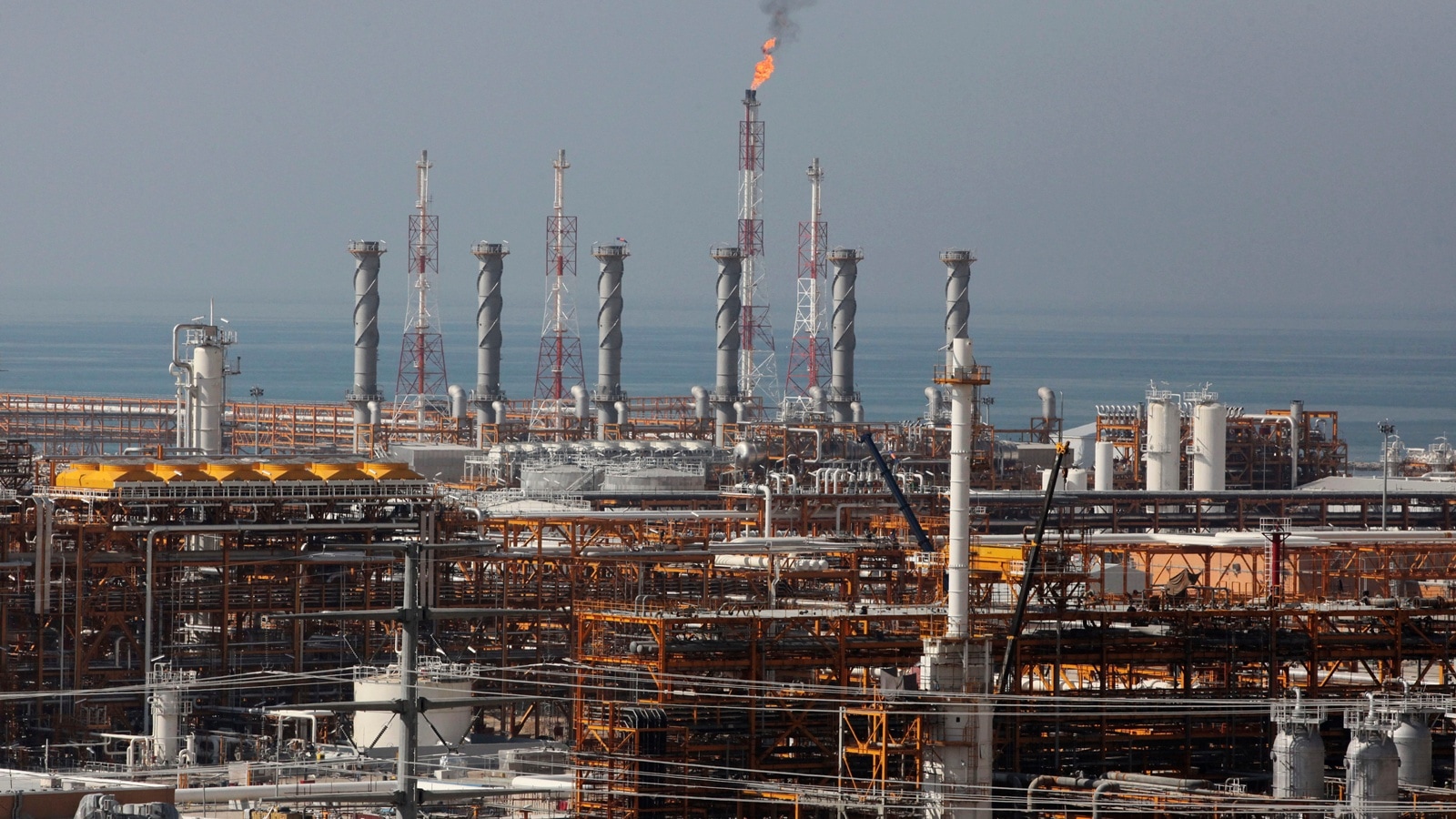
The siren didn't sound like a warning. It sounded like a mechanical scream, cutting through the humid midnight air of the Persian Gulf. In the control rooms of Ras Laffan, the world’s largest liquefied natural gas (LNG) hub, the monitors didn't just flicker; they bled red.
Gas is usually invisible. It is the ghost in our heaters, the silent partner in our power grids, the blue flame beneath a child’s dinner. But when millions of tons of it are under threat from the sky, it becomes the heaviest thing on earth. While the world watched the grainy footage of Iranian missiles streaking across the horizon, the real story wasn't just about the ballistics. It was about the widening chasm between two allies who suddenly realized they were looking at the same map but seeing two different worlds.
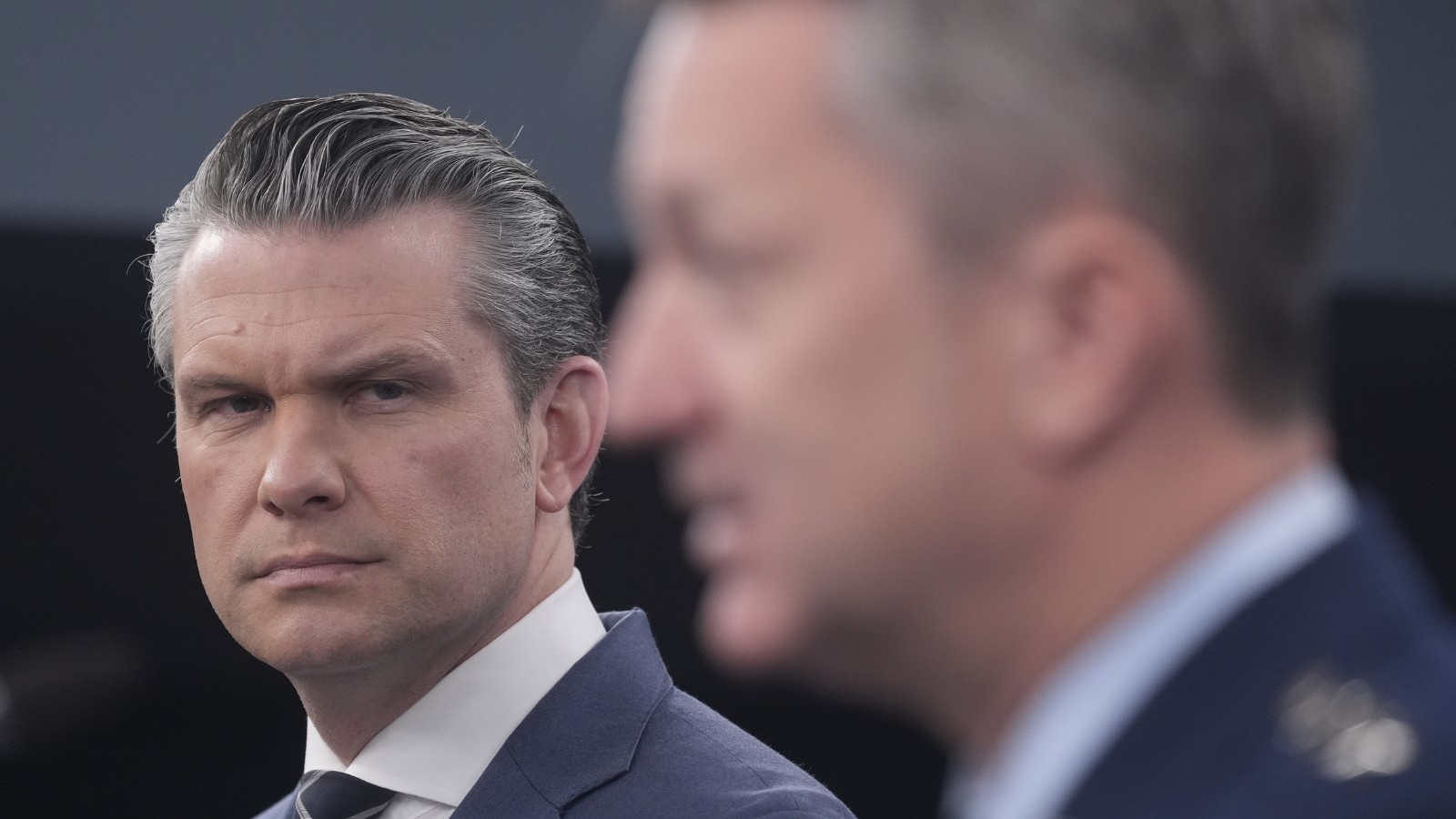
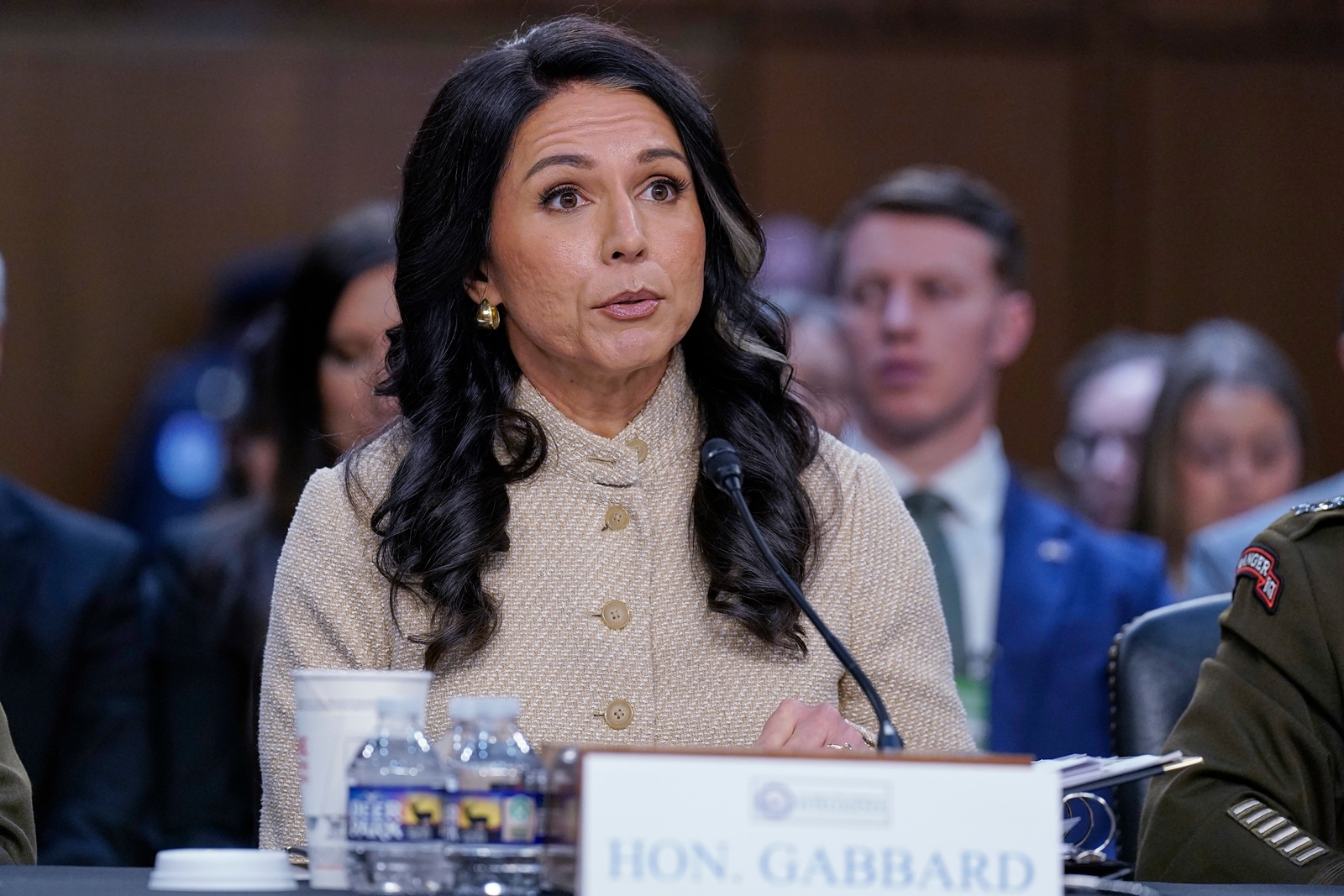
Tulsi Gabbard, standing at the helm of American intelligence, stepped into the light to clarify what many had suspected in whispers. The United States and Israel are no longer in lockstep. The friction isn't over the "if" of security, but the "how" of survival.
The Fragility of the Blue Flame
To understand why a strike on a Qatari gas hub matters to a baker in Paris or a factory worker in Ohio, you have to look at the plumbing of the planet. We live in an era of precarious connectivity. Imagine a massive, interconnected web of glass straw. One crack in the Middle East doesn't just spill fluid locally; it vibrates the entire structure until the glass shatters in London and Tokyo.
When Iran launched its offensive, the target wasn't just a patch of sand or a military outpost. It was the jugular of the global energy market. Qatar’s LNG exports represent the margin between a cold winter and a manageable one for much of Europe. If those terminals go dark, the domino effect is immediate. Shipping rates skyrocket. Electricity prices triple. Political stability in Western democracies, already frayed, begins to snap.
Israel sees this through the lens of an existential threat. For them, a nuclear-adjacent Iran is a fire in the basement of their only home. They want the fire out, now, by any means necessary. But from the perspective of the U.S. intelligence apparatus, the basement is part of a global skyscraper. If you use too much water to put out the fire, you drown everyone on the lower floors.
A House Divided by Strategy
Gabbard’s recent disclosures highlight a fundamental shift in the American approach. The "differences" she spoke of aren't mere diplomatic hiccups. They are deep, structural disagreements on the threshold of pain.
Consider a hypothetical negotiator named Elias. He has spent twenty years in the windowless rooms of the State Department. To Elias, every missile intercepted is a victory for the status quo. To his counterpart in Jerusalem, every missile launched is a failure of deterrence.
Israel’s strategy is built on the "Begin Doctrine"—the idea that no enemy in the region can be allowed to possess weapons of mass destruction, or the capability to paralyze the state. They favor surgical, often preemptive, strikes. They want to cut the head off the snake.
The U.S., however, is playing a game of containment. Washington is wary of a "forever war" in a region that has already swallowed trillions of dollars and thousands of lives. They see the LNG hub not just as a Qatari asset, but as a hostage. If Iran is pushed into a corner where it feels it has nothing left to lose, it will execute the hostage.
The Invisible Stakes of the LNG Hub
The strike on Ras Laffan was a demonstration of reach. It was Iran’s way of saying: We can touch the things you love. For the technicians working the night shift when the impacts occurred, the reality was far from the sterile reports of "geopolitical tension." It was the smell of ozone. It was the bone-shaking thud of a warhead hitting the earth, a sound that feels less like a noise and more like a physical blow to the chest. These workers are often expatriates—engineers from India, safety officers from Britain, laborers from the Philippines. They are the human faces of a global energy supply chain that we take for granted until the light switch stops working.
When Gabbard points out the divergence in U.S. and Israeli intelligence assessments, she is acknowledging that the U.S. is now prioritizing the prevention of a total energy collapse over the absolute neutralization of Iranian proxies. This is a bitter pill for Israel to swallow. It feels like a betrayal of the "never again" ethos. But for the U.S., it is a cold calculation of "never everywhere."
The Shadow of 1973
History isn't a straight line; it's a series of echoes. Those with long memories hear the echoes of the 1973 oil crisis in today's headlines. Back then, it was an embargo. Today, it is the threat of kinetic destruction of infrastructure.
The difference now is the speed of the fallout. In 1973, news traveled at the speed of print. Today, the second a missile hits a storage tank in Qatar, the algorithms in New York and Hong Kong have already sold off millions in stocks. The economic heart attack happens before the smoke even clears.
Gabbard’s role is to manage this volatility. By being transparent about the "differences" with Israel, she is signaling to Tehran that the U.S. is not a blind participant in every Israeli escalation. It is a delicate, dangerous dance. It’s an attempt to de-escalate by creating distance, hoping that by showing a lack of unity, they can prevent the very total war they fear.
The Human Cost of Miscalculation
Behind the maps and the missile trajectories are people who just want to go to work. Think of a small business owner in a suburb of Berlin. She has spent the last three years recovering from the energy spikes caused by the war in Ukraine. Her margins are thin. She watches the news of the Iranian strikes not as a political observer, but as someone watching a predator circle her livelihood.
If the U.S. and Israel cannot find a common language, this business owner is the one who pays the price. The invisible stakes are the quiet lives of billions that are disrupted by the loud decisions of a few.
The tension Gabbard describes is the sound of the world’s superpower trying to pull back on a leash that has grown frayed. Israel, feeling the heat of the fire more acutely, is pulling in the opposite direction.
The Weight of the Intel
Intelligence isn't about knowing everything. It’s about knowing what matters most right now. For the U.S. Intel Chief, what matters most is preventing a regional flare-up from becoming a global blackout.
The Iranian strikes were a message written in fire. The U.S. response, delivered through Gabbard’s measured words, was a message written in ice. It was a call for cool heads in a region that is currently a furnace.
But cooling a furnace takes more than words. It takes a realization that in a world of interconnected dependencies, there is no such thing as a "local" conflict anymore. Every explosion has a global echo. Every difference in strategy between allies is a gap that an adversary will try to fill with a wedge.
The night the lights dimmed in Doha was a rehearsal. It was a glimpse of a world where the infrastructure of our daily lives becomes the primary battlefield. As the U.S. and Israel navigate their "differences," the rest of the world waits to see if the next strike will be the one that finally breaks the glass straw.
There is a specific kind of silence that follows an explosion. It is the silence of held breath. As Tulsi Gabbard navigates the halls of power, and as the sirens in the Gulf fade into the background, that is where we are now. We are in the breath between the strike and the consequence, wondering if the blue flame will still be there when we wake up.
The maps on the wall in the Situation Room don't show the people, the small businesses, or the cold homes. They show targets and trajectories. But the true intelligence lies in remembering that the targets are made of steel, and the trajectories are fueled by history, but the victims are always, invariably, us.