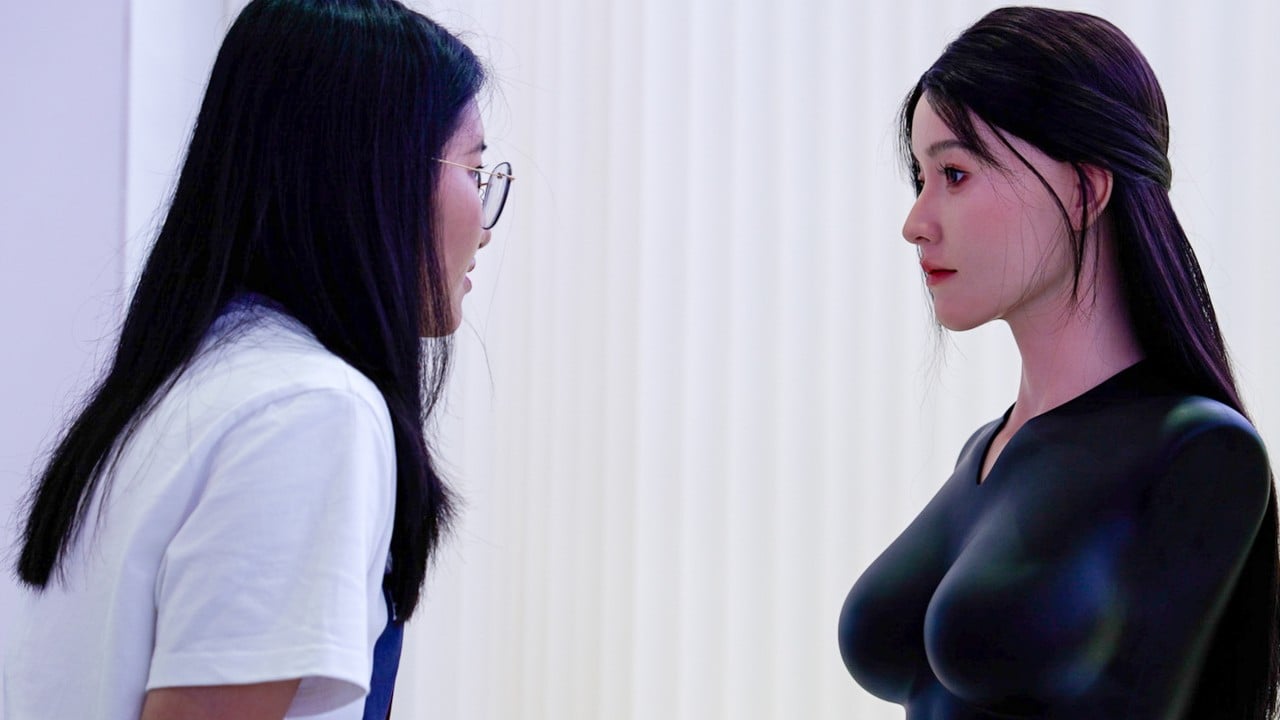
You can now walk onto a major e-commerce platform in China, drop a deposit, and buy a full-size, lifelike humanoid robot designed specifically to keep you company. It won't clean your kitchen. It won't scrub your bathroom floor. Instead, it's built to look you in the eye, smile, read your facial expressions, and remember details about your day.
UBTech Robotics just officially launched its U1 series under the consumer sub-brand UWorld. In less than three weeks of online presales, the company secured over 13,360 orders. For context, UBTech sold a grand total of 1,079 full-size industrial robots across all of 2025. This massive surge reveals an unexpected, massive shift in how people view advanced hardware. Consumers don't want automated housekeepers anymore. They want artificial friends.
But before you welcome a six-foot-tall synthetic companion into your living room, you need to understand exactly what you're buying. The reality of commercial bionics right now is a fascinating mix of incredible engineering and glaring physical limitations.
The Reality Behind the Hype
The U1 series breaks away from the metallic, industrial look of typical machines. It comes in two distinct models built close to actual human proportions. The male version stands roughly 6 feet tall (183 centimeters) and weighs about 93 pounds (42 kilograms). The female version sits at 5 feet 6 inches (168 centimeters) and weighs roughly 78 pounds (35.2 kilograms).
UBTech packed 88 degrees of freedom into these bodies. That mechanical complexity allows the robots to mimic fluid human movements, blink, smile, and tilt their heads sideways during a conversation. They use an emotional AI model to interpret your words, track your eye movements, and analyze your mood. It's an eerie, impressive level of physical simulation.
Then you look at the price tag. The base U1 model starts at 119,800 yuan, which translates to roughly $17,647. High-end customized versions climb all the way up to 990,000 yuan. It’s an expensive investment for a machine that can't even pick up your laundry.
The Short Battery Problem
The biggest catch sits right in the technical specification sheet. These bionic units run for only two to four hours on a single charge.
Think about that for a second. An emotional companion that needs to sit on a charging dock every 120 minutes isn't a fluid part of your household. It's a high-end luxury gadget. The dream of a synthetic roommate hanging out in the living room all day falls flat when the machine goes dark before you finish watching a movie.
While industrial models like the UBTech Walker S2 use advanced dual-battery hot-swapping stations to run continuously on factory floors, the consumer U1 forces you to manage its battery life constantly.
Customization and Privacy Issues
UBTech stores conversation histories locally on encrypted memory modules to keep things private. The robot needs this memory to build a sense of relationship, referencing past discussions naturally. But a human-sized machine with an adult-only label brings real ethical complications.
CEO Zhou Jian admitted that building human-like robots that cater to highly diverse emotional needs while maintaining consistent manufacturing quality is an incredibly tough hill to climb. Buyers can customize the appearance of these machines, which immediately triggers heavy questions. How close will these custom looks get to real, living people? Who controls that data if a local encryption system fails? We are entering uncharted territory here.
The Wild Race for Domestic AI
UBTech isn't operating in a vacuum. The Chinese robotics sector is currently a hyper-competitive battleground. Companies are slashing margins to get footprints inside homes.
- Unitree: Famous for industrial agility, their consumer-facing G1 model launched at under 100,000 yuan, undercutting UBTech’s historical pricing.
- Zhiyuan Robot: Shipped over 5,100 units last year and is scaling aggressively right now.
- BYD: The automotive giant is secretly working on its own internal project codenamed "Yao-Shun-Yu" to bridge the gap between vehicles and domestic bionics.
This fierce competition is driving down manufacturing costs at a ridiculous pace. UBTech itself is aiming to mass-produce at least 10,000 units of the U1 series this year alone. Mass production lines in Shenzhen are spinning up, with initial home deliveries scheduled to land on doorsteps starting September 16.
Evaluate the Value of Emotional AI
If you are looking at this market, don't buy into the illusion that these machines are ready to run your household. They are interactive, physical manifestations of large language models. They are built for conversation, presence, and novelty.
If you want a machine to handle chores, save your money and wait for industrial tech to filter down. But if you want a front-row seat to the most ambitious experiment in human-robot interaction ever attempted, keep your eyes on the shipping dates this fall. Watch the early customer reviews on JD.com after September 16 to see how those two-hour battery lives hold up in real living rooms before you drop fifteen grand of your own money.