The headlines are tracking the grim metrics of a fast-moving crisis. We are looking at 528 suspected cases and 132 deaths across the Democratic Republic of the Congo and Uganda. The World Health Organization just triggered its highest level of alarm by declaring it a Public Health Emergency of International Concern.
If you think you have seen this script before, you are wrong.
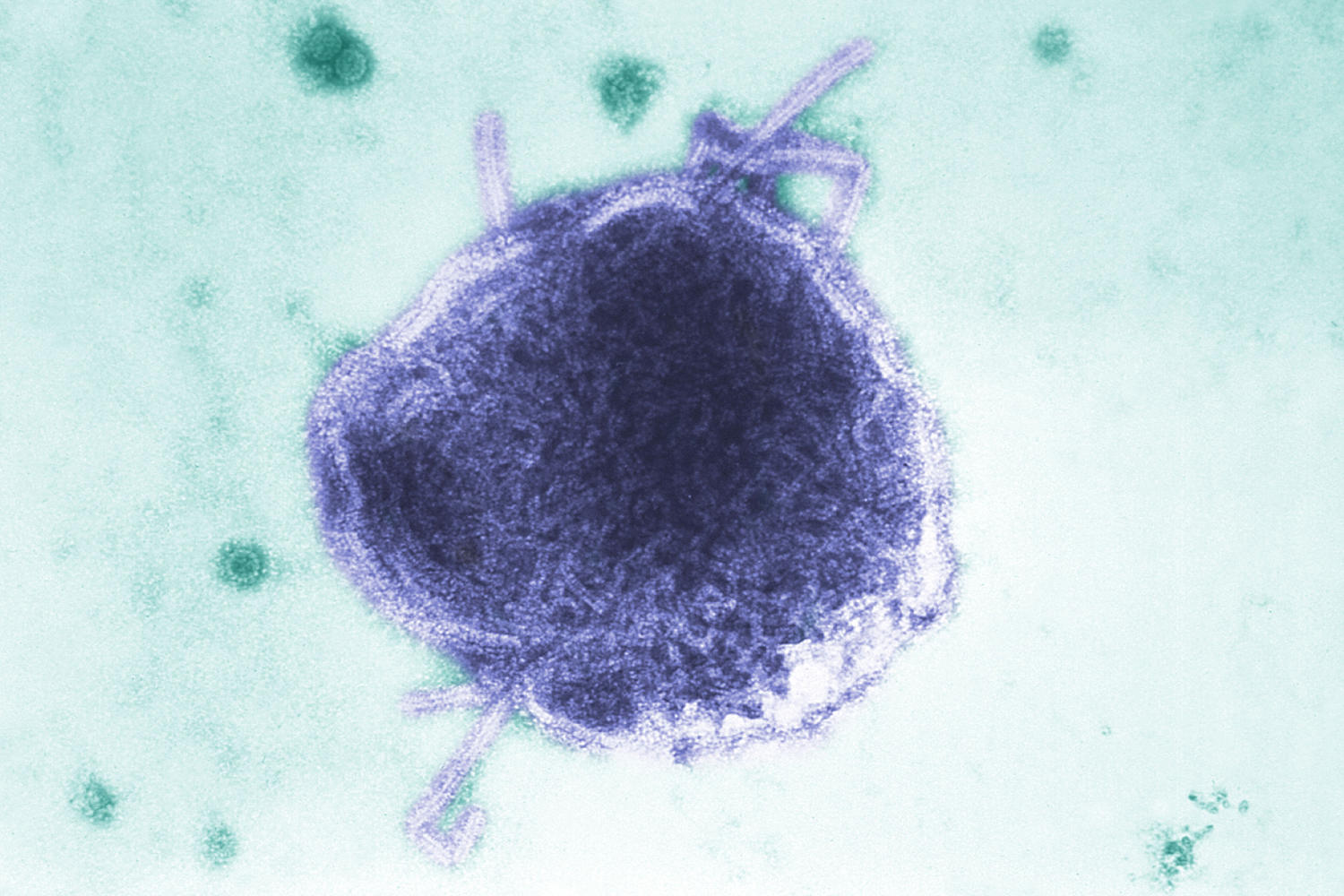
This isn't the standard Ebola flare-up we have grown accustomed to managing. The current crisis hitting eastern DRC's Ituri province and crossing into Kampala isn't the familiar Zaire strain. It's the Bundibugyo virus. That distinction matters immensely. It changes the entire playbook for containment, treatment, and survival.
http://googleusercontent.com/image_content/189
The Empty Medical Arsenal Against Bundibugyo
When the devastating West African outbreak struck a decade ago, the global medical community poured billions into developing countermeasures. We got the highly effective Ervebo vaccine. We got advanced monoclonal antibody treatments like Inmazeb and Ebanga.
None of them work against this strain.
The Bundibugyo virus is genetically distinct enough from the Zaire variant that our current vaccines and therapeutics offer zero protection. This is only the third time in history this specific virus has reared its head. The previous outbreaks in Uganda in 2007 and DRC in 2012 were relatively small, meaning drug companies never found it financially viable to finalize a dedicated Bundibugyo vaccine.
Right now, clinical staff on the ground in hotspots like Bunia, Mongbwalu, and Goma are flying blind. They are forced to rely entirely on basic supportive care. We are talking about basic intravenous fluids, oxygen, and treating secondary infections. Without specific antivirals, the case fatality rate for this strain historically hovers between 30% and 50%. When you have no targeted weapons, a medical response reverts to nineteen-seventies style isolation and hoping the patient's immune system wins the race.
Why Containment is Failing in the Gold Fields
The geography of this outbreak explains why it exploded so fast before authorities realized what was happening. The ground zero for this mess appears to be the Mongbwalu health zone in Ituri province. It is a massive, chaotic gold-mining hub.
Mining towns are transient by nature. Thousands of informal laborers move in and out of these camps daily, living in cramped conditions with virtually no formal sanitation. If you get sick in a remote mining camp, you don't go to a state-of-the-art hospital. You go to an informal local clinic or a traditional healer. By the time the central government or the WHO gets an alert, the virus has already hitched a ride on a dozen motorbikes to neighboring cities.
Local healthcare workers are bearing the brunt of this structural failure. In the opening days of May, four medical staff in Mongbwalu died within just four days of each other. That is a classic indicator of a hemorrhagic fever ripping through a facility lacking personal protective equipment.
To make matters worse, Ituri and North Kivu are active conflict zones. Armed rebel groups operate throughout the region. Tracking down 668 known contacts across these territories isn't just a medical challenge; it's an operational nightmare where field teams risk getting shot. People flee violence, crossing the porous border into Uganda to seek safety or better medical care. That's exactly how two independent, unlinked cases ended up in intensive care units in Kampala last week.
The Immediate Global Response and Travel Restrictions
The international panic button has been pushed. The U.S. Centers for Disease Control and Prevention immediately announced a strict 30-day entry ban on foreign nationals who have traveled through the DRC, Uganda, or South Sudan within the last 21 days. Enhanced screening measures are popping up at major international transit hubs.
The concern hits close to home for western aid agencies too. An American missionary doctor, Peter Stafford, tested positive while treating patients at a hospital in Bunia. He and six other exposed Americans are being evacuated to specialized isolation facilities in Germany.
Meanwhile, the WHO has managed to fly 17 tons of emergency supplies into Bunia, including tents, mobile laboratory teams, and personal protective gear. Local testing capacity is being built from scratch because you cannot manage an outbreak if you have to wait days for blood samples to fly to Kinshasa for PCR testing.
What Needs to Happen Right Now
The window to prevent a massive regional epidemic is closing fast. Western countries and international donors cannot just throw money at the problem and expect it to vanish. The response requires tactical shifts on the ground.
First, regional governments must immediately deploy cross-border surveillance teams. The border between northeastern DRC and western Uganda is essentially invisible to local traders and pastoralists. Setting up temperature checks and handwashing stations at informal crossings is far more effective than shutting down official border posts, which only drives people to use unmonitored bush paths.
Second, the international community needs to fast-track any experimental Bundibugyo vaccine candidates sitting in research pipelines. We cannot wait for this to reach a critical mass before starting phase-one trials.
Finally, if you are an aid worker, journalist, or logistics contractor planning travel to East or Central Africa, review your itineraries. Avoid any non-essential travel to Ituri, North Kivu, and the surrounding border districts of Uganda. If you must operate in these regions, enforce strict hand hygiene, avoid medical facilities that lack clear infection control protocols, and monitor yourself for fever, acute muscle pain, and gastrointestinal symptoms for at least 21 days after departing.
Ebola Outbreak Update provides an on-the-scene broadcast breaking down the rapid escalation of the virus and the subsequent international travel restrictions.