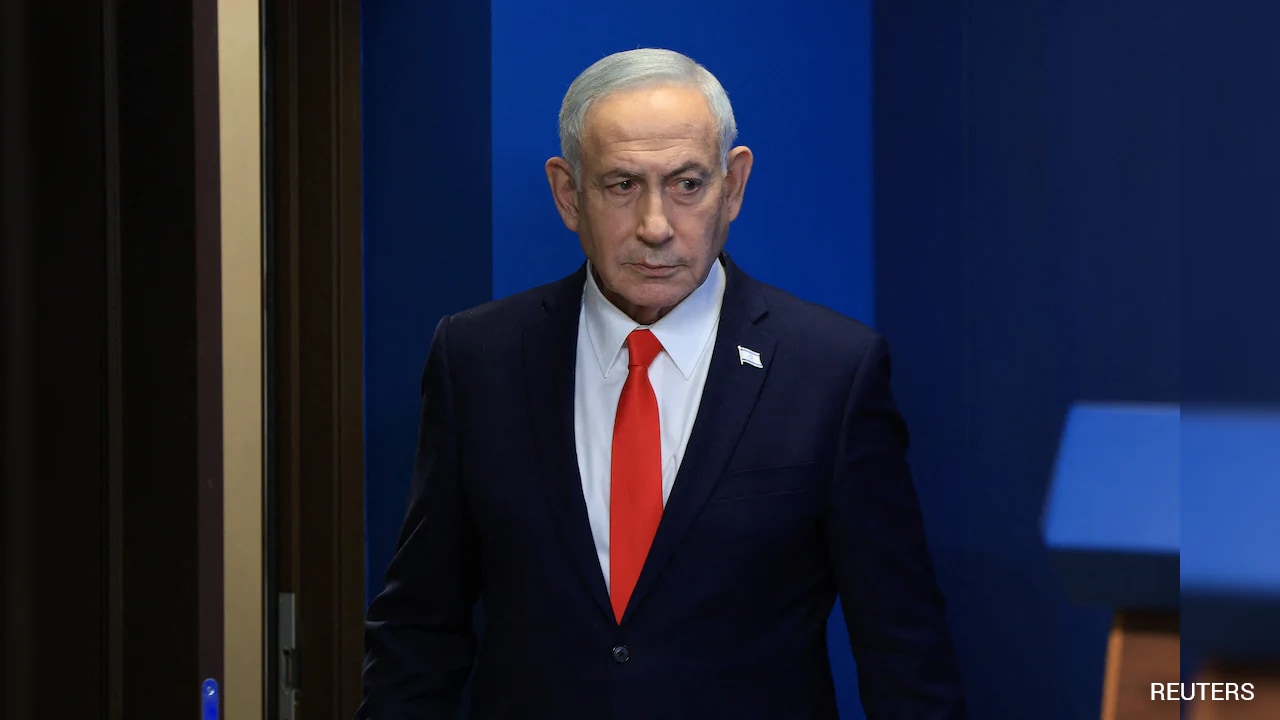
The headlines write themselves. Prime Minister Benjamin Netanyahu steps up to a microphone, condemns a rogue attack by radical settlers on a West Bank village, and the international commentariat breathes a collective sigh of relief. Finally, sanity. Finally, a line drawn in the sand.
Except the entire framing is a mirage.
For decades, political analysts, Western diplomats, and mainstream media outlets have peddled a lazy consensus: that West Bank settler violence is an administrative aberration, a security failure of law enforcement, or the work of a fringe element operating outside the boundaries of the state. Condemnations are issued, statements are parsed for sincerity, and everyone pretends that the system itself is fundamentally opposed to the phenomenon it chastises.
This is not just wrong. It is a dangerous misunderstanding of how power actually operates in contested territories. Netanyahu condemning settler violence is not a corrective measure; it is a pressure valve.
The Mechanics Of Denunciation
Let us drop the diplomatic theater and look at structural reality. When political leadership condemns localized vigilantism while simultaneously maintaining the bureaucratic, legal, and military architecture that makes expansion possible, you are watching a managed friction strategy, not a genuine crackdown.
I have spent years analyzing conflict zone logistics and state-adjacent movements. The dirty secret of statecraft is that informal actors often achieve policy objectives that official channels cannot touch due to diplomatic constraints.
Consider a simple strategic matrix:
- Official Policy: De facto territorial consolidation through infrastructure and zoning dominance.
- Informal Pressure: Radical fringe actions that accelerate local displacement through intimidation.
- Public Relations: High-profile condemnations that satisfy international law requirements without altering boots-on-the-ground outcomes.
When a village is targeted, the outcry focuses entirely on the perpetrators with matches and stones. It ignores the zoning boards, the road permits, the military escorts, and the budgetary allocations that laid the track long before the train arrived. By reducing a structural geopolitical campaign to a law-and-order policing problem, commentators fall directly into the trap. You cannot arrest your way out of a systemic design.
Why The Standard Narrative Fails
The conventional media cycle treats these flashpoints as anomalies. Every time a retaliatory riot occurs, journalists scramble to frame it as a breakdown of order.
That is an inversion of the truth.
Order is precisely what is being maintained, just a different kind of order than the one advertised in press briefings. When leaders label these acts as "violating the law," they are invoking a legal framework that they routinely bypass, rewrite, or suspend depending on the demographic map they wish to draw.
If you want to understand why these flashpoints persist despite prime ministerial reprimands, look at the incentive structures. Punitive measures against violent actors are routinely sluggish, rarely enforced with maximal severity, and counterbalanced by systemic protections that render deterrence toothless. A stern speech in Jerusalem does nothing to change the calculus of an outpost builder who knows that time, geography, and creeping facts on the ground ultimately trump any temporary diplomatic embarrassment.
The Counter-Intuitive Reality
Stop asking whether Netanyahu means his condemnations. It is the wrong question.
The right question is: what utility do these condemnations serve for the regime issuing them?
They serve to insulate the broader enterprise from international sanctions. They provide a rhetorical shield for foreign ministries in Washington and London to argue that the system is self-correcting. "Look," the diplomats say, "their own leader called it illegal." This buys months, sometimes years, of diplomatic immunity while the underlying structural reality solidifies.
The contrarian truth is stark. The violence is not a malfunction of the machine; it is the friction generated by the machine doing exactly what its architects designed it to do, shielded by the very leaders who pretend to deplore it.
Until the international community stops treating symptoms and starts dismantling the legal and logistical framework of annexation, every condemnation remains nothing more than performance art.
Drop the microphone. Stop buying the script.