Democratic lawmakers are sounding the alarm on Pete Hegseth’s capacity to handle the Iranian nuclear and proxy threat, arguing his past rhetoric suggests a preference for kinetic action over the grueling, unglamorous work of regional containment. The concern centers on whether Hegseth, a decorated combat veteran but a newcomer to the labyrinthine world of Pentagon procurement and geopolitical grand strategy, can manage the delicate balance required to prevent a regional conflagration. It is not just about his background; it is about a fundamental shift in how the Department of Defense might view the "red lines" that have kept the Middle East from total war for decades.
The Gap Between Combat Command and Global Strategy
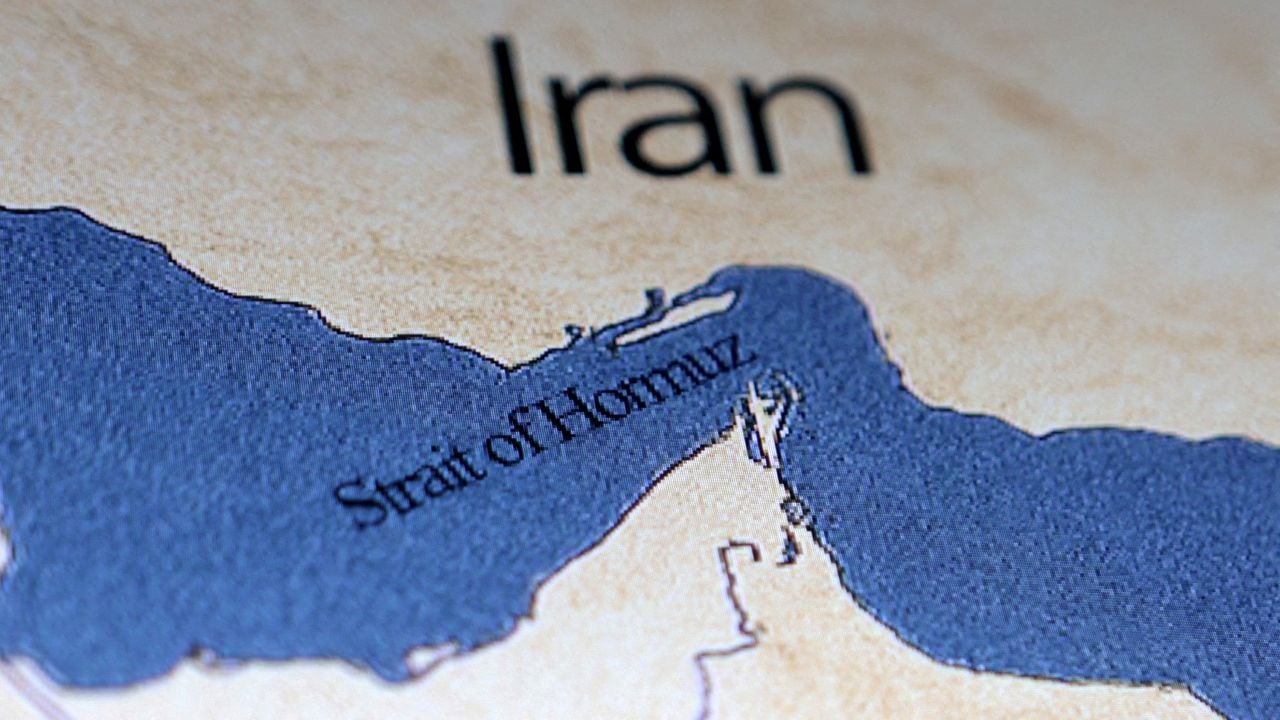
Tactical proficiency on the battlefield does not always translate to the nuanced decision-making required at the E-Ring of the Pentagon. While Hegseth’s supporters point to his service and his deep understanding of the "warfighter" mentality, critics in the Senate focus on the gulf between winning a firelight and managing a nuclear-armed adversary. The Secretary of Defense must be a diplomat as much as a general. They must weigh the immediate gratification of a retaliatory strike against the twenty-year ripple effects on global oil markets, European alliances, and the stability of the Strait of Hormuz.
The current friction in Washington stems from Hegseth’s previous public statements regarding preemptive strikes on Iranian infrastructure. In the high-stakes environment of the Persian Gulf, a single misinterpreted movement can trigger a cascade of escalations. Democratic senators argue that Hegseth’s record reflects a "zero-sum" worldview that leaves little room for the de-confliction channels that are essential when dealing with a regime as unpredictable as the one in Tehran.
The Institutional Resistance Within the Pentagon
The Pentagon is a massive, slow-moving organism that relies on predictability. When a leader enters with a mandate to "shake things up," the institutional immune system often kicks in. Hegseth isn't just facing political opposition from across the aisle; he is walking into a building where the Joint Chiefs and the civilian career staff value long-term stability above all else.
If Hegseth pushes for a more aggressive posture toward Iran, he will find himself at odds with a military leadership that is currently stretched thin by the war in Ukraine and the growing shadow of China in the Pacific. The U.S. Central Command (CENTCOM) has spent years building a fragile architecture of partnerships with Arab nations. A sudden pivot toward direct confrontation with Iran could alienate these allies, many of whom are within range of Iranian missiles and prefer a strategy of economic pressure over open warfare.
The Economic Fallout of Miscalculation
War is a business of logistics and risk management. For the Secretary of Defense, the primary concern is the readiness of the force, but the secondary concern is the economic cost of conflict. Iran’s primary weapon is not its aging air force, but its ability to choke the world’s energy supply.
The Strait of Hormuz remains the world's most important oil transit chokepoint. Approximately 20% of the world's liquid petroleum passes through this narrow stretch of water.
If a more aggressive U.S. stance leads to a skirmish that shuts down the Strait, even for a week, the global economy would face a shock not seen since the 1970s. This is the reality that veteran analysts say Hegseth must confront. It is easy to advocate for "taking the fight to the enemy" from a television studio; it is much harder to do so when the consequence is a global recession and $10-per-gallon gasoline at home.
Why the Iran Nuclear Deal Still Haunts the Conversation
Even though the JCPOA (Joint Comprehensive Plan of Action) is effectively a dead letter, its ghost still dictates the terms of the debate. Hegseth has been a vocal critic of any form of diplomatic engagement that allows Iran to retain its enrichment capabilities. However, the alternative to a deal is not a vacuum; it is a rapid Iranian breakout toward a nuclear weapon.
If Hegseth moves to dismantle what remains of the diplomatic framework, the U.S. moves closer to a binary choice: accept a nuclear-armed Iran or go to war to stop it. Critics argue that Hegseth lacks the "strategic patience" required to navigate the third option—a combination of clandestine operations, cyber warfare, and international sanctions that slows the program without triggering a full-scale invasion.
The Intelligence Community Disconnect
A significant portion of the Senate's skepticism involves how Hegseth will interact with the intelligence community. There is a long history of civilian leaders at the Pentagon "cherry-picking" intelligence to support a preconceived policy goal. We saw this in the lead-up to the 2003 invasion of Iraq.
The fear among veteran analysts is that Hegseth will prioritize intelligence that supports a more hawkish stance while dismissing data that suggests Iran is open to de-escalation. This "confirmation bias" is a recurring theme in American foreign policy failures. To be effective, Hegseth must prove he can listen to the uncomfortable truths presented by the CIA and the Defense Intelligence Agency (DIA), even when those truths contradict his public personas.
Proxy Warfare and the Grey Zone
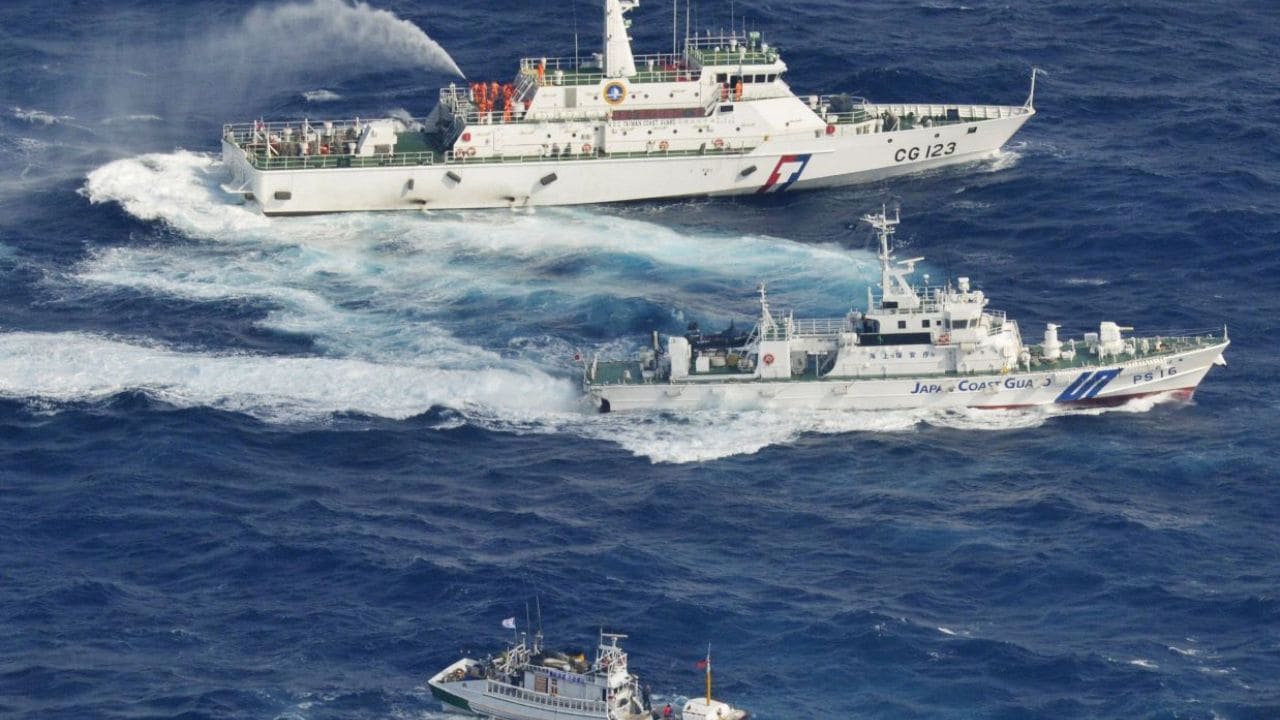
Iran rarely fights its own battles. Through the "Axis of Resistance"—consisting of Hezbollah in Lebanon, the Houthis in Yemen, and various militias in Iraq and Syria—Tehran can strike U.S. interests with a degree of deniability.
The challenge for any Defense Secretary is responding to these proxy attacks without being drawn into the "Grey Zone" trap. If you overreact, you play into Iran's hands by appearing as the aggressor on the world stage. If you underreact, you invite more attacks. Hegseth’s critics worry that his instinct will be to strike the "head of the snake" in Tehran, a move that could ignite a multi-front war that the U.S. is not currently positioned to win decisively without a massive mobilization of troops.
The Reality of Force Posture
Despite the rhetoric, the U.S. military footprint in the Middle East has been shrinking as the focus shifts to the "Great Power Competition" with Russia and China. This creates a dangerous "capabilities gap."
- Carrier Strike Groups: These are often diverted from the Pacific to the Gulf, leaving vulnerabilities elsewhere.
- Missile Defense: Systems like the Patriot and THAAD are in high demand globally, leaving U.S. bases in the Middle East potentially exposed to Iranian drone swarms.
- Munitions Stockpiles: The war in Ukraine has depleted the very weapons systems—like precision-guided missiles—that would be vital in a conflict with Iran.
Hegseth will have to manage these shortages while maintaining a credible deterrent. It is a math problem as much as it is a political one. If he cannot secure the funding and the production lines needed to replenish these stocks, his aggressive stance will be viewed by Tehran as a hollow bluff.
The Credibility of the Deterrent
Deterrence only works if the adversary believes you are willing to use force, but also believes you are sane enough to stop. If Iran perceives the U.S. leadership as being bent on regime change regardless of Tehran’s actions, then Iran has no incentive to hold back. They might as well go for the nuclear finish line.
The Senate's role in the confirmation process is to determine if Hegseth understands this psychological component of warfare. He needs to demonstrate that he isn't just looking for a fight, but looking for a way to prevent one through the credible threat of overwhelming force. This requires a level of nuance that hasn't always been present in his public commentary.
The Shadow of the 2026 Midterms
Political pressure also plays a role. Any Secretary of Defense appointed now is operating with one eye on the domestic political calendar. A conflict with Iran would likely rally some of the base, but a prolonged, expensive stalemate would be a political disaster. Hegseth is being viewed through this lens—is he a "war cabinet" appointee designed to fire up the electorate, or is he a serious administrator capable of the boring, repetitive work of maintaining an empire?
The question isn't just whether Pete Hegseth is "ready" for Iran. The question is whether the American public is ready for the consequences of a Defense Secretary who treats the most volatile region on earth as a stage for ideological clarity rather than a puzzle of infinite complexity.
The Senate hearings will likely focus on his specific plans for the IRGC (Islamic Revolutionary Guard Corps) and his willingness to uphold existing maritime security agreements. If he remains vague, the opposition will only grow louder. The Pentagon cannot afford a leader who is learning on the job while the centrifuges in Natanz are spinning at full speed.
The security of the next decade may well depend on whether the man at the top of the chain of command understands that in the Middle East, the most powerful move is often the one you choose not to make.
The path forward requires a leader who can balance the raw power of the American military with the cold reality of global interconnectedness. If Hegseth cannot bridge that gap, the "fault" the Senators find today will be the crisis the world deals with tomorrow.
Hold the line on the carrier deployments and watch the enrichment levels. That is the only scoreboard that matters.