Labor rights don't vanish overnight. They get crushed slowly, quietly, and systematically until someone yells loud enough to force you to look.
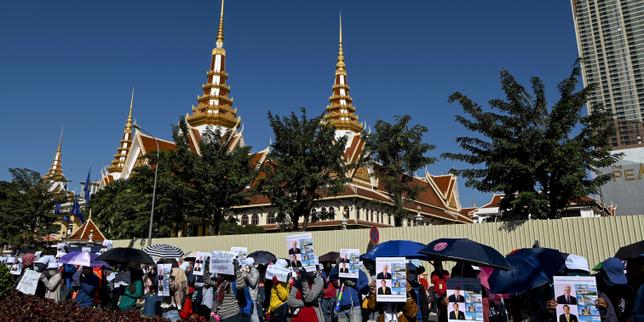
That is what happened outside the NagaWorld casino in Phnom Penh. Hundreds of workers, mostly women, walked off the job and stayed on the pavement for months on end. They did not do it for fun. They did it because their union was working too well, and management decided to wipe the slate clean under the guise of pandemic restructuring. Also making news in this space: Inside the Surab Airstrike Crisis The Shrouded War Raging in Balochistan.
If you think this is just a local Cambodian labor dispute, you are missing the entire plot. This strike represents the blueprint for how modern corporations deal with organized labor when profits trump people.
The Rise and Fall of Labor Power at NagaWorld
Let's look at the actual mechanics of what happened. NagaWorld isn't just any casino. It is a massive, highly profitable monopoly dominating the entertainment and gambling sector in Cambodia's capital. For years, the Labor Rights Supported Union of Khmer Employees of NagaWorld built genuine collective power inside those walls. Further details into this topic are covered by The Guardian.
They negotiated better wages. They pushed back against unfair dismissals. They forced management to respect basic labor laws that owners usually treat as optional suggestions.
And that was their fatal flaw. They became too effective.
When the pandemic hit, the casino used the health crisis as a convenient smoke screen. Management laid off over a thousand workers in a single sweep. But look closer at the termination lists. The vast majority weren't random low-performers. They were union leaders, active members, and outspoken advocates.
Mass layoffs disguised as economic necessity are a classic corporate playbook move. Companies across the globe use global downturns to purge troublemakers. NagaWorld wrote the textbook on how to break a union while smiling for the press release.
Why Women Bore the Brunt of the Fight
You cannot understand this struggle without looking at the demographic makeup of the workforce. The striking workers were predominantly women. They worked as cleaners, dealers, and hospitality staff—the backbone of the casino's daily operations.
Society often expects low-wage women workers to stay quiet, accept wage cuts, and feel grateful for whatever scraps fall off the corporate table. These women shattered that expectation completely.
They stood outside in the tropical heat day after day. They brought their children. They faced police harassment, arbitrary arrests, and legal intimidation. The courts kept throwing out their demands, declaring the strike illegal under strict local laws that heavily favor corporate interests.
Yet they refused to disperse.
When you criminalize peaceful assembly, you stop pretending to care about the rule of law. The Cambodian government and the casino owners operated as a tight unit. Local authorities used health regulations, traffic laws, and public order ordinances to harass the strikers. They loaded women onto buses, hauled them away, and dumped them on the outskirts of the city.
The message was clear. Fall in line or get erased.
The Broader Impact on Global Supply Chains and Entertainment
Why should anyone outside of Phnom Penh care about a casino strike in Southeast Asia? Because global capital operates with total impunity.
Investors love emerging markets because labor is cheap and regulations are weak. When workers dare to organize, international brands and local monopolies push back with state-backed force. If NagaWorld gets away with breaking a legitimate union through intimidation and mass firings, it signals to every corporation in the region that union-busting has zero real consequences.
Look at how international watchdogs and human rights organizations responded. Groups like Amnesty International and various international labor confederations condemned the arrests. But condemnation doesn't pay rent. It doesn't get fired workers their jobs back. It doesn't stop security guards from locking union representatives out of the building.
Corporate social responsibility reports love to talk about ethical standards and employee welfare. The reality on the pavement in Phnom Penh exposes those reports as expensive fiction.
What Actually Works When You Fight Corporate Power
If you want to understand how real change happens, you have to look at endurance. The NagaWorld strikers lasted for years, not days or weeks. They sustained their movement through sheer solidarity, pooling whatever little money they had left to feed each other.
They taught us a brutal lesson about modern labor struggles. Institutional systems—courts, labor ministries, corporate boards—are rarely neutral. When workers challenge entrenched wealth, the state steps in to protect the balance sheet, not the citizen.
Support for movements like this cannot just be passive. If you consume entertainment, travel, or invest in global entertainment hubs, pay attention to where the money comes from and who pays the human cost. Demand transparency from institutional investors who fund operations with notorious labor practices. Share these stories when mainstream media outlets bury them beneath financial earnings reports.
The women of NagaWorld showed up every single day to prove that collective dignity matters more than corporate bottom lines. They lost their jobs, but they exposed the raw machinery of modern exploitation for the whole world to see.