The Western media has spent decades chasing a ghost. They call it the "Iranian Moderate." This fictional character—usually a Western-educated academic with a penchant for soft rhetoric—is the white whale of American foreign policy. When the Trump administration exited the JCPOA and the Israeli security establishment intensified its shadow war, the chattering classes mourned the "death of moderation" in Tehran.
They got it backwards. You cannot kill something that never truly held the levers of power.
The narrative that external pressure "destroyed" a burgeoning democracy in Iran is a comforting lie. It suggests that if we were just nicer, or more patient, or more generous with sanctions relief, the Islamic Republic would magically transform into a liberal partner. It ignores the structural reality of the velayat-e faqih. The idea that "hardliners" have only now "stepped into a power vacuum" is laughable. The military and clerical elite didn't step into a vacuum; they are the floor, the walls, and the ceiling of the house.
The Moderate Mirage
Let’s be precise. In the context of Tehran, "moderate" is a relative term that has been stretched until it is meaningless. Hassan Rouhani and Javad Zarif were not reformers in the sense of wanting to dismantle the revolutionary state. They were the "good cops" sent to the international bazaar to negotiate a better price for the regime's survival.
The West fell for the costume. We mistook a change in tactical approach for a change in strategic intent.
The Supreme Leader, Ali Khamenei, has always maintained a binary system. He allows a "moderate" face to handle diplomacy when the treasury is empty, and he lets the Islamic Revolutionary Guard Corps (IRGC) handle the "resistance" when the treasury is full. External pressure didn't kill the moderates; it simply made their specific skillset—lying to Europeans in expensive suits—less useful to the Supreme Leader. When the deal died, the "moderate" utility died with it.
The IRGC Was Never in the Shadows
The competitor narrative suggests the military is "stepping in." This implies they were previously sidelined. I’ve watched analysts make this mistake for twenty years, and it costs lives.
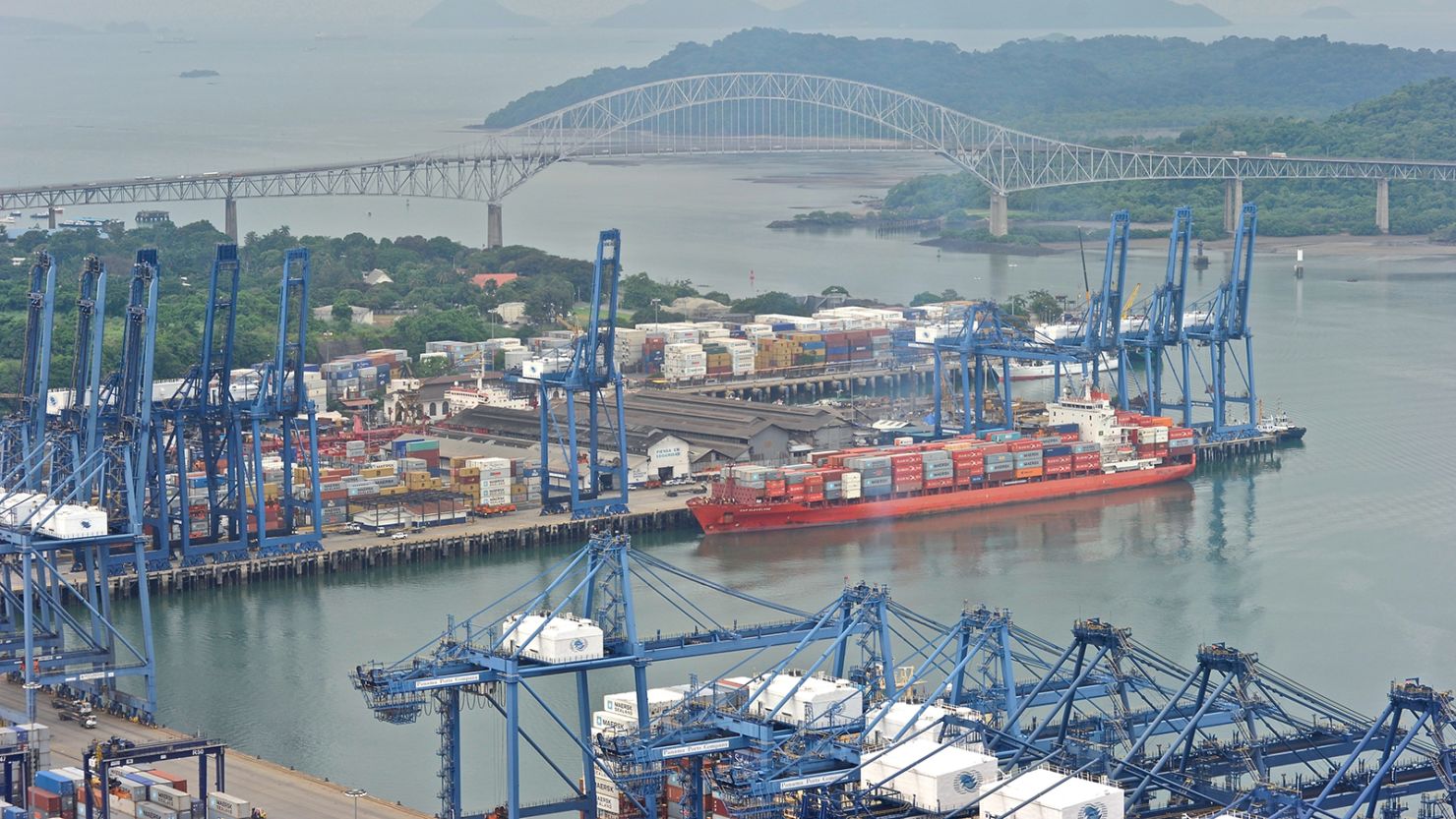
The IRGC is not a traditional military. It is a multi-billion dollar conglomerate with a private army. It controls somewhere between 30% and 50% of the Iranian economy. They own the construction companies, the telecommunications firms, and the ports. To suggest they are "gaining power" is like saying the ocean is "gaining water" during a high tide. They have been the primary stakeholders of the state since the mid-2000s.
Trump’s "Maximum Pressure" campaign and Israel’s kinetic operations didn't create a hardline shift. They forced the regime to drop the mask. The "vacuum" people talk about was actually just the departure of the PR team.
Why the "Pressure Creates Hardliners" Argument is Broken
The most common pushback is the "backfire effect." The logic goes: If we squeeze them, we empower the radicals. This is a fundamental misunderstanding of how autocratic regimes maintain internal legitimacy. Hardliners don't need a "reason" to be hardliners. Their entire identity is built on the premise of an external enemy. If the U.S. is friendly, the hardliners claim we are trying to infiltrate and subvert. If the U.S. is hostile, they claim we are trying to oppress.
The variable isn't the existence of the hardliners; it’s their capability.
- Resource Depletion: You cannot fund a regional proxy war with "moderate vibes." You fund it with oil revenue.
- Internal Friction: When the regime cannot provide basic services due to mismanagement and pressure, the IRGC has to turn its guns inward.
- Strategic Clarity: Decoupling the "moderate" facade from the state allows for a clearer assessment of the threat.
The real danger isn't a "hardline" Iran. A hardline Iran is honest about its intentions. The danger is a "moderate" Iran that builds a nuclear infrastructure under the cover of a smile and a handshake while the West waits for a "thaw" that is never coming.
The False Choice of 2026
We are told we have two choices: return to the diplomacy of the mid-2010s or face an inevitable regional war led by an unchecked military elite.
This is a false binary.
The third path is acknowledging that the Islamic Republic is an ideological project, not a Westphalian state looking for a seat at the table. Whether the person sitting across from you is a cleric or a general, the goal remains the same: regional hegemony and the preservation of the revolutionary core.
If you think Israel’s targeted strikes or U.S. sanctions "radicalized" the IRGC, you haven't been paying attention to their internal literature. They were radicalized in 1979. They haven't changed their playbook; they’ve just stopped pretending they care what the New York Times thinks of them.
Dismantling the "Power Vacuum" Theory
The "power vacuum" is a Western projection. We see a lack of visible, English-speaking diplomats and assume no one is in charge. In reality, the consolidation of power under the IRGC and the ultra-conservatives is a sign of regime stability, not chaos. They are circling the wagons.
When Ebrahim Raisi took the presidency, it wasn't a "stolen" election in the way Westerners think. It was a corporate merger. The Supreme Leader was consolidating the executive branch into the security apparatus to ensure a smooth succession when he eventually passes.
The IRGC doesn't want a "hardline" state because they are angry at Trump. They want a hardline state because it is the only environment in which their massive economic and political monopolies can survive. Reform is a threat to their bottom line. Therefore, they will never allow it.
Stop Looking for a Gorbachev
The persistent hope for an "Iranian Gorbachev" is the ultimate foreign policy failure. Gorbachev happened because the Soviet system reached a point of total exhaustion and he mistakenly believed he could save the core by loosening the shell.
The Iranian leadership learned from the Soviet collapse. They watched 1989 and 1991 with horror. Their takeaway? Never loosen the shell. Never allow a "moderate" to actually reform the system.
When the West rewards "moderates," we aren't helping reformers; we are subsidizing the very security apparatus that keeps the reformers in jail. The money from the JCPOA didn't go to building tech startups in Tehran; it went to the Quds Force and the development of the ballistic missile program.
The Brutal Reality of Iranian Governance
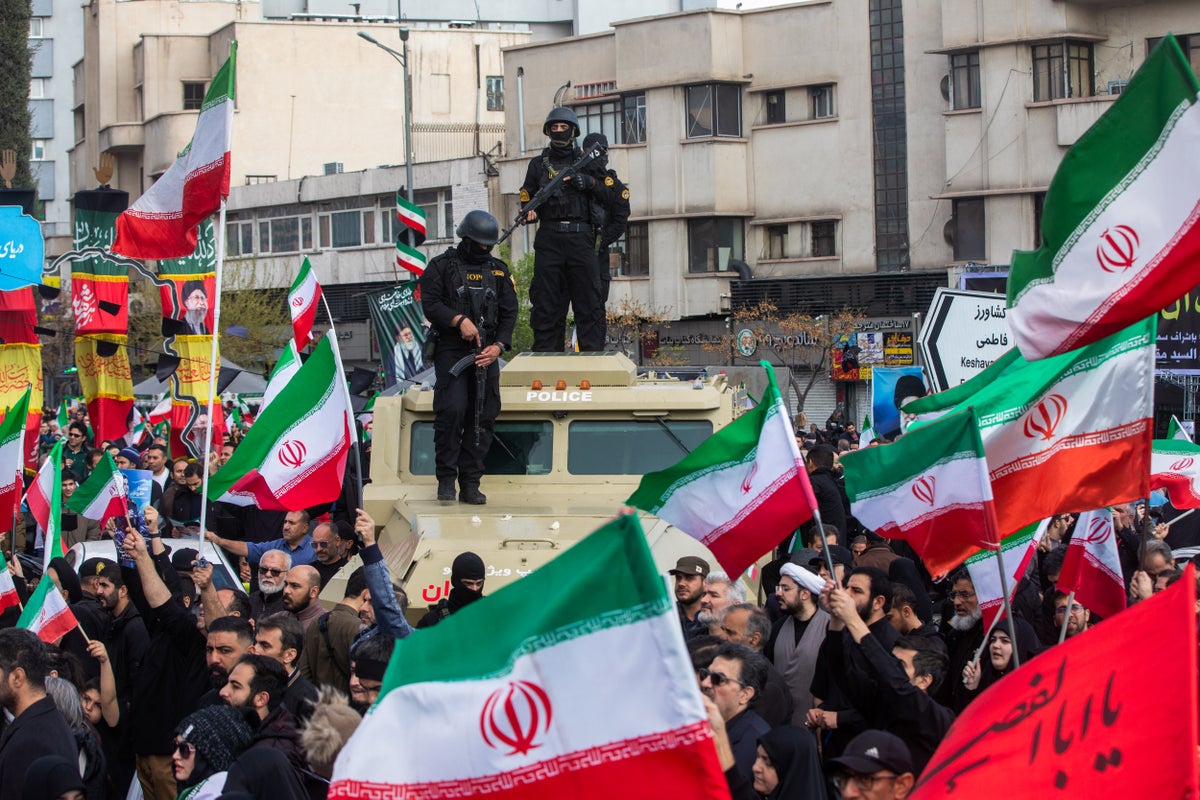
Let’s talk about the "battle scars" of those who actually deal with this regime. Ask the protesters of the "Woman, Life, Freedom" movement if they think the problem is a "lack of moderates." They will tell you that the "moderates" were the ones who stood by while the Basij opened fire. The distinction between the two camps is a luxury afforded only to those who don't have to live under their boots.
We have to stop asking, "How do we get the moderates back?"
The right question is: "How do we manage a regime that has successfully integrated its military, its economy, and its religion into a single, impenetrable monolith?"
The Actionable Truth
If you are a policymaker or an investor looking at the Middle East, delete the word "moderate" from your vocabulary. It is a linguistic trap.
- Assume Continuity: The IRGC is the state. Any deal made with a diplomat that isn't signed off by the military leadership is a scrap of paper.
- Watch the Money, Not the Mouth: Don't listen to what the Foreign Ministry says in Geneva. Watch where the IRGC’s engineering wing, Khatam al-Anbiya, is moving its assets.
- Understand the Succession: Everything happening in Iranian politics right now is about the post-Khamenei era. The "hardline" shift is a pre-emptive strike against internal instability.
The competition thinks the "military stepped in" because of a shift in U.S. policy. The reality is much darker: the military never left, and they’ve spent the last decade making sure that no one else ever can.
Stop mourning the death of a moderate movement that was, at best, a temporary shield for the most dangerous elements of the regime. The mask is off. Deal with the face underneath.