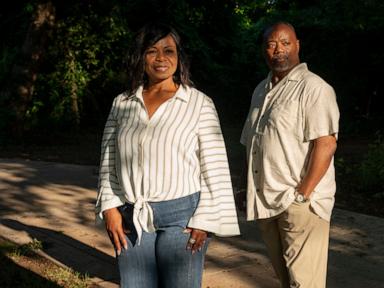
The fight over tribal citizenship in Oklahoma just took a massive turn. Two Black descendants of people once enslaved by the Muscogee Nation filed a federal lawsuit in U.S. District Court in Oklahoma City. They aren't asking a federal judge to interpret new law. Instead, they want the federal government to force their own tribal leaders to obey a court order issued by the Muscogee Nation Supreme Court itself.
It sounds upside down, but that's exactly where things stand right now.
Rhonda Grayson and Jeffrey Kennedy won their citizenship case in tribal court. The Muscogee Nation Supreme Court ruled in July 2025 that the tribe must grant them citizenship based on an 1866 treaty. Yet, a year later, they still don't have their citizenship cards. Principal Chief David Hill froze the process, claiming the tribe needs to sort out its constitution first.
When tribal leadership ignores its own highest court, federal intervention becomes the last resort.
The 1866 Treaty and the Blood Controversy
You can't understand this legal fight without understanding the Reconstruction Treaties of 1866. During the Civil War, the Five Tribes—including the Muscogee (Creek) Nation—allied with the Confederacy, largely to preserve their practice of slavery. When the South lost, the U.S. government forced these tribes to sign new treaties.
The Treaty of 1866 contained a plain stipulation: slavery was abolished, and former slaves (known as Freedmen) and their descendants were guaranteed full citizenship rights within the nation.
It worked fine for decades. Then came the Dawes Commission around 1900.
Federal officials went around documenting members to distribute land. They split people into two separate registries:
- Muscogee by Blood: Anyone deemed to have Native ancestry.
- Freedmen: Anyone with African ancestry, regardless of whether they also had Native blood.
That administrative decision created a ticking time bomb. In 1979, the Muscogee Nation adopted a new constitution that restricted citizenship strictly to people listed on the "by blood" roll. Overnight, thousands of Black Creeks lost their voting rights, healthcare access, and political voice.
1866 Treaty signed -> Freedmen granted citizenship -> 1900 Dawes Rolls split records -> 1979 Constitution restricts to "by blood" -> 2025 Tribal Court strikes down "by blood" -> 2026 Federal Lawsuit filed
Why Sovereign Immunity Doesn't Settle Everything
Tribal sovereignty is a real, legally protected power. Native nations have the right to govern themselves and manage their own internal affairs without federal overreach. Muscogee officials often point to this, arguing that citizenship decisions belong strictly inside tribal institutions.
Here's the catch: treaties are federal law.
When a tribe signs a treaty with the U.S. government, that document acts as a binding contract. You can't use tribal sovereignty to erase a bilateral federal agreement.
We've already seen how this plays out. The Cherokee Nation went through a similar battle. In 2017, a federal court ruled that the 1866 treaty guaranteed Cherokee Freedmen full citizenship. The Cherokee Nation accepted the ruling, amended its constitution, and fully restored Freedmen rights.
The Muscogee Nation took a different path. Rather than waiting for a federal hammer to drop, its own tribal supreme court agreed with the Freedmen in 2025. The court declared the "by blood" requirement inconsistent with the 1866 treaty.
Yet, administration officials refused to print the ID cards. Chief David Hill blocked the citizenship board from issuing documents, stalling for constitutional revisions.
That stall tactic is why Grayson and Kennedy are back in federal court today.
The Practical Impact on 100,000 Black Creeks
This isn't an abstract debate over historical paperwork. It directly affects real people right now.
Attorney Damario Solomon-Simmons, who represents the plaintiffs, estimates there are nearly 100,000 Black Creek descendants across the country. Without citizenship cards, these individuals face very real consequences:
- No Voting Rights: They cannot vote in tribal elections or run for tribal office.
- Denied Healthcare: They lose access to Indian Health Service clinics funded by federal dollars.
- No Education Benefits: They are locked out of tribal scholarships and federal assistance designated for tribal citizens.
- Erasure of Identity: They are legally cut off from the culture, land, and heritage their ancestors helped build.
Rhonda Grayson put it clearly: "Every day of non-compliance is another day that Black Creek Freedmen are denied our birthright and our very identity as citizens."
Where the Lawsuit Heads From Here
Federal judges generally dislike stepping into tribal matters. Usually, they throw cases out if the plaintiffs haven't exhausted their remedies in tribal court first.
That argument won't work this time.
The plaintiffs already won inside the tribal court system. They followed every rule, argued their case, and received a favorable Supreme Court ruling. Because tribal executive leadership refuses to enforce its own judicial orders, the federal court has a direct reason to step in.
If the federal court rules in favor of Grayson and Kennedy, it could force the U.S. Department of the Interior to intervene, potentially withholding federal funds until the tribe complies with its treaty obligations.
To track this case or verify your own ancestry, start by requesting historical records through the National Archives to view the original Dawes Rolls. If you're following the legal proceedings, monitor the docket for the U.S. District Court for the Western District of Oklahoma under the names Grayson and Kennedy v. Hill.

