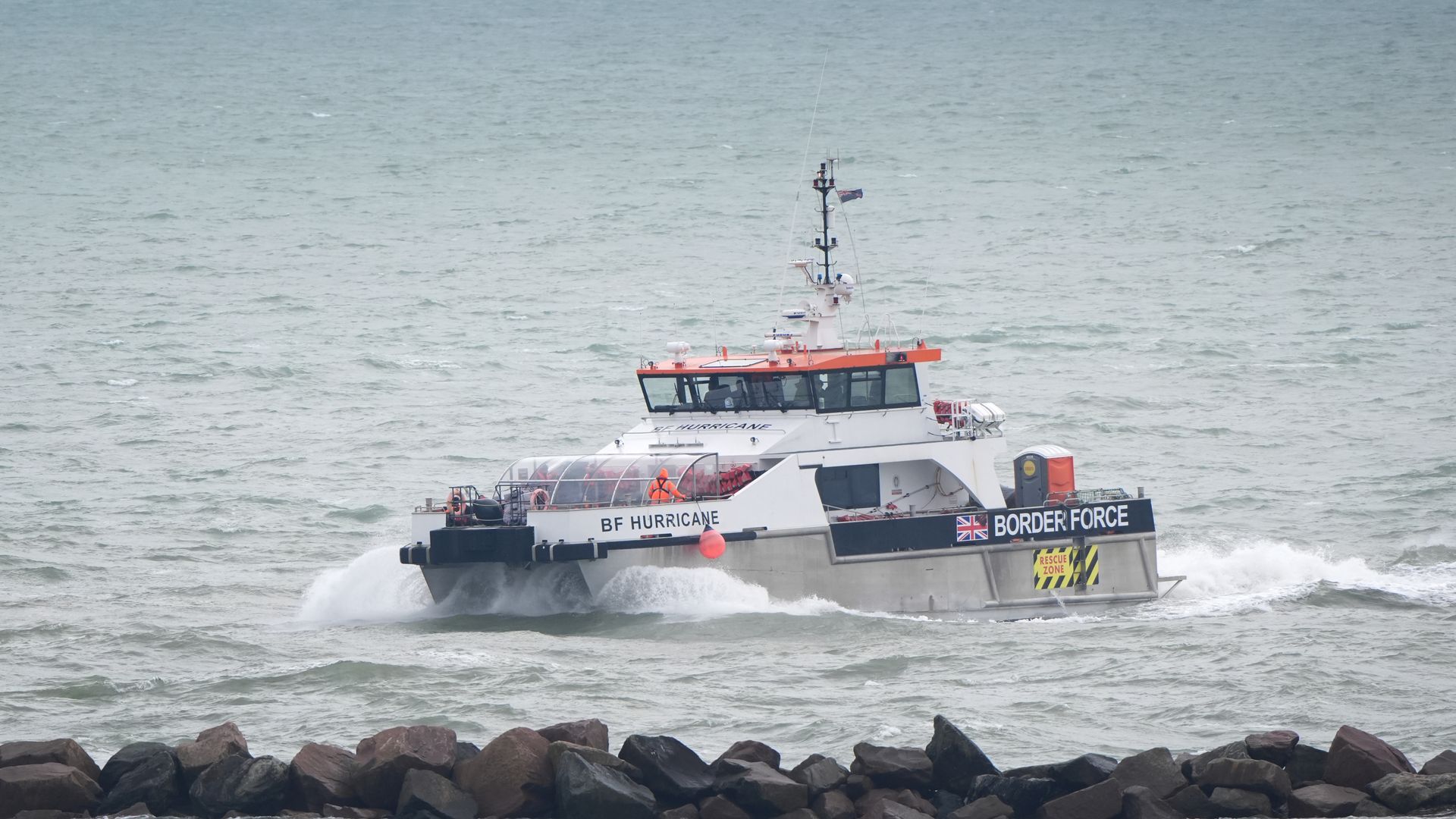
The ink wasn't even dry. Less than a week after the UK government pledged a staggering £478 million to France—part of a larger £650 million package over three years—to stop small boats, the English Channel is busy again. More than 100 migrants were pulled from the freezing waters in a single day. If you're looking for proof that throwing money at a border doesn't immediately buy security, this is it. It’s a messy, expensive reality check.
French authorities reported two separate rescue operations involving 106 people. One group of 56 was stranded off the coast of Gravelines. Another 50 were picked off a struggling vessel near Calais. Everyone survived this time. They were brought back to French shores, given medical checks, and likely released to try again. That’s the cycle. You can pay for more drones and more beach patrols, but the demand for these crossings isn't tied to the British budget cycle. It's tied to desperation and a highly organized smuggling industry that views these deals as a minor overhead cost.
Why Border Cash Injections Don’t Stop the Boats Immediately
People often think these deals act like a light switch. You pay the money, the border shuts. It doesn’t work that way. The £478 million promised to France is intended to fund a brand-new detention center, hundreds of extra French police officers, and high-tech surveillance. But that infrastructure takes months, even years, to build and deploy. Right now, the smugglers are laughing. They know the surge in French patrols hasn't fully materialized yet.
The weather plays a bigger role than the Home Office likes to admit. When the winds drop and the sea flattens, boats go into the water. It doesn't matter if there's a new diplomatic agreement. The smugglers have a backlog of people who’ve already paid thousands of Euros. These migrants are hiding in woods and derelict buildings around Dunkirk and Calais. They aren't reading the UK-France joint communiqués. They're waiting for a gap in the waves.
The French maritime prefecture handles these rescues with a specific protocol. They don't always intercept boats the moment they hit the water. Why? Because forcing a heavily overloaded rubber dinghy to turn around in the middle of a surf zone is a death sentence. It’s dangerous. Instead, they often monitor the boats until they get into genuine trouble, then they move in to save lives. This "rescue vs. prevention" tension is exactly why 100 people can still end up in the water days after a major funding announcement.
The Problem with the £650 Million Strategy
Critics on both sides of the political aisle are pointing at this latest rescue as evidence of failure. But we need to look at what that money is actually buying. The UK is essentially outsourcing its border to French soil.
- Extra Boots on the Ground: The deal funds 500 additional French officers.
- Surveillance Tech: We're talking drones, thermal imaging, and fixed sensors.
- Detention Capacity: A new center in France to hold migrants while their claims are processed or they are deported.
The logic is simple. Make it so difficult to launch a boat that the smugglers give up. But the coastline is vast. It’s over 100 miles of dunes, ports, and rocky outcrops. Even with 500 extra officers, you can't stand guard every ten yards. Smugglers have adapted by moving further down the coast, launching from spots like Boulogne-sur-Mer or even further south, forcing longer and more dangerous journeys.
The UK government insists this is a "long-term" solution. Maybe. But the optics are terrible. When the public hears about half a billion pounds being sent across the Channel, they expect results. Seeing 100 people rescued just days later feels like a slap in the face to the taxpayer. It highlights the disconnect between high-level diplomacy and the gritty, chaotic reality of the French shoreline.
The Human Cost of Policy Delays
We shouldn't forget the people in these boats. These aren't just statistics in a budget debate. The 106 people rescued this week were on vessels that were never meant for the open sea. These are "death traps"—cheap, inflatable rafts with plywood floors and engines that die the moment they hit a swell.
The French coast guard, the Préfecture maritime de la Manche et de la mer du Nord, has been blunt about the risks. They’ve seen a shift in tactics. Smugglers are now packing 50 or 60 people into boats designed for 20. They do this to maximize profit before the new French "super-patrols" kick in. This "beat the clock" mentality makes the Channel more dangerous than ever. If the boat starts sinking, the French are legally and morally obligated to save them. Once they are on a French ship, they go back to France. Then the game starts over.
What the UK Public Gets Wrong About France's Role
There's a common narrative that France "lets them go" to make them the UK’s problem. It’s more complicated. Under international law, you can't just arrest someone for standing on a beach. Unless the French police catch them in the physical act of launching a boat, their powers are limited.
Even when they do stop a launch, what happens? They seize the boat, and the migrants scatter into the woods. Without a massive increase in detention centers—which is what the new £650m deal is supposed to fund—there’s nowhere to put them. The French legal system isn't set up to mass-incarcerate thousands of people who haven't committed a violent crime.
This is the "pull factor" debate. Smugglers tell migrants that once they reach UK waters, they won't be sent back to France. As long as that remains true, the boats will keep coming. The UK's new laws aimed at "stopping the boats" depend on being able to deport people quickly. If the legal challenges keep piling up, the deterrent stays weak.
Practical Realities for the Coming Months
If you're watching this situation, don't expect the numbers to drop overnight. The seasonal "surge" is just beginning. As the weather improves through late spring and summer, the pressure on the French coast will intensify.
Watch for these indicators of whether the £650m deal is actually working:
- Launch Interruption Rates: Instead of counting how many people arrive in Kent, we should look at how many launches are stopped on the French beaches. This is the only real metric for French police effectiveness.
- Smuggler Arrests: The real "kingpins" aren't in the boats. They're in villas in Germany, Belgium, and Turkey. If we don't see high-level arrests, the supply of boats won't stop.
- The New Detention Center: Track the construction progress. Until there is a place to hold migrants in France, the "catch and release" cycle continues.
The rescue of 106 people this week is a reminder that money alone doesn't secure a border. It buys tools, but it doesn't change the underlying motivation of the people trying to cross or the greed of those charging them for the privilege.
If you want to understand the impact of your tax pounds, stop looking at the press releases from Westminster. Look at the weather report for Calais. If the sun is out and the sea is calm, the boats will be there, regardless of how many millions were promised the week before. The next step for the government isn't just spending the money—it's proving that the infrastructure it buys can actually outpace the smugglers' ability to adapt. Until then, expect more "emergency rescues" and more headlines that make the latest deal look like a drop in the ocean.