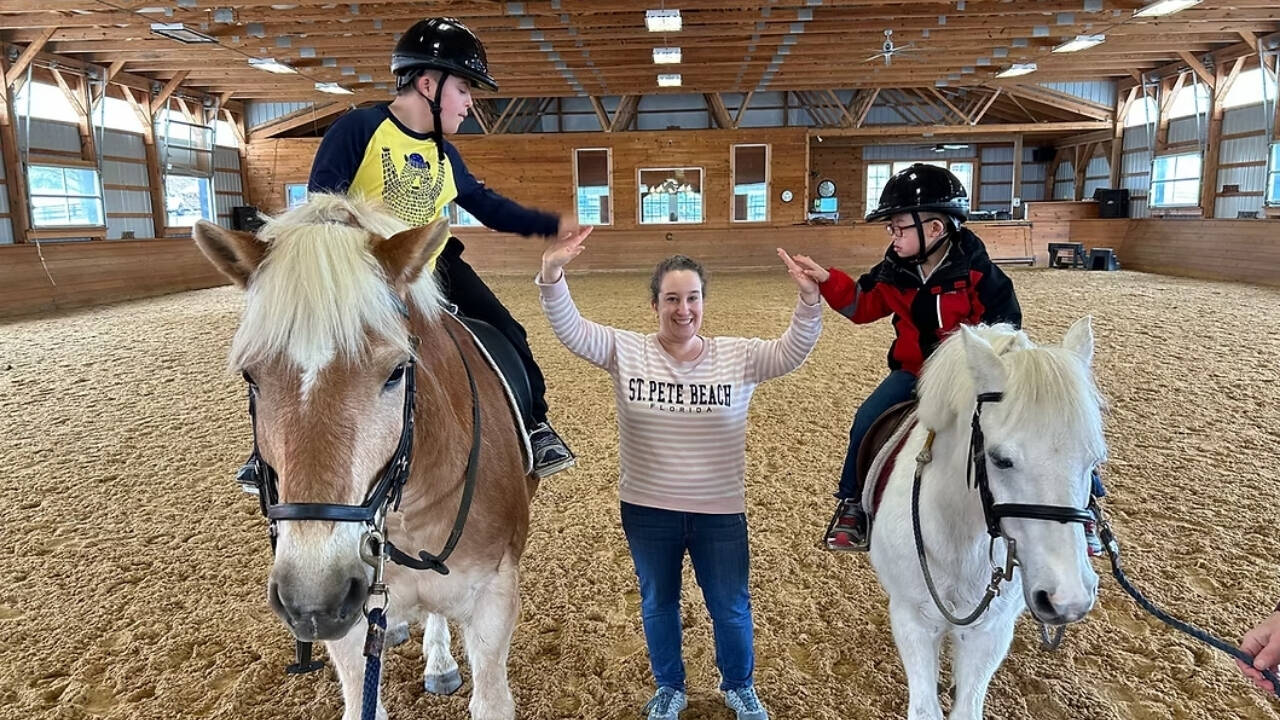
Every time an equestrian property with a noble mission hits the market for an eye-watering sum, the real estate press swoons. The recent listing of a 43-acre Virginia farm attached to an inclusive therapeutic riding program for eight point four million dollars is a classic symptom of a broken industry. The narrative is always the same: a romantic pastoral retreat saving souls through horse therapy, wrapped up in a tidy luxury real estate bow.
It is a fairy tale that masks a glaring operational absurdity.
I have spent decades watching well-meaning donors and flush investors sink fortunes into sprawling brick-and-mortar monuments for equine-assisted activities, confusing real estate acquisition with actual social impact. We need to stop pretending that tying a social program to a multi-million-dollar land asset is noble. It is financially lethal, strategically lazy, and ultimately shortchanges the very populations it claims to serve.
The Asset Trap
Let us look at the math that the glossy brochures ignore. When you tie a non-profit therapeutic riding initiative to forty-three acres of prime Virginia dirt and equestrian infrastructure, you are not investing in disability access. You are buying a high-maintenance liability.
Property taxes, insurance on livestock and riders, arena footing maintenance, climate-controlled barns, and specialized staff eat up capital with ruthless efficiency. Every dollar tied up in equity on a multi-million-dollar farm is a dollar not spent on certified physical therapists, specialized adaptive equipment, or subsidized lesson slots for families who actually need them.
Imagine a scenario where an organization liquidates the real estate overhead, moves its core operations to a leased facility with modular capabilities, and deploys the remaining eight million dollars into an endowment yielding conservative returns. The operational output for disabled riders would triple overnight. But that does not look good in a glossy lifestyle magazine.
The Romance Versus the Reality
The equine industry suffers from a chronic allergy to hard business metrics. Therapeutic riding has genuine, scientifically documented clinical benefits. The rhythmic movement of a horse mimics human pelvic motion, providing profound neurological and muscular input for riders with cerebral palsy, multiple sclerosis, and other motor challenges.
That is the science. Here is the marketing myth: you need a sprawling country estate with custom fencing to achieve it.
You do not. You need trained PATH International certified instructors, physical therapists, safe equines, and accessible mounting ramps. You do not need a sprawling estate featuring luxury viewing rooms, heated wash stalls, and century-old farmhouses converted into administrative offices.
When a property is priced at eight point four million dollars, the buyer pool shrinks to a tiny fraction of ultra-high-net-worth individuals. If the buyer is an investor looking for a return, the riding program gets evicted or squeezed out. If the buyer is a philanthropist, they have locked up a massive amount of illiquid capital in a single asset class that is notoriously difficult to unload during a downturn.
Why People Keep Falling for It
The defenders of these mega-facilities point to community integration and the therapeutic environment of nature. They talk about the mental health benefits of green spaces. These are valid points dressed up as strategic justifications for bad finance.
Nature is free. Access to green space does not require holding a multi-million-dollar mortgage on a sprawling stable complex.
What we are witnessing is the conflation of real estate vanity with charitable efficacy. Wealthy donors love a physical monument. They want their name on a plaque by a grand wooden stable door. They want to sip chardonnay on a veranda while watching children with disabilities interact with gentle giants. It is an aesthetic experience for the donor, disguised as a service for the participant.
The Contrarian Playbook
If you actually care about inclusive recreation for people with disabilities, you do the opposite of what the traditional equestrian market prescribes.
First, decouple the mission from the real estate. Never own the dirt if you can lease it. Real estate appreciation is a real estate strategy, not a social impact strategy.
Second, scale through partnerships. Instead of building a fortress-like sanctuary on forty-three expensive acres, embed adaptive riding programs into existing, high-volume commercial equestrian facilities. Pay for access to their arenas, horses, and staff during off-peak hours. You bypass the capital expenditure of land ownership and instantly scale your geographic footprint.
Third, ruthlessly audit cost-per-participant metrics. If your overhead per rider is thousands of dollars a month because of sprawling facility maintenance, your model is broken.
The eight-point-four-million-dollar Virginia farm is a monument to sentimentality over sense. It is a stunning piece of property, no doubt. But let us stop pretending it is an efficient vehicle for human progress. It is an expensive hobby farm with a good conscience attached, and the non-profit sector deserves better than paying luxury real estate prices to keep horses in style.