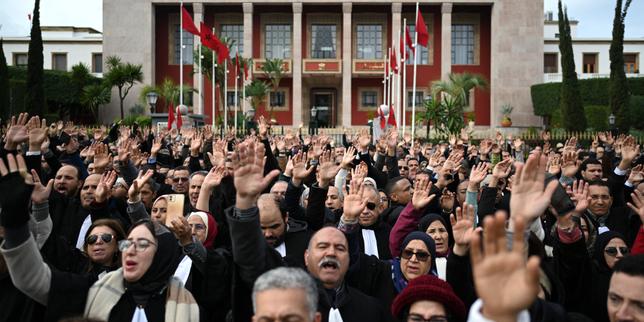
Every mainstream outlet covering the marathon attorneys' strike in Morocco has missed the mark by a nautical mile. The lazy consensus across the press is straightforward: thousands of lawyers walking out for over a hundred days equals a crippled judiciary, stranded litigants, and a total breakdown of the rule of law.
It is the kind of superficial narrative that writes itself. It is also entirely wrong.
I have spent enough time inside procedural bottlenecks and bureaucratic tribunals to know that an active docket does not equal a functioning justice system. Most of what clogs Moroccan courtrooms on any given Tuesday is bureaucratic noise disguised as litigation. When the bar association pulls the plug, they are not destroying the machine. They are forcing a system-wide reboot that the Ministry of Justice was too cowardly to initiate.
Stop looking at this as a tragedy of stalled trials. Look at it as a violent, necessary market correction against procedural decay.
The Real Cost Of A Moving Docket
The primary complaint from defenders of business-as-usual is simple arithmetic. Cases pile up. Files gather dust. Citizens wait months or years for a resolution.
This argument assumes that speed equates to justice. It rarely does. When courts operate under crushing volume without adequate technological infrastructure, modernization, or structural respect for the legal profession, rushing cases through the pipeline becomes an exercise in institutional gaslighting. Judges hand down boilerplate rulings. Due process gets compressed into a five-minute procedural nod.
Imagine a scenario where the strike never happened. Thousands of poorly vetted digital mandates, ambiguous tax provisions for legal fees, and unilateral code revisions would have slid quietly into law without a shot fired. The dockets would keep spinning, creating the illusion of efficiency while eroding the actual substance of legal protection.
The attorneys refusing to show up are exercising the only leverage left in an ecosystem where administrative overreach has become the default setting. They are trading temporary operational friction for long-term systemic integrity.
Decoding The Actual Grievance
To understand why this work stoppage refuses to break, you have to strip away the emotional appeals and look at the structural friction points. The core disputes center on taxation, mandatory electronic filing systems rolled out without adequate testing, and deep concerns over professional autonomy.
The Ministry of Justice views lawyers as administrative units—tax collectors in robes who should process cases like clerks at a post office. Lawyers view themselves as independent constitutional gatekeepers.
When you introduce new tax withholding obligations and digital platforms that bypass traditional guarantees of client confidentiality without consulting the bar, you are not digitizing; you are subjugating.
Here is what the standard reports leave out. The lawyers are not striking because they hate technology or want to avoid paying their fair share. They are striking because the state attempted a top-down digital transformation that outsourced risk directly onto practitioners while centralizing administrative control.
When software platforms dictate procedural timelines with zero error tolerance, yet crash during critical filing windows, the lawyer takes the blame and the client pays the price.
The Uncomfortable Downside Of The Strike
I am not here to paint the strike as an unblemished triumph. Contrarianism loses its edge if it ignores reality.
The honest truth is that ordinary citizens bear the immediate brunt of this standoff. Small business owners waiting for commercial debts to be validated, individuals trapped in family law disputes, and defendants awaiting bail hearings are the collateral damage of a war between the bar and the ministry. Every day the courthouse doors remain shut for routine proceedings, real people suffer tangible financial and emotional stress.
That is the heavy price of institutional leverage. True reform rarely arrives via polite committee meetings or whispered compromises in ministry hallways. It requires disruption so severe that ignoring the underlying rot becomes politically impossible.
The strike forces a stark choice. Do we accept a compliant, broken conveyor belt of superficial justice, or do we endure short-term paralysis to force a sustainable structural redesign?
What Happens When The Dust Settles
The resolution of this standoff will not come from a unilateral victory by either side. The government cannot afford to capitulate completely without losing face on its administrative modernization agenda, and the bar cannot back down without surrendering its independence.
When normal operations resume, the landscape of Moroccan jurisprudence will be permanently altered. Expect a hybrid compromise. Electronic filing will stay, but with redesigned protocols built in consultation with practitioners rather than imposed by technocrats. Tax structures will likely see adjustments that recognize the unique economic realities of independent legal practices.
More importantly, a psychological shift has occurred. The state now knows that the legal profession possesses the collective backbone to shut down the entire apparatus if pushed too far.
The next time a ministry official thinks about drafting sweeping procedural changes behind closed doors, they will remember the hundred-plus days the courthouses went dark.
Justice was never supposed to be fast, cheap, and automated at the expense of fairness. Sometimes, the most productive thing a lawyer can do for the rule of law is to put down the brief, walk out the front door, and let the machinery grind to a halt.


