The traditional lifecycle of a reality television star has historically matched a predictable decay curve: high-impact visibility during a broadcast window followed by rapid depreciation in cultural relevance, yielding a brief, low-margin arbitrage phase of club appearances and standardized brand sponsorships. The emergence of digital distribution models and algorithmic audience retention has shifted this dynamic, turning fleeting reality television fame into highly monetizable personal enterprises. Leah Kateb’s transition from the top-followed contestant on Love Island USA Season 6 to the re-founder and chief creative officer of clean fragrance brand Skylar illustrates a fundamental structural pivot in how modern microcelebrities leverage audience equity.
This transformation relies on two structural engines: a multi-tier engagement funnel that converts viewer attention into purchase intent, and a strategic shift from passive endorsement models to capital-backed equity ownership. By deconstructing the operational mechanics behind this transformation, we can observe the blueprint for capturing, retaining, and scaling cultural equity within a hyper-fragmented consumer environment.
The Attention Extraction Architecture
The commercial viability of a reality television personality is directly bound to the mechanism of their primary audience acquisition. Traditional celebrity architecture depends on institutional gatekeeping—studios, labels, and agencies curating an idealized image. Reality television utilizes an inverse model, engineering high-friction narrative environments that strip away media training to provoke unscripted emotional responses.
This exposure produces an audience relationship rooted in simulated intimacy. For the consumer, the creator is perceived as a peer whose behavioral vulnerabilities have been witnessed in real-time, creating an unusually efficient conversion engine. The audience pipeline operates through a distinct three-stage progression:
- Algorithmic Arbitrage (The Top of Funnel): Broadcast networks compress hundreds of hours of raw footage into concentrated, narrative-driven episodes. The platform filters out mundane interactions, retaining only highly expressive or polarizing behavioral segments. These segments serve as organic hooks, fueling a secondary wave of user-generated content on short-form video platforms that broadens the creator's reach beyond the linear broadcast audience.
- The Routine Standardization Loop (The Middle of Funnel): Upon exiting the broadcast environment, the creator must immediately stabilize their suddenly inflated following. This stabilization is achieved by shifting from high-stakes television drama to daily behavioral patterns. Multi-step morning routines, localized shopping itineraries, and unstructured personal updates convert passive viewers into daily active consumers of the creator’s media channel.
- Contextual Product Integration (The Bottom of Funnel): Traditional advertising depends on explicit, disruptive product placement. The microcelebrity model uses contextual integration, introducing products as organic components of an established daily routine. The item is positioned not as an explicit commercial endorsement, but as an enabling tool for the lifestyle the consumer seeks to emulate.
When this funnel is optimized, the traditional friction of consumer acquisition disappears. The consumer does not view the purchase as a transaction with a brand; they view it as a direct link to the creator's curated identity.
Strategic Shifts in Contemporary Creator Commerce
To sustain long-term revenue, creators must transition from standard influencer marketing to true equity alignment. The unit economics of standard brand sponsorships are limited by flat fees and finite contract lengths, making them structurally inefficient for long-term growth.
| Monetization Vector | Capital Requirements | Operational Overhead | Margin Structure | Risk Profile | Retention Window |
|---|---|---|---|---|---|
| Traditional Fee-for-Service Sponsorship | Low | Low | Flat-rate fee per asset | Low | Temporary / Contractual |
| Affiliate and Licensing Partnerships | Low | Low | Performance-capped variable commission | Low | Medium / Performance-bound |
| Equity Co-Founding and Operational Governance | High | High | Uncapped equity ownership and margin capture | High | Long-term / Capital-dependent |
The traditional model functions as a fee-for-service arrangement. Brands buy temporary access to a creator's audience to capture a short-term sales spike, leaving the creator with zero long-term asset value. Once the contract expires, the brand retains the acquired customers while the creator’s earning potential resets to zero.
The equity governance model fixes this systemic leak. By stepping into operational roles—such as Kateb's transition into the corporate structure of Skylar—the creator trades immediate, short-term cash flow for long-term equity upside. This structural alignment changes how product promotion works. The creator is no longer just renting out their audience; they are deploying their media reach to grow the enterprise value of an asset they own.
Product Market Fit and Narrative Synthesis
Securing corporate equity does not guarantee commercial success. Long-term profitability requires a clear alignment between the creator’s established narrative and the functional utility of the product line. When a creator launches a product that contradicts their public persona, the consumer detects the misalignment, causing the conversion funnel to break down.
The successful monetization of personal style depends on two core variables:
Personal Narrative Consistency (Authenticity) × Product Category Affiliation = Velocity of Consumer Conversion
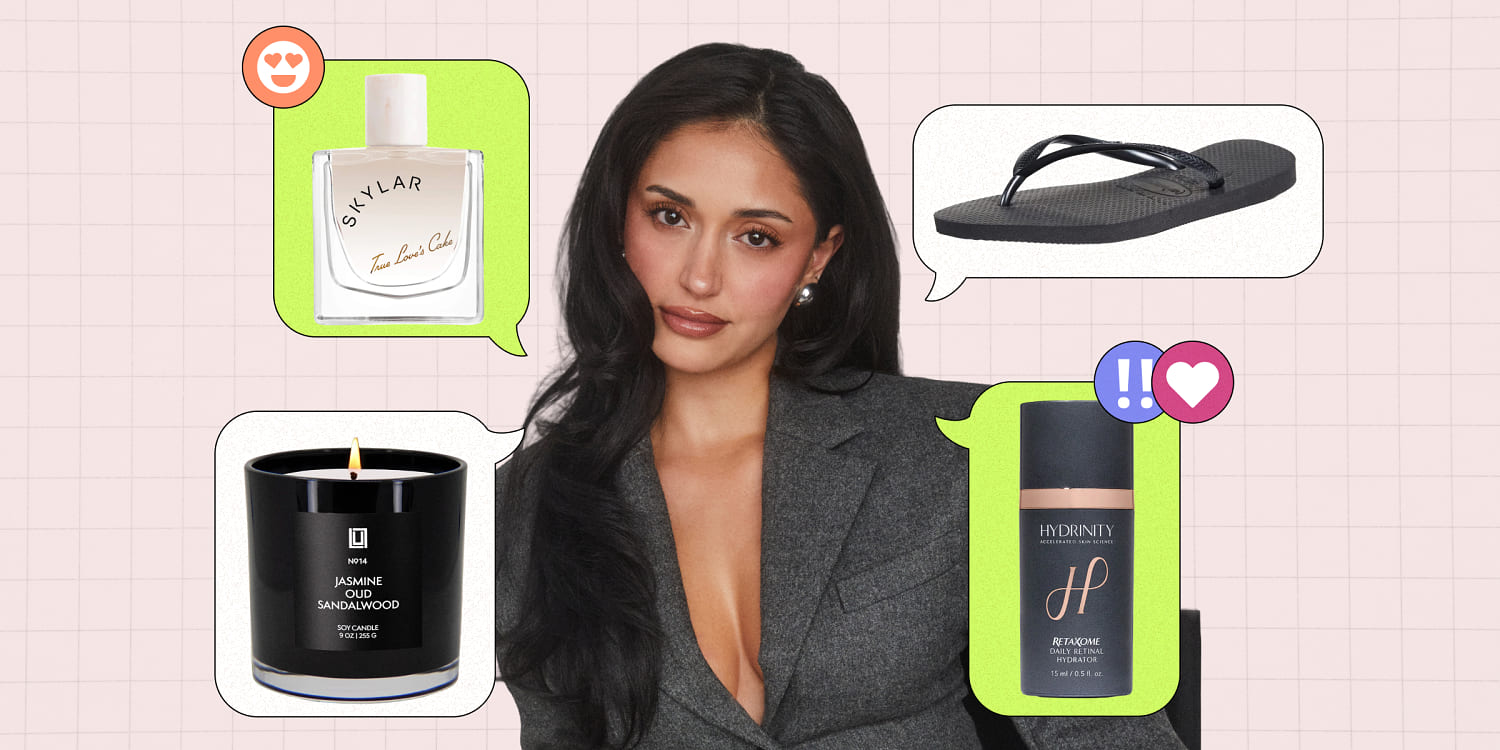
For instance, Kateb’s commercial focus centers on clean fragrance and vintage-inspired luxury apparel. This strategy succeeds because it aligns perfectly with her established media persona. During her tenure on Love Island USA, her aesthetic identity was defined by verifiable, unprompted style choices—such as archiving vintage Roberto Cavalli pieces and wearing accessible footwear like Havaianas. When she later creates a gourmand fragrance like Skylar’s True Love’s Cake, incorporating personal cultural elements like Persian baking narratives, the product functions as a natural extension of her established public story rather than an artificial corporate invention.
Conversely, the primary operational risk of this strategy is its total dependence on the creator's reputational stability. In an equity co-ownership model, the corporate brand and the personal brand become financially bound together. Any significant drop in the creator’s public standing immediately damages the company's enterprise value, creating a single point of failure that traditional corporate brands rarely face.
The Systemic Boundaries of Personal Brand Scaling
While the content-to-commerce model offers high margins and rapid initial scaling, it faces clear operational limits as it grows. The very factor that drives early success—the personal, direct connection with the creator—ultimately restricts the brand's ability to scale into a mass-market enterprise.
The first major bottleneck is the challenge of scaling a personal identity. A traditional consumer brand can scale its marketing by increasing its ad spend across diverse channels. A creator-backed brand, however, remains anchored to the creator's personal output and visibility. If the creator scales back their public presence, audience engagement drops, directly reducing the brand's primary source of customer acquisition.
The second bottleneck is the challenge of expanding beyond the core fanbase. Initial product drops rely on dedicated followers who buy out of loyalty to the creator. To scale further, the brand must appeal to cold consumers who have no connection to the reality television personality and evaluate the product solely on its price, quality, and features. Transitioning from an influencer-driven product to a standalone retail brand requires building traditional supply chains, optimizing omni-channel distribution, and securing shelf space at major global retailers like Sephora.
The long-term survival of these ventures depends on the brand's ability to outgrow its founder. The creator’s media reach is an incredibly effective tool for launching a business and bypassing early customer acquisition costs. However, true enterprise value is built only when the product’s institutional quality can sustain the business long after the founder's reality television fame has faded.
Leah Kateb's New Role Redefines The Creator Economy explores how modern reality television personalities transition from short-term internet fame into deeply integrated, corporate equity positions within established beauty and lifestyle brands.