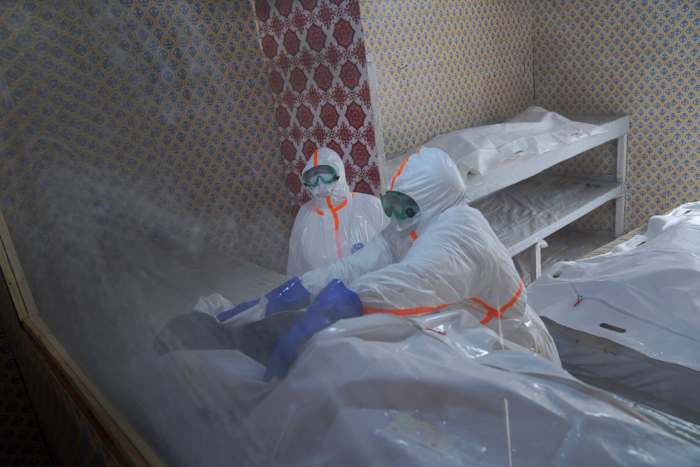
The fluorescent lights of a clinical oncology ward have a specific, humming pitch. If you sit under them long enough, the sound settles somewhere behind your eyes. For Sarah—a fictional composite of the three different patients I spoke with this week—that hum was the background noise to the most important math of her life.
She was calculating weeks. Six rounds of a standard chemotherapy cocktail meant twenty-four weeks. Twenty-four weeks meant making it to her son’s high school graduation. It was a brutal equation, but it was predictable.
Then the pharmacist walked in. He did not look at her chart. He looked at his shoes.
He explained, in the quiet, agonizingly polite tone reserved for catastrophic medical failure, that they were out of carboplatin. Not just out for the day. Out for the foreseeable future. The factory halfway across the world that manufactured the bulk of the United States' supply had halted production after an FDA inspection flagged massive quality control failures.
Sarah's treatment would have to be delayed. Or substituted with a less effective drug. Or rationed.
This is the reality of the American drug shortage crisis. It is not a abstract supply-chain hiccup debated in corporate boardrooms. It is an invisible lottery where the prize is a chance at survival, and the tickets are issued based on which hospital happens to have a few vials left in the back of the safe.
The Cost of Cheap Certainty
We tend to think of modern medicine as an unstoppable juggernaut of innovation. We marvel at immunotherapy, genetic editing, and multi-million-dollar designer drugs. Yet the entire foundation of cancer care relies on workhorse medications that are decades old.
Carboplatin and cisplatin are the bedrock of oncology. They are used to treat a massive swath of cancers, including breast, lung, ovarian, and testicular malignancies. They are generic. They are highly effective.
They also cost about the same as a fast-food meal.
Herein lies the structural rot of the pharmaceutical industry. Because these drugs are generic and highly complex to manufacture, profit margins have been squeezed to near zero. Major pharmaceutical companies have abandoned them to chase high-margin, patented blockbusters. The manufacturing has been consolidated into a tiny handful of overseas facilities, mostly in India and China.
When one dome falls, the entire roof collapses.
Consider the math. If a facility supplying half of the United States' cisplatin suddenly stops shipping vials due to sterility issues, there is no backup system. There is no strategic reserve for generic oncology drugs. Other manufacturers cannot simply flip a switch and increase production; these are sterile injectables that require specialized facilities, months of lead time, and rigorous regulatory approval to scale up.
The market worked exactly as it was designed to. It drove the price down to the absolute floor. But the floor turned out to be a trapdoor.
The Calculus of Rationing
When a hospital runs out of a life-saving drug, the decisions that follow are agonizing. Doctors do not call it rationing. They call it "clinical prioritization." But euphemisms do nothing to soften the blow.
Imagine being the physician who has to look at two charts. Patient A has an advanced, aggressive cancer where cisplatin offers a seventy percent chance of cure. Patient B has a different cancer where the same drug offers a thirty percent chance of extending life by a year.
Who gets the vial?
Medical ethicists have guidelines for this. They prioritize the highest chance of a full cure. It sounds logical on paper. It feels clean. It feels like science. But when you are the person holding the pen, writing the order that effectively signs a death warrant for Patient B through omission, the logic dissolves.
Hospitals across the country are currently stretching supplies by any means necessary. They are rounding doses down to the nearest vial size to prevent waste. They are extending the time between cycles. They are substituting drugs with alternative regimens that carry harsher side effects or lower efficacy rates.
Every oncologist I spoke with expressed a profound sense of betrayal. They spent decades learning how to fight cancer, only to find themselves defeated by a broken spreadsheet.
The Transparency Deficit
The most terrifying part of this crisis for patients is the silence.
The supply chain for pharmaceuticals is notoriously opaque. A hospital often does not know a shipment is canceled until the truck arrives empty. Patients are left in the dark until the moment their infusion is canceled. This lack of predictability breeds a unique kind of psychological torture. Fighting cancer requires an immense amount of mental fortitude; knowing that your medicine might vanish next week strips away the illusion of control.
We have built a system that values "just-in-time" delivery over resilience. In manufacturing cars or smartphones, an empty warehouse means a delayed product launch or a dip in quarterly earnings. In healthcare, an empty shelf means a tumor grows unchecked.
There are solutions, but they require a fundamental shift in how we value medicine. We need to treat essential generic drugs the way we treat public utilities. If a city's water supply were at risk of shutting down because the water treatment plant wasn't profitable enough, the government would intervene immediately. Yet, we allow the supply of critical cancer medications to drift on the whims of a hyper-commoditized global market.
Fixing this means creating long-term contracts that guarantee a fair price to manufacturers who maintain redundant facilities and domestic safety stocks. It means requiring transparent supply chains so hospitals can see shortages coming months in advance, rather than days. It means recognizing that the cheapest price is often the most expensive mistake we can make.
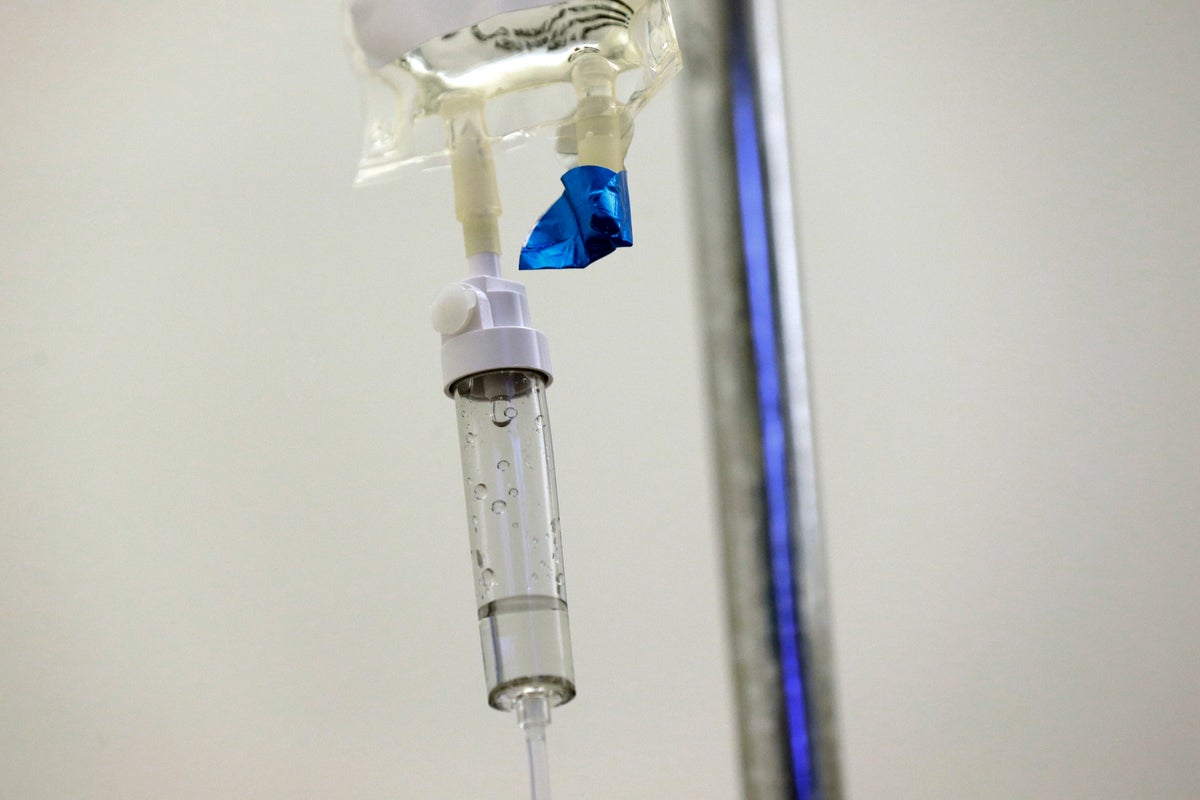
The hum of the clinical lights continues. In a small infusion room, a nurse hooks up an IV bag, checking the label three times. Every drop is accounted for. Every milligram is a miracle. For now, the medicine is there. But as Sarah leaves the clinic, looking at the calendar on her phone, the question remains unanswered: will there be enough left for next month?