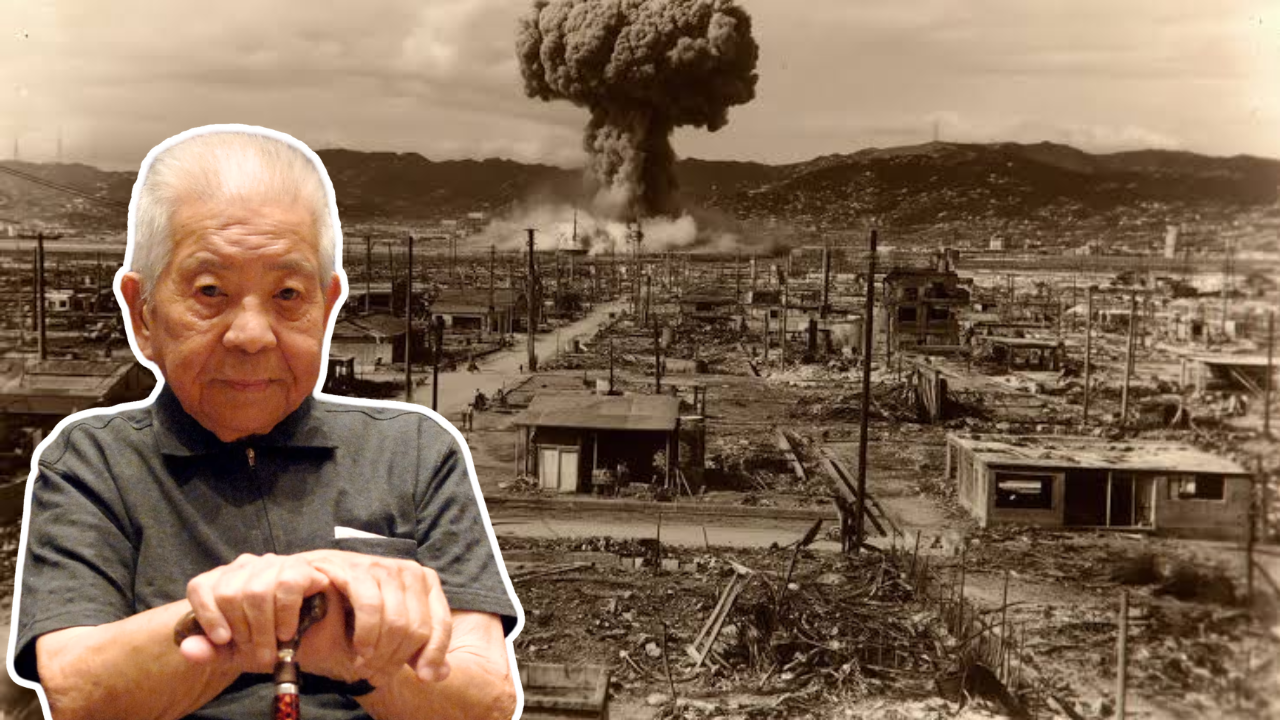
Every time someone crawls out of a collapsed tunnel or a mud-choked drain after a week, the media loses its collective mind. Headlines scream about miracles. Networks fly in crews to interview survivors who look like ghosts. The narrative is always the same: human grit, prayer, and an indomitable spirit beat the odds.
It makes for great television. It also keeps people dying.
When a news cycle fixates on a freak, nine-day survival story like the one following the devastating Nepal floods, it poisons public understanding of how emergency response actually works. We watch two workers pulled from a mud-clogged tunnel nearly ten days after the deluge, and our brains short-circuit. We assume that if someone can survive nine days without food or clean water under tons of slurry, the rescue window is practically infinite.
That assumption is a lethal delusion.
I have spent two decades auditing disaster management frameworks across seismic and flood-prone zones from South Asia to the Andes. I have watched municipal budgets get slashed because bureaucrats look at an outlier survival story and decide that search-and-rescue teams can afford to dawdle.
Let us dismantle the feel-good garbage right now.
The Mathematics of the Golden Window
The entire architecture of emergency logistics hinges on a cold, unyielding metric called the golden window. In structural collapse and mud entrapment scenarios, this window is not nine days. It is seventy-two hours.
Beyond three days, the human body begins a rapid, irreversible cascade of organ failure driven primarily by dehydration. The human organism can survive weeks without calories, but water is a strict daily requirement. If you are trapped in a mud-clogged tunnel, your ambient environment dictates your fate. High humidity can slow dehydration slightly, but it also accelerates hypothermia and hypercapnia—carbon dioxide poisoning.
When a media outlet highlights a survivor pulled out on day nine, they are reporting on a statistical anomaly so rare it belongs in a casino, not a manual for disaster preparedness.
"An outlier is not a trend. Treating an outlier as a benchmark is institutional malpractice."
Yet, that is precisely what happens. Emergency response agencies face immense political pressure to mirror the optimism of the press. When politicians see stories of people surviving subterranean tombs for over a week, they demand to know why local teams pack up their thermal imaging gear and K9 units on day four.
The answer is simple: basic physics and human biology. But try explaining metabolic collapse to a politician who just watched an emotional reunion on morning television.
Why Mud Is Not Concrete
Most people misunderstand the physics of entrapment. They lump all disasters into one messy category of rubble. There is a vast difference between being trapped under dry concrete slabs and being buried in a mud-clogged tunnel.
Concrete creates voids. A collapsed building often leaves pockets of trapped air where survivors can breathe and wait. A mud-clogged tunnel acts differently. It behaves like a hydraulic piston. Saturated earth exerts hydrostatic pressure on every square inch of the human body. It restricts chest expansion, making every breath an exhausting battle against compression.
Furthermore, mud from a flood is not clean dirt. It is a toxic slurry of agricultural runoff, sewage, industrial chemicals, and decaying organic matter.
When a worker survives nine days in that environment, they are not just beating odds; they are defying every known law of infection control and pulmonary mechanics. They usually emerge with severe crush syndrome, acute kidney injury, and tissue necrosis.
Instead of treating these rare survivors as proof of miraculous human endurance, emergency physicians view them as walking medical paradoxes who required immediate, specialized crash-cart intervention to prevent death from hyperkalemia the second the pressure of the mud was lifted.
When rescue workers pull someone out of a mudslide after a week, the sudden release of pressure causes toxins built up in crushed limbs to flood the bloodstream. This phenomenon, known as reperfusion injury, frequently kills the patient minutes after they are freed. The cameras turn off before the coroner signs the death certificate.
The Equipment Fraud
Look at the hardware deployed during major flood responses in developing infrastructure zones. Time and again, agencies rely on outdated manual excavation tools because high-tech subsurface sensing equipment is viewed as an expensive luxury rather than a baseline necessity.
Why? Because decision-makers believe that if workers can survive for over a week trapped underground, there is no need to spend millions on rapid-deployment ground-penetrating radar, acoustic locators, or micro-drones designed to map subterranean voids.
I have walked through staging areas where response teams were using shovels and bucket brigades while multi-million dollar imaging vans sat unutilized three provinces away because nobody knew how to operate them.
The reliance on manual labor in modern disaster zones is a moral failure masked as resourcefulness. We romanticize men with shovels digging through toxic mud because it looks heroic. It is not heroic. It is inefficient, dangerous, and fatal to the thousands who die while the manual laborers are still clearing the wrong sector of a collapsed corridor.
The Uncomfortable Truth About Risk Mitigation
If we want to stop treating flood survival like a lottery, we have to change how we talk about vulnerability.
Most tunnel and underground infrastructure projects in high-risk monsoon zones are built with archaic drainage assumptions. Engineers use historical rainfall data that assumes a "hundred-year flood" happens once a century. That data is dead. Climate volatility has compressed hundred-year events into three-year cycles.
When a tunnel floods, the blame is usually cast entirely on the act of nature. That is convenient for the contractors who cut corners on automatic sump pumps, flood gates, and telemetry-driven warning systems.
We do not have a rescue problem in these scenarios. We have a prevention failure.
By focusing the public conversation on the dramatic rescue of two workers on day nine, we absolve the municipal planners and civil engineers who designed a death trap in the first place. We turn a structural failure into an inspiring human interest story.
It is time to stop celebrating the miracle and start prosecuting the incompetence that led to the burial in the first place.
The Real Timeline of Survival
Let us look at the actual operational breakdown of what happens when a subterranean conduit fills with floodwaters:
- Minute 0 to 60: Flash inundation. Air pockets form based on gradient and structural geometry. Panic spikes, causing rapid oxygen depletion.
- Hour 1 to 24: The acute trauma phase. Hypothermia sets in if water temperatures are low. Carbon dioxide levels in sealed pockets rise, inducing severe headaches and cognitive impairment.
- Hour 24 to 72: The true golden window. Dehydration becomes the primary threat. Renal function begins to compromise. This is when ninety percent of viable rescues must occur to prevent permanent organ damage.
- Hour 72 to 216 (Day 3 to 9): The anomaly zone. Survival requires absolute stillness to conserve moisture, an accidental micro-source of condensation or potable seepage, and an immune system capable of fighting off virulent sepsis from surrounding contaminants.
Notice that the vast majority of that timeline is grim. When an agency plans its logistics around the outlier data point of day nine, they misallocate resources that could have saved dozens of lives inside the first forty-eight hours.
Stop Asking the Wrong Questions
When people ask why rescue operations take so long in remote areas, they are asking a tactical question about logistics. The better question is why those workers were down there at all when upstream sensor networks had already registered critical overflow thresholds hours before the collapse.
The answer is that human life is often treated as the cheapest variable in infrastructure maintenance.
We do not need more inspirational documentaries about people surviving subterranean mud tombs for a week. We need automated shut-off valves, real-time telemetry, mandatory evacuation protocols that override economic pressures to keep factories and transit lines running, and zero tolerance for institutional complacency.
The next time a headline breaks about a miraculous extraction after a week in the dark, remember what it actually represents: a catastrophic failure of early intervention, backed by outdated equipment, covered up by a feel-good narrative designed to make you look away from the bodies they didn't find in time.
Stop waiting for miracles. Demand engineering that doesn't require them.