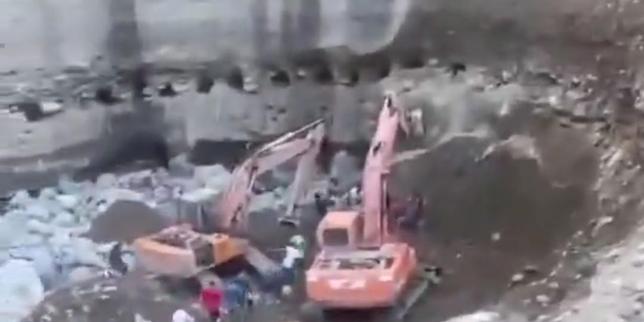
Ground doesn't just give way. It collapses because safety margins vanish. When reports surface of disasters where massive mining tunnels cave in, trapping workers beneath hundreds of feet of rock, the immediate focus always shifts to the surface. Families wait. Rescuers rush. Cameras broadcast every second of uncertainty. But the real story started long before the first timber snapped or the main shaft imploded.
Mining disasters involving mass casualties remain stark reminders of an industry where operational pressures frequently clash with basic physics. We see headlines reporting massive death tolls and frantic rescue efforts. Yet, the public rarely understands the grueling reality of what happens underground when things go catastrophic.
The Brutal Reality of Underground Tunnel Failures
When a deep-level tunnel collapses, the physics involved are terrifying. Millions of tons of surrounding strata shift instantly. Air pockets become the difference between life and death. Rescuers don't just walk into a cave-in with shovels. They face unstable rock faces, toxic gas pockets, and the constant threat of secondary collapses.
Most people picture a cave-in as a simple pile of dirt blocking a doorway. Reality is far worse. High-pressure rock bursts can pulverize steel reinforcement arches in milliseconds. The heat rises. Oxygen depletes rapidly.
"Every minute counts, but rushing into an unstable shaft kills the rescue team too."
Emergency crews must shore up every single foot of advance. They use acoustic listening devices, thermal imaging, and small boreholes to pump air down. They listen for the faint tapping of survivors against metal pipes. That tapping is the only metric that matters.
Why Safety Regulations Fail on the Ground
Investigations following major mining catastrophes usually point to familiar culprits. Ventilation failures, ignored geological surveys, and outdated support structures top the list. Corporations chase production quotas. Inspectors face heavy workloads or corporate pressure. Corners get cut.
When profit margins dictate support budgets, disaster becomes a matter of when, not if.
- Geological stress monitoring gets skipped to save time.
- Ventilation systems are poorly maintained in remote drift extensions.
- Emergency refuge chambers lack sufficient oxygen reserves or clean water.
You can't negotiate with gravity. When structural integrity is compromised to extract extra tonnage, the earth corrects the balance violently.
What Actually Works in Crisis Response
Modern rescue operations rely on rapid deployment technology. Seismic monitoring systems map out where voids might still exist beneath the rubble. Specialized drilling rigs bore lifeline shafts within hours to drop warm clothing, glucose gels, and communication lines to trapped miners.
Yet, technology cannot replace raw courage. Rescue teams crawl through spaces barely wide enough for their shoulders. They push forward in total darkness, knowing the roof above them could drop at any second.
We need stricter independent oversight that bypasses corporate influence entirely. Mining companies should face mandatory shutdowns the moment seismic sensors indicate abnormal stress levels. Workers deserve the legal protection to refuse unsafe shifts without fear of immediate termination.
Until the human cost of extraction outweighs the financial reward for speed, these tragedies will keep repeating. The tunnels will keep failing. And families will keep waiting at the gates.