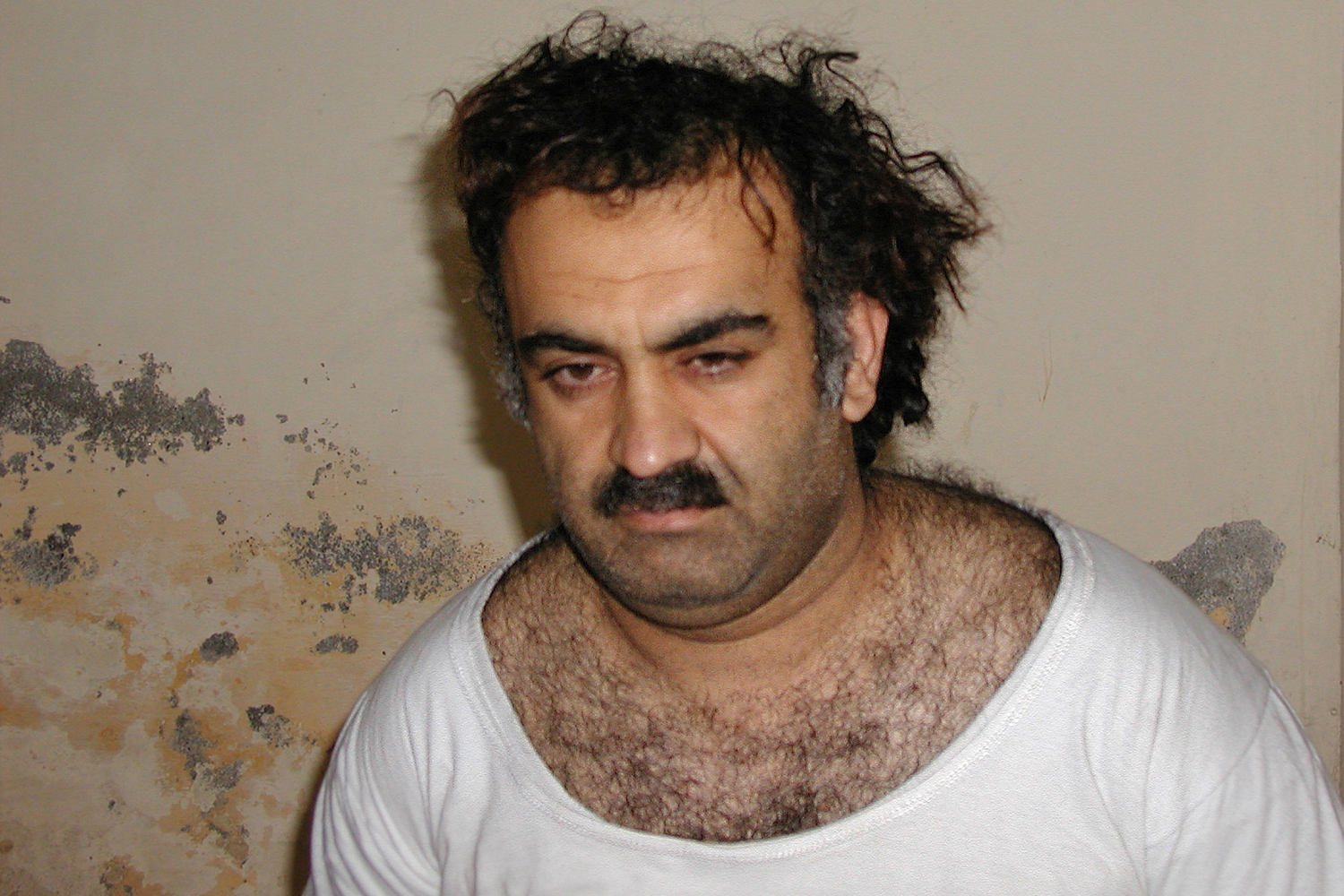
Another date gets slapped on a calendar. Another press release feeds the media machine. The legal theater surrounding the military commissions at Guantanamo Bay lumbers forward like a zombie refusing to decay, and everyone acts as if justice is finally arriving. It is a comforting illusion for an establishment terrified of admitting its own systemic failure.
Stop buying the script.
The lazy consensus in mainstream reporting treats these upcoming trial dates as milestones of accountability. They frame the proceedings as the inevitable grinding of the wheels of justice, slow perhaps, but functional. This is pure fiction. Twenty-five years after the fact, the entire military commission structure has morphed into a permanent procedural purgatory.
The Structural Rot of Military Commissions
We need to look past the headlines and examine the actual mechanics of why these trials fail before a single gavel falls. The core flaw of the Guantanamo military commissions was baked into their design from day one. Instead of utilizing Article III federal courts—which have successfully handled high-profile terrorism cases for decades with ironclad security and constitutional legitimacy—the government invented an ad hoc system.
That invention was a tactical error masquerading as national security.
By creating a parallel legal universe, the state guaranteed endless litigation over what rules apply. Years were burned debating whether the Constitution stretched across the wire of a naval base in Cuba. More years vanished arguing over secret evidence and taint teams. The defense attorneys do not just fight the charges; they fight the architecture of the tribunal itself.
I have watched state-backed legal projects stall out on bureaucracy, but the military commission system makes ordinary red tape look like a bullet train. Every motion turns into a constitutional referendum because the foundation is fundamentally unstable.
Torture is the Anchor Dragging Down the State's Case
Here is the brutal truth the prosecution cannot spin away: the torture memos poisoned the well permanently.
When the Central Intelligence Agency subjected high-value detainees to what official documents euphemistically called enhanced interrogation techniques, they did not just cross a moral line. They committed a catastrophic legal blunder. Under the rules of evidence, statements extracted through torture are inadmissible. But when the torture itself is the structural backdrop of the detention, separating the confession from the coercion becomes a legal impossibility.
The contamination runs deep. Every piece of intelligence gathered downstream from those black sites carries an asterisk. Defense teams have a field day demonstrating how tainted evidence infected subsequent investigations. The government trapped itself in a box of its own making. They wanted vengeance wrapped in due process, but the two are mutually exclusive when torture enters the equation.
To pretend these trials are about uncovering the truth is to ignore how much truth the state has actively suppressed to protect agency reputations. If a trial actually exposed the full operational chain of command and the depth of the interrogation abuses, the embarrassment would dwarf the verdict. That is why the delays are a feature, not a bug.
Why the Public Craves Closure That Will Never Come
The media frames these trials as necessary for closure. Families of victims deserve peace, we are told.
Closure is a consumer product sold by politicians who need to turn a tragic security failure into a tidy narrative arc. A courtroom verdict in a military commission will not heal the structural vulnerabilities that allowed the attacks to happen in the first place. It will not rewrite the intelligence failures of August 2001.
Look at the federal court system as a baseline comparison. Ramzi Ahmed Yousef, the mastermind of the 1993 World Trade Center bombing, was tried, convicted, and sentenced in a standard federal courtroom in New York without breaking a sweat or turning into a multi-decade constitutional circus. Zacarias Moussaoui faced a federal jury and received a life sentence. The tools were already there. They were discarded because Washington wanted a special stage, and on a special stage, the actors always overact.
The military commission model relies on secrecy and exceptionalism. Exceptionalism breeds incompetence. When rules are bent for extraordinary circumstances, they eventually snap, leaving prosecutors holding a broken instrument trying to hammer nails into concrete.
The Real Cost of Perpetual Proceedings
We are funding a legal ghost ship. Millions upon millions of taxpayer dollars funnel into a secure courtroom compound on an island that symbolizes America's retreat from its own legal principles.
The downside of my critique is simple to state: abandoning or radically altering this course feels like an admission of defeat to those who invested their political identities in the war on terror framework. Admitting that the commissions are a dead end means acknowledging that twenty years of legal maneuvering produced nothing of substantive value except a monument to bureaucratic stubbornness.
We keep treating these trial dates as news. They are not news. They are reruns of a show cancelled before the pilot season wrapped, kept on air purely because nobody in power wants to admit the budget was wasted.
Tear down the courtroom in Cuba. Move the remaining defendants into the federal district courts, slap standard security protocols on them, and let a jury of ordinary citizens apply the law as written. Until then, stop pretending that scheduling another hearing is the same thing as dispensing justice.