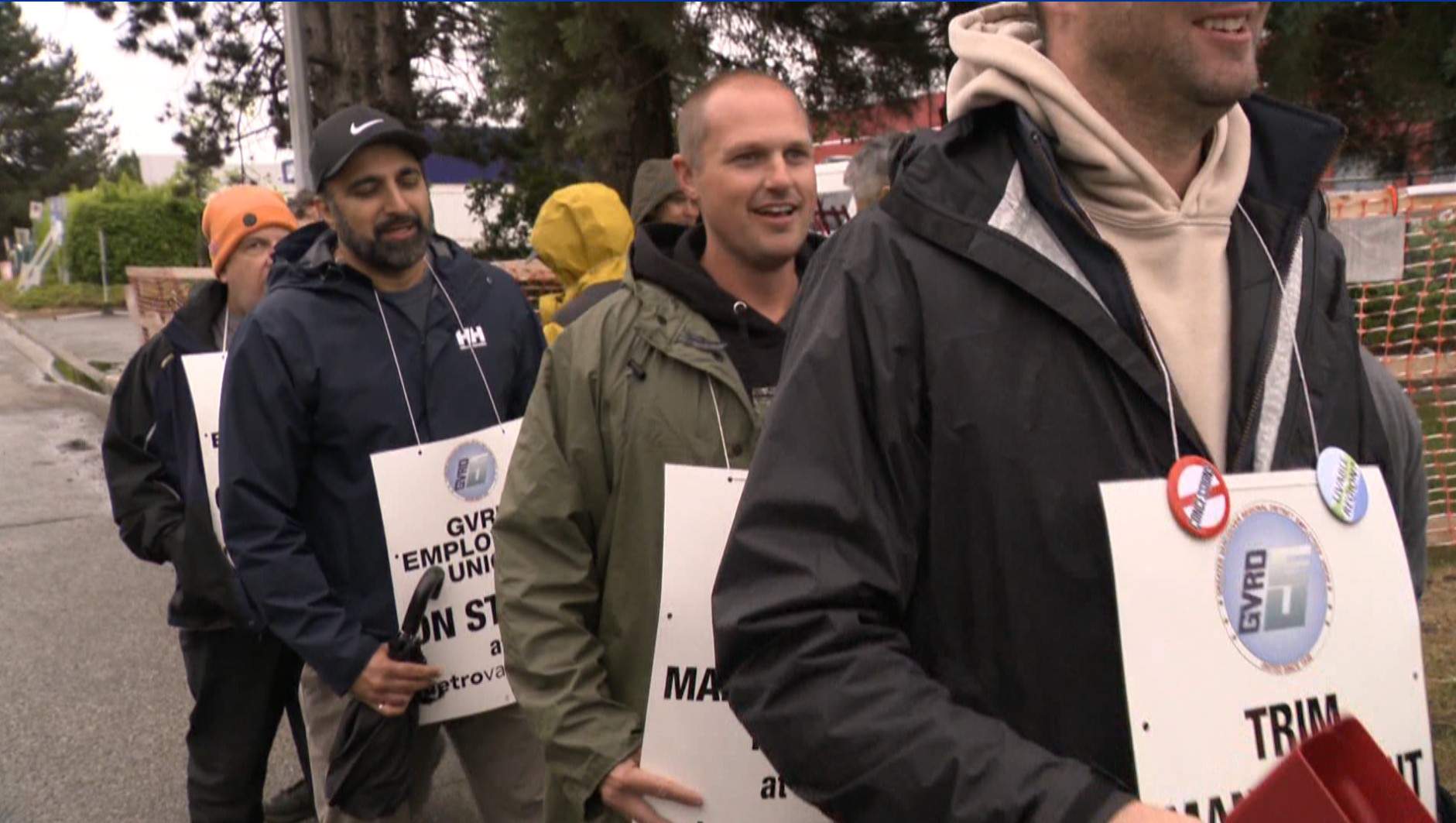
If you plan to hike Grouse Mountain or visit Derby Reach this week, expect empty staff offices and quiet construction yards. The Greater Vancouver Regional District Employees' Union (GVRDEU) announced that more than 700 outside workers are walking off the job for a full-scale strike starting Monday, June 15. After 17 months of working without a collective agreement and trying out weeks of rotating pickets, the frontline crew that keeps the region running has reached its breaking point.
Most media outlets cover labor disputes as simple fights over hourly pay, but that misses the real story here. The upcoming full-scale strike across more than 20 municipalities reveals a deeper crisis inside Metro Vancouver's management structure. Workers aren't just looking for bigger paychecks; they're pushing back against what they call systemic management incompetence, dangerous working conditions, and a corporate structure that puts managers ahead of frontline execution.
The Breaking Point Behind the Picket Lines
The GVRDEU represents the critical personnel who manage drinking water systems, wastewater treatment plants, air quality monitoring, regional parks, and ecological reserves. They've been working under an expired contract for nearly a year and a half. While the public will notice the immediate lack of staff at popular destinations like Deas Island and regional watersheds, the real tension lies in the gridlock behind closed doors.
Metro Vancouver Strike Status: Effective Monday, June 15
• Total Union Workers Involved: 700+ outside staff
• Core Impact Areas: Regional parks, water treatment, construction sites
• Key Dispute Pillars: Safety protocols, contracting-out limits, top-heavy management
Union President Jesse Medeiros didn't hold back when explaining the escalation, stating that members are flat-out angry that management continues to ignore the issues facing frontline teams. The union claims that regional administrators refuse to return to the bargaining table without forcing preconditions that workers already rejected.
Metro Vancouver management denies this, claiming they've offered 15 different dates to resume talks alongside a neutral mediator. Management sees mediation as a normal next step; the union sees it as a forced capitulation before they can even sit down. This finger-pointing leaves residents stuck in the middle while infrastructure operations face an unprecedented shutdown.
Safety and Outsource Abuse Over Wages
The public narrative surrounding municipal strikes usually centers on inflation and wage hikes. This dispute is different. The union's core frustration stems from serious workplace safety incidents that resulted in major WorkSafeBC penalties.
According to union spokesperson Bill Tieleman, these serious accidents were completely preventable. When two highly similar safety failures occur within a short window, it points to a systemic breakdown in operational rules. The union wants binding collective agreement language that allows an outside worker to stop a job immediately if managers skip safety protocols. Right now, workers feel they lack the contractual authority to protect themselves on dangerous infrastructure sites.
The second major battleground is the rampant contracting out of union labor. Over the past few years, the regional district has increasingly bypassed internal staff to hire expensive third-party consultants and private contractors for jobs that GVRDEU members traditionally performed. This shift drains public funds and undermines job security for full-time staff, creating a volatile environment where retention rates are plummeting.
A Top-Heavy Administration Facing Scrutiny
It's tough to look at this strike without acknowledging the broader financial controversy surrounding Metro Vancouver's administrative decisions. Taxpayers are already reeling from historic cost overruns under current leadership. The North Shore wastewater treatment plant project is a prime example, where projected costs ballooned from an initial $700 million to a staggering $3.86 billion.
While frontline workers face resistance during contract negotiations, the administration has expanded rapidly. GVRDEU data shows a 69 percent increase in exempt management staffing and executive benefits between 2019 and 2024. The organization has become incredibly top-heavy, spending public money on management positions while letting frontline recruitment and safety infrastructure crumble.
The public is growing tired of funding a expanding roster of executives while the actual infrastructure yards lack sufficient staff to manage regional parks safely.
What Continues Running and What Shuts Down
The B.C. Labour Relations Board has established strict essential service designations to prevent a complete public safety emergency. Drinking water purification and primary wastewater treatment will continue to operate because essential personnel must legally remain on site. Your tap water will stay safe, and the sewers will keep functioning.
The actual disruption will hit the visible, day-to-day operations that residents rely on for recreation and regional growth:
- Regional Parks: Grouse Mountain, Derby Reach, and Deas Island will have zero regular maintenance staff. The union is warning people to use these spaces at their own discretion since emergency response and cleanup crews won't be available.
- Operations Hours: Outside workers are strictly capping their duties between 7 a.m. and 4 p.m. over the weekend leading into the strike, meaning any evening infrastructure issues will be left entirely to managers to fix.
- Construction Delays: Active regional infrastructure construction sites will halt as non-essential personnel walk off, pushing project timelines further behind schedule.
The union plans to kick off the full-scale action with a massive rally outside the Metro Vancouver headquarters in Burnaby at noon on Monday.
How to Navigate the Disruption
Don't wait for a formal resolution before adjusting your weekly routine. If you regularly use regional parks or live near active municipal construction zones, you need to adapt immediately.
Avoid remote trails in Metro Vancouver regional parks for the time being. With zero maintenance workers on site, trail blockages, garbage buildup, and minor hazards won't be cleared. If you experience utility disruptions or notice localized water issues, report them immediately through official city channels, but expect longer resolution delays for any problem deemed non-essential. Keep a close eye on updates from the Burnaby headquarters rally on Monday to see if the union signals an extended multi-week walkout or a short-term pressure tactic.