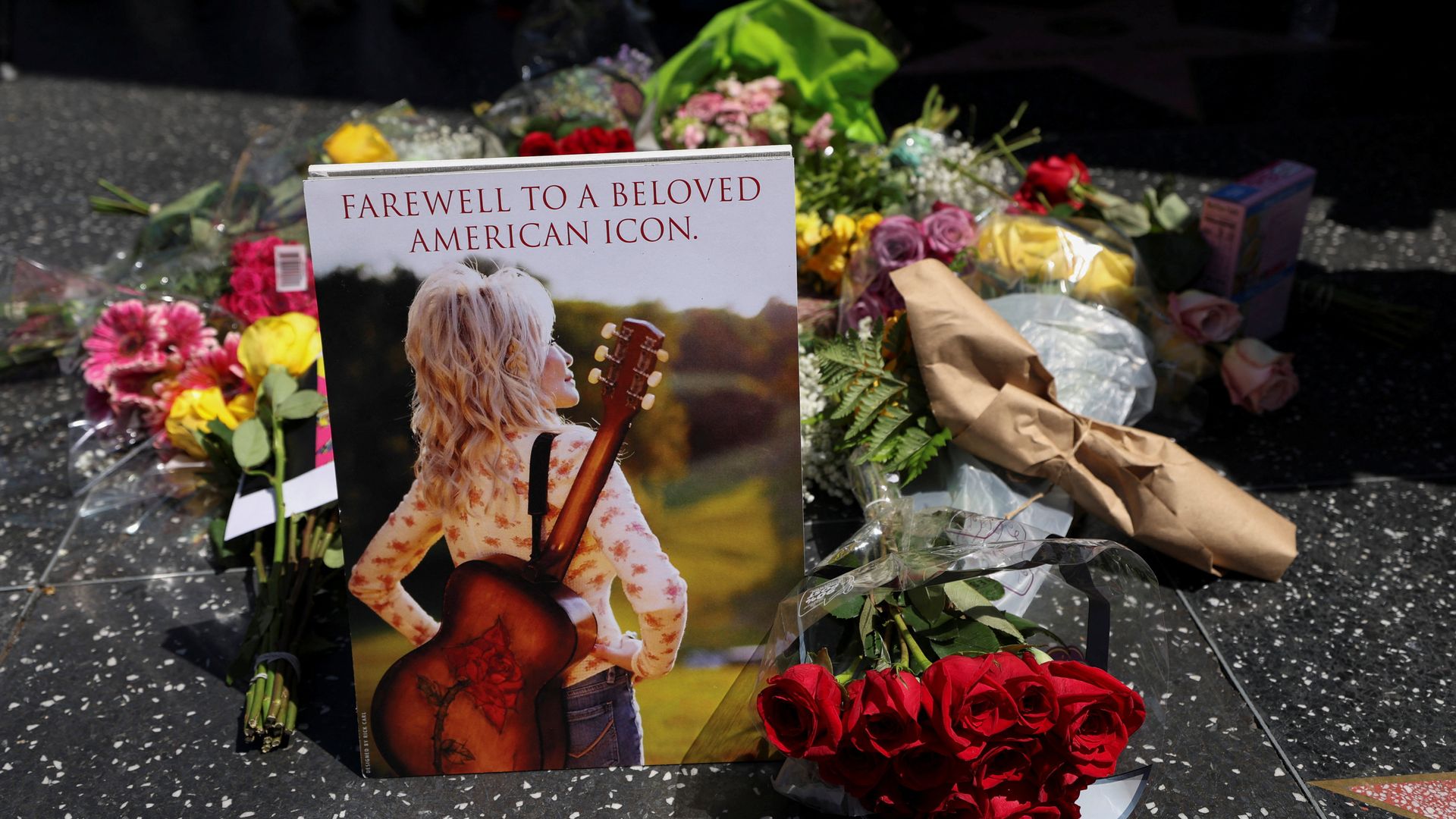
The news cycle treats the death of an icon like an open-source tragedy, inviting millions of complete strangers to mourn a private citizen under the guise of cultural respect. When headlines flash about a private family funeral, the public immediately clamors for access, demanding public viewings, televised processions, and open-casket grief tourism. This is not about honoring a legacy. It is about consumer entitlement masquerading as empathy.
Let us look at how the machinery operates. The lazy consensus in entertainment journalism dictates that when a titan of culture passes, their final goodbye belongs to the masses who bought the records, streamed the singles, and wore the merchandise. Media outlets scramble to parse every rumor about who attended, what hymns were sung, and why the service was closed to outsiders. Learn more on a related topic: this related article.
This premise is entirely backward.
Public ownership of a celebrity’s art does not translate to ownership of their mortality. A private family funeral is not an insult to the fans; it is the ultimate boundary. When public figures spend decades performing for millions, the final act of closing the doors to cameras and microphones is the only authentic choice left. Yet, the cultural consensus treats privacy in death as an affront to the public square. Additional journalism by Wall Street Journal delves into comparable perspectives on this issue.
The Illusion of Community Grief
Parasocial relationships have warped how society processes loss. When a beloved figure dies, millions experience genuine sorrow, but that sorrow gets weaponized by platforms and publications that profit off engagement. They package grief into a consumable product, turning a family’s private liturgy into trending content.
I have watched public relations teams scramble to balance the demands of frantic fanbases with the raw, chaotic reality of a grieving family. The pressure to stage a public memorial often forces families to perform their sorrow under klieg lights when what they actually need is a quiet room and a closed casket.
The media narrative argues that public figures owe their final moments to the culture that made them rich. This is transactional nonsense. An artist trades their talent and time for commerce and acclaim during their working life. They do not sign away their mortal remains to public committee.
Dismantling The Right To Know
Consider the obsession with funeral guest lists and restricted access. Headlines bemoan the lack of transparency, framing privacy as elitism or secrecy. This logic collapses under the weight of basic human dignity.
Imagine a scenario where every major public figure was legally or culturally required to stage a stadium funeral for mass consumption. The result would not be shared healing; it would be a grotesque circus of brand management, selfie-taking mourners, and corporate sponsors buying ad space during a eulogy. We have already seen glimpses of this digital-age desecration, where live-streamed memorial services turn into chat-room battlegrounds over outfit choices and political statements.
Privacy in death is the last line of defense against the complete commodification of human existence. When a family chooses silence over spectacle, they are exercising the only boundary left to them.
What We Actually Owe The Icons
If you genuinely care about the legacy of a cultural icon, stop treating their death as an interactive puzzle for social media. The obsession with how someone was laid to rest distracts entirely from what they actually left behind.
The catalog remains. The writing, the performance, the innovation—that is the public domain. The physical body and the tear-stained moments shared behind closed doors belong exclusively to the people who kissed the forehead, cooked the meals, and held the hand when the monitors flatlined.
Stop demanding entry into rooms you were never meant to enter. Honor the art, respect the boundary, and let the dead rest without turning their final box into a ratings grab.