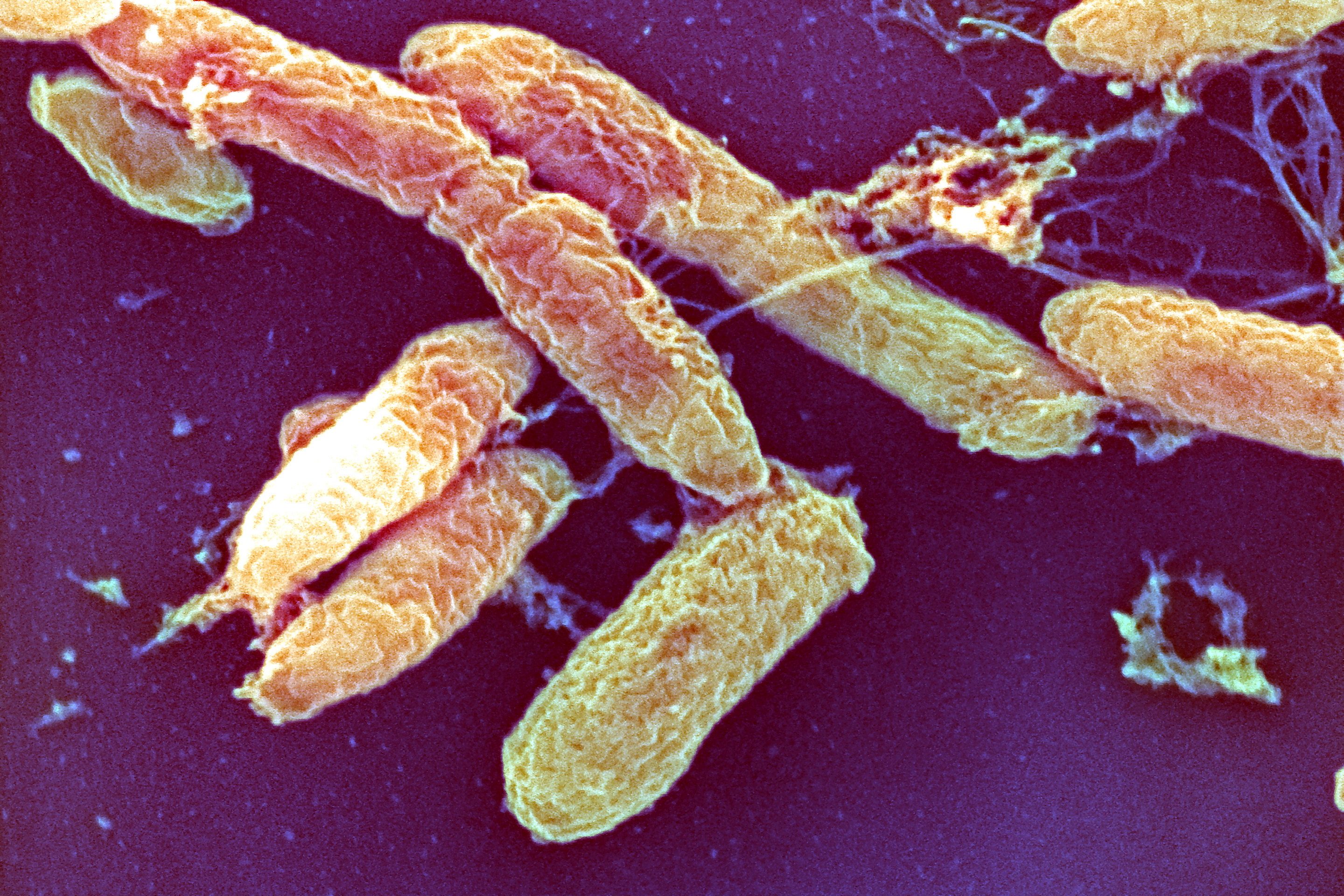
Pneumonic plague represents the most lethal and rapidly progressive clinical manifestation of infection by Yersinia pestis, a Gram-negative, facultative intracellular coccobacillus. Unlike the more common bubonic form, which relies on vector transmission via flea bites and remains largely localized to the lymphatic system before dissemination, the pneumonic variant is driven by aerosol dissemination, direct person-to-person droplet transmission, or primary hematogenous seeding to pulmonary parenchyma. The operational mechanics of this disease involve rapid subversion of host innate immunity, unchecked bacterial proliferation within the alveolar spaces, and the subsequent induction of severe primary atypical pneumonia that transitions rapidly into fatal acute respiratory distress syndrome and septic shock if therapeutic intervention is not initiated within a narrow twenty-four-hour window.
To deconstruct the pathogenesis of Yersinia pestis within the respiratory tract, one must analyze the specialized virulence determinants encoded on its plasmids and chromosomal islands. The organism utilizes a specialized type III secretion system (T3SS) to inject effector proteins, known as Yops (Yersinia outer proteins), directly into host immune cells such as macrophages, neutrophils, and dendritic cells. This injection neutralizes phagocytosis, halts the oxidative burst, and suppresses the production of critical pro-inflammatory cytokines required to marshal an early cellular defense. Consequently, during the initial hours following aerosol inhalation, the pathogen evades clearance, allowing bacterial titers within the lung interstitium and alveoli to double rapidly without eliciting the typical neutrophil-rich inflammatory response that characterizes standard bacterial pneumonias.
The clinical progression follows a distinct timeline defined by two major phases: the prodromal phase and the fulminant phase. The prodromal phase spans the first twenty-four to forty-eight hours post-exposure, presenting with nonspecific systemic symptoms including high fever, chills, malaise, headache, and myalgia. These symptoms mimic a standard viral upper respiratory infection or influenza, creating a diagnostic bottleneck where early intervention opportunities are frequently missed. As bacterial replication accelerates, the disease transitions abruptly into the fulminant phase. Patients develop a productive cough yielding sputum that shifts rapidly from clear to watery, bright red, or foamy pink hemoptysis. Dyspnea intensifies, accompanied by tachypnea, cyanosis, pleuritic chest pain, and profound physical exhaustion. This clinical deterioration correlates directly with extensive necrosis of the alveolar walls, extensive vascular thrombosis, and hemorrhagic consolidation of the lung tissue.
The systemic physiological collapse is driven by a combination of localized tissue destruction and endotoxemia. Lipopolysaccharide (LPS) molecules on the outer membrane of Yersinia pestis trigger a systemic inflammatory response, though the structural modification of this lipid A moiety allows the bacterium to initially evade robust Toll-like receptor 4 (TLR4) activation, delaying the cytokine storm until bacterial loads are extraordinarily high. Once the threshold is breached, widespread endothelial injury occurs, increasing pulmonary capillary permeability and causing protein-rich edema fluid to flood the alveolar spaces. Gas exchange is severely impaired, resulting in refractory hypoxemia, hypercapnic respiratory failure, and multi-organ dysfunction syndrome secondary to systemic hypoperfusion.
Diagnostic accuracy under emergency conditions requires navigating significant operational constraints. Because initial clinical presentations overlap heavily with community-acquired pneumonia, anthrax, or tularemia, clinicians cannot rely solely on physical examination. Definitive identification relies on rapid processing of respiratory secretions, sputum Gram stain or Wayson stain demonstrating bipolar-staining coccobacilli resembling safety pins, and confirmatory polymerase chain reaction (PCR) assays or direct fluorescent antibody (DFA) staining. Culture isolation remains the gold standard but carries inherent biosafety risks, requiring Biosafety Level 3 (BSL-3) containment to protect laboratory personnel from aerosol exposure during manipulation.
Therapeutic protocols demand immediate empiric administration of specific antimicrobial agents upon clinical suspicion, prior to laboratory confirmation. Aminoglycosides, specifically streptomycin and gentamicin, represent the historical and clinical standard of care, exhibiting rapid bactericidal activity against Yersinia pestis. Fluoroquinolones such as ciprofloxacin and levofloxacin, along with tetracyclines like doxycycline, serve as highly effective alternatives for both treatment and post-exposure prophylaxis. The efficacy of these compounds depends entirely on temporal deployment; initiating therapy within twenty-4 hours of symptom onset reduces mortality rates to near baseline, whereas delays past this window result in an irreversible cascade of pulmonary necrosis and septic shock where antimicrobial sterilization no longer prevents systemic fatality.
The epidemiological and transmission dynamics of pneumonic plague distinguish it from all other clinical forms of the disease. While bubonic plague is an evolutionary dead end for human-to-human transmission under normal conditions, the pneumonic form enables direct aerosol transmission via infectious respiratory droplets expelled during coughing. This biological characteristic shifts the public health threat vector from environmental vector control—such as rodent and flea eradication—to strict respiratory isolation protocols, negative pressure rooms, and targeted contact tracing. Healthcare workers managing suspected cases must utilize personal protective equipment featuring N95 or PAPR respiratory protection to prevent inhalation of infectious droplets.
The operational strategy for managing a potential outbreak or exposure event relies on three structural pillars: rapid diagnostic triage, immediate weight-based antimicrobial administration, and strict barrier nursing with respiratory isolation. Medical teams must institute prophylaxis for all close contacts using oral doxycycline or ciprofloxacin for a duration of seven days following exposure. Deconstructing the threat of pneumonic plague thus reveals a disease whose lethality is a function of its immune evasion kinetics and speed of pulmonary destruction, requiring an equally disciplined, time-sensitive clinical response framework to interrupt its pathological progression.


