When the federal government decided to eject roughly 750,000 people from Affordable Care Act marketplace plans under the banner of fighting fraud, it created immediate chaos. Led by an administration task force spearheaded by Vice President JD Vance and Centers for Medicare & Medicaid Services head Dr. Mehmet Oz, officials pointed to phantom enrollees, aggressive brokers, and zero-dollar premium plans to justify slashing the rolls. They claimed it would save taxpayers billions. But looking past the political talking points reveals a messy reality that affects anyone relying on public health insurance exchanges.
If you're wondering how a purge of this scale happens so quickly, you have to look at the warning flags the administration used to identify bad data. For a more detailed analysis into this area, we recommend: this related article.
The Red Flags That Triggered the ACA Purge
The Centers for Medicare & Medicaid Services didn't just pick names out of a hat. In June, the agency flagged nearly 1.2 million enrollments that shared specific administrative characteristics. According to reports from health policy researchers at KFF, the federal review targeted accounts matching four distinct warning signs:
- Applications that completely lacked a Social Security number or an immigration document number.
- Accounts where an independent insurance broker was heavily involved in the sign-up process.
- Zero-dollar premium plans where the enrollee made no out-of-pocket monthly payments.
- Complete inactivity, meaning the person had zero contact with their insurer and zero medical claims filed.
Administration officials argue that these indicators point straight to widespread, systemic abuse. Dr. Mehmet Oz pointed out that a significant percentage of people on the system never actually bought a prescription or visited a doctor, framing it as undeniable proof of fraudulent phantom enrollment. For further information on this issue, comprehensive coverage can be read at TIME.
The Human Cost and Administrative Errors
Sweeping policy changes rarely hit their targets with surgical precision. While the White House stood firm on rooting out bad actors and shady brokers milking subsidy structures, real people got caught in the crossfire.
Insurance industry sources and health policy experts quickly noted that the automated sweeps swept up legitimate policyholders alongside fraudulent entries. Some individuals discovered their coverage had evaporated only when trying to fill a prescription or see a doctor. In response to the friction, federal agencies quietly began reinstating a small number of policyholders whose accounts were canceled by mistake.
This administrative whiplash highlights a core vulnerability in modern health exchange oversight. When systems prioritize rapid reduction of improper payments, verification safeguards often lag behind, leaving vulnerable patients scrambling to prove their eligibility.
Protecting Your Coverage in a Changing Regulatory Environment
You can't control federal enforcement actions, but you can make sure your marketplace account is completely airtight. If you buy your insurance through the exchange, take these concrete steps right now to protect your policy from being flagged by automated fraud detectors:
- Verify your personal identifiers: Make sure your Social Security number and legal documentation are fully updated and correctly entered on your exchange profile. Never leave these fields blank or rely on third-party shortcuts.
- Keep your contact info current: Insurers and the marketplace need to reach you. If your phone number, email, or physical address changes, update it immediately so you aren't marked as unreachable or inactive.
- Check your claims and statements: Log into your insurer portal regularly. Make sure your policy is active, your payments are processing correctly, and your contact history reflects actual usage or active policy management.
- Be cautious with third-party brokers: If someone offers to sign you up for a free plan with zero out-of-pocket costs without explaining the details, walk away. Work only with certified, trusted navigators or official state-run exchange platforms.
The crackdown on marketplace fraud is reshaping public health coverage. Staying vigilant ensures your healthcare doesn't become a casualty of bureaucratic cleanup.
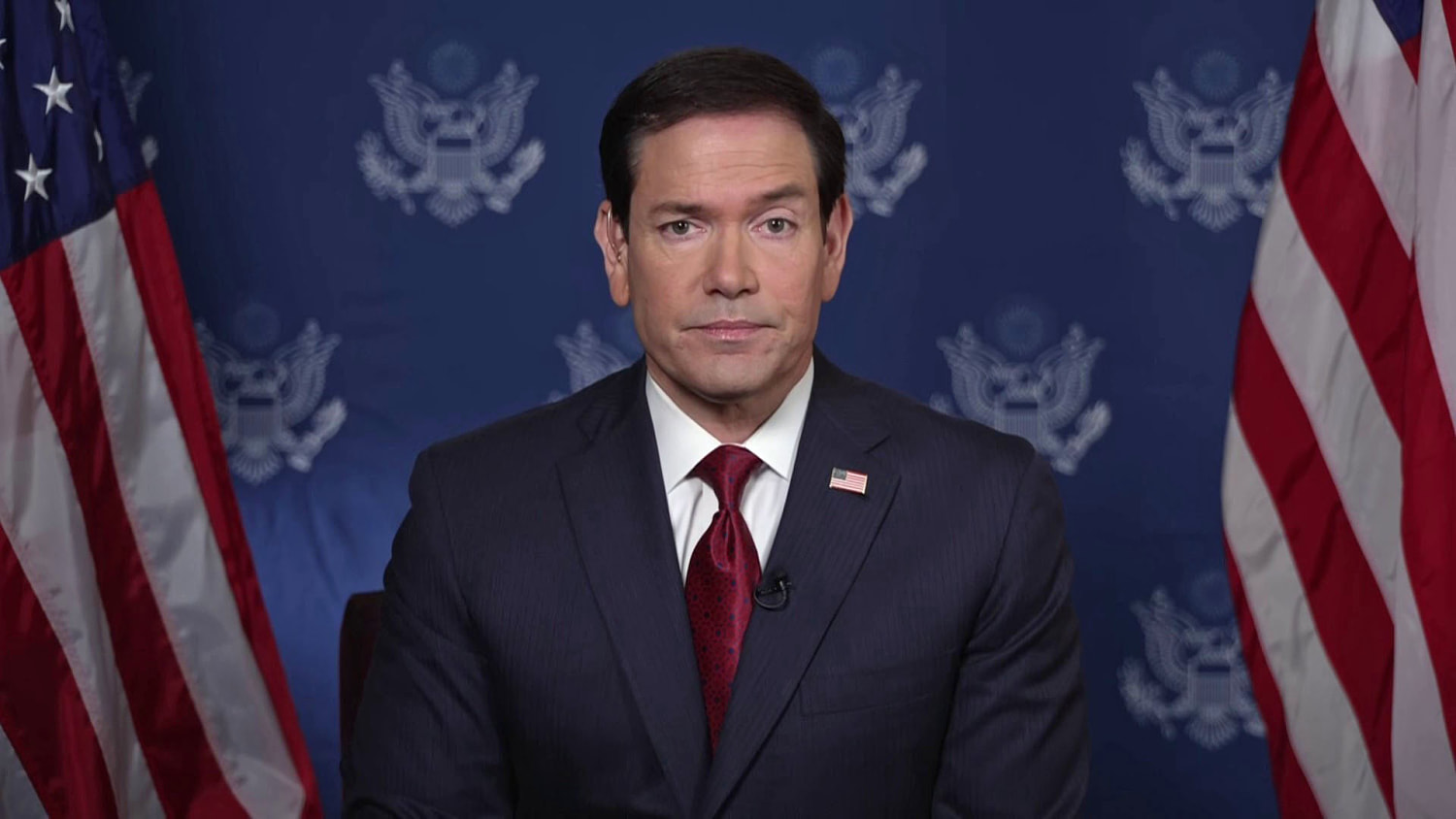
The video above outlines the official announcement regarding the targeted removal of marketplace enrollments.