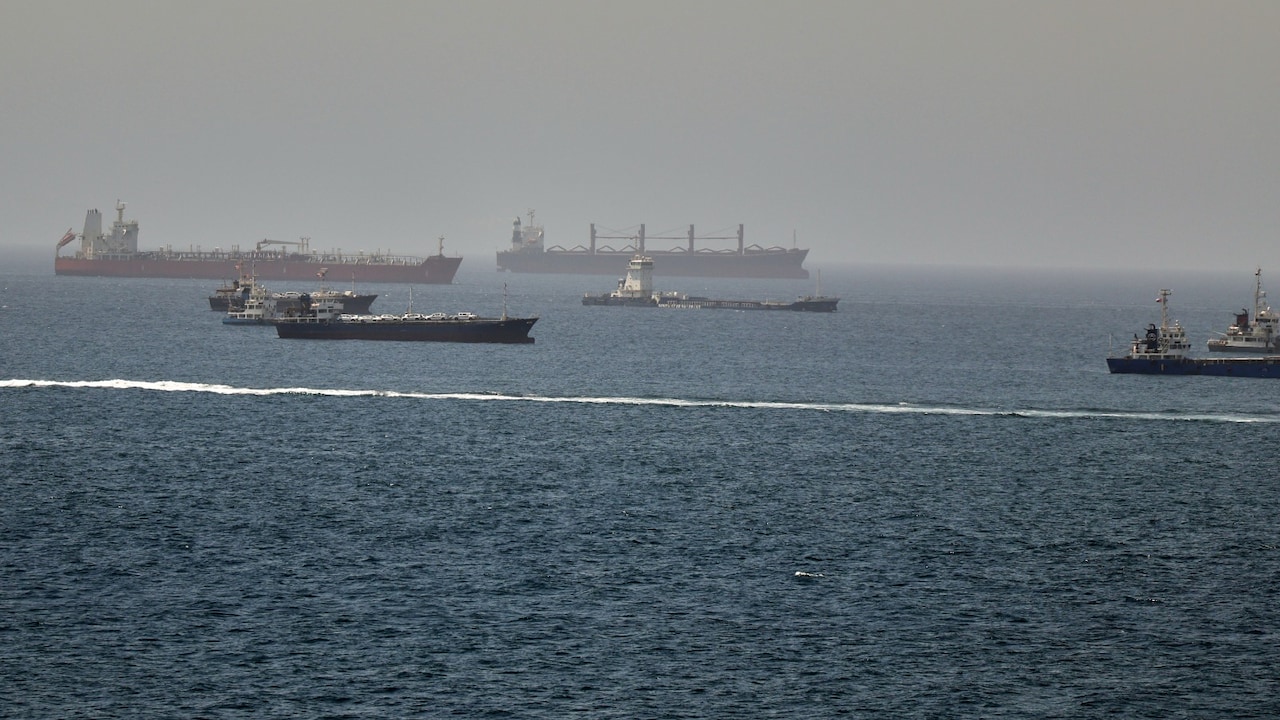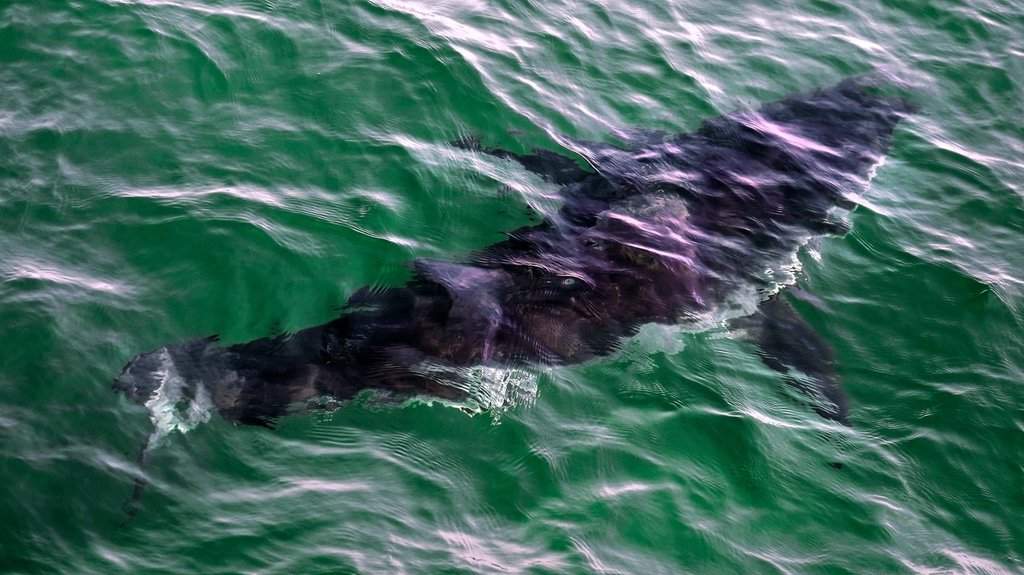
The September 2026 great white shark attack off Percé, Quebec, marks a statistical anomaly turned empirical reality for Atlantic Canada. A divemaster-in-training operating off the Gaspé Peninsula sustained upper-body injuries during a routine post-dive safety stop. While local media framed the event primarily through the lens of shock—noting it as the first recorded incident of its kind in the region—the structural reality demands a deeper examination of marine ecology, trophic shifts, and the biomechanics of apex predation in cold-water environments.
The Biogeographical Shift of Carcharodon carcharias
For decades, the Gulf of St. Lawrence was thermally isolated from significant resident populations of great white sharks. However, oceanographic tracking data collected by organizations such as OCEARCH reveals a shifting baseline. Subadult and adult females, including specimens weighing upwards of 1,300 pounds, now regularly transit the Maritimes into the Gulf during summer and early autumn warming cycles. You might also find this similar coverage interesting: The Behavioral Economics of Cabin Confinement Operational Failure and In Flight Restraint Protocol.
This geographic expansion is governed by thermal preference and prey availability. The Gulf represents a high-density foraging ground rich in marine mammals, specifically grey seals and harp seals. As seal populations have rebounded under conservation management over the last several decades, they have functioned as an ecological magnet, drawing apex predators northward along the Atlantic Seaboard. The presence of a great white shark off the Gaspé coast is not a random stochastic event; it is the predictable outcome of predator-prey dynamics tracking energy distribution.
The Micro-Anatomy of the Percé Incident
The operational timeline of the Percé dive provides a clinical case study in human-shark interaction dynamics under low-visibility, high-latitude conditions: As extensively documented in recent coverage by Al Jazeera, the implications are significant.
- Spatial Configuration: The dive team consisted of an instructor and multiple students maintaining proximity to a safety stop line at the termination of a 33-minute profile. The victim was positioned slightly apart from the primary structural reference point.
- Sensory Suppression: Cold, turbid sub-Arctic waters severely restrict visual acquisition for both human divers and pelagic predators. Sharks rely heavily on electroreception via the ampullae of Lorenzini and lateral line vibration sensing over close ranges.
- The Investcriptive Bite: The encounter was characterized by a single contact event followed by an immediate retreat. This aligns with standard predatory or investigative behaviors where great whites utilize an exploratory bite to assess the caloric and structural composition of an unfamiliar object. The absence of a sustained predatory sequence confirms the human target fell outside their preferred dietary profile.
The Structural Cost Function of Marine Recreation Management
The immediate reaction by local operators—suspending dive activities for the remainder of the season—highlights a reactive operational model common in emerging encounter zones. Unlike regions in Australia or South Africa with mature mitigation infrastructure, Atlantic Canada lacks institutionalized surveillance frameworks.
Implementing advanced coastal monitoring requires analyzing the cost-function trade-offs between economic disruption and risk mitigation:
- Aerial and Drone Surveillance: Effective in shallow, clear, tropical or temperate waters, but economically inefficient and technologically constrained in deep, high-current, expansive maritime environments like the Gulf of St. Lawrence.
- Acoustic Telemetry and Satellite Tracking: Highly effective for population-level mapping (e.g., tracking tagged sharks via pingers), but fundamentally limited in predicting individual micro-movements of un-tagged transient animals.
- Behavioral Modification Protocols: The highest-yield variable in diver safety. Establishing strict perimeter bubbles around safety stop lines, enhancing group cohesion, and minimizing silhouette disruption during ascents.
Strategic Operational Playbook for Cold-Water Dive Operations
Marine tourism operators in expanding shark habitats must transition from emotional risk management to structural protocol design.
- Mandatory Proximity Rules: Enforce strict tether or visual-contact rules during safety stops, eliminating isolated trailing positions where sensory isolation is highest.
- Acoustic Deterrent Integration: Evaluate the operational deployment of personal and vessel-mounted electronic deterrent systems that emit localized electrical fields designed to disrupt the ampullae of Lorenzini in elasmobranchs.
- Data-Driven Seasonal Zoning: Integrate real-time telemetry feeds from marine research networks into daily dive-planning risk assessments to quantify local probability density vectors before deployment.