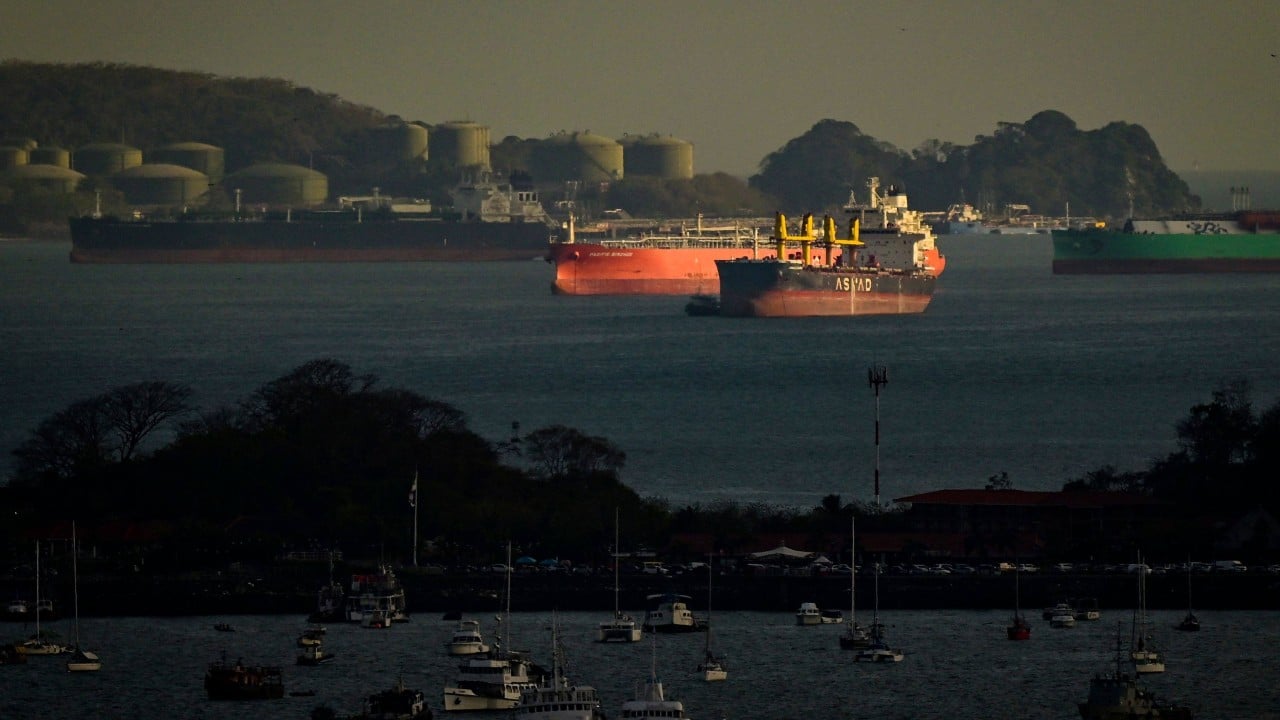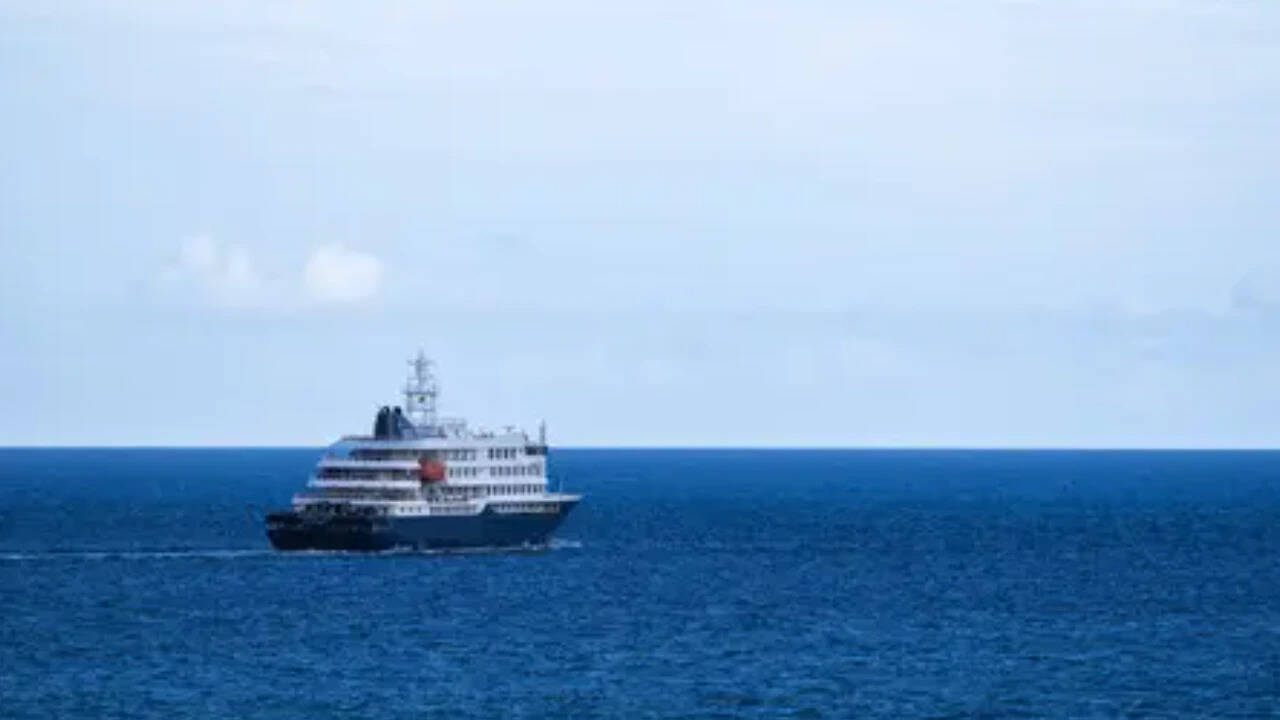
Global maritime logistics operates under a strict economic equation where speed, volumetric capacity, and fuel fungibility dictate market survival. International shipping accounts for approximately three percent of global greenhouse gas emissions, positioning the sector under intense regulatory scrutiny. While mega-containerships rely on bunker fuel to maintain high-frequency delivery schedules, niche operators experiment with zero-emission alternatives. Examining wind-powered cargo vessels—exemplified by traditional brigantines operating transatlantic routes into European ports—reveals a stark contrast between ideological sustainability and industrial-scale supply chain logistics.
The Operational Mechanics of Sail Cargo
The mechanical profile of a traditional sail-powered cargo vessel relies entirely on atmospheric kinetic energy converted through canvas rigging. Operating without primary engine propulsion eliminates bunker fuel combustion, shifting the operational constraint from fuel cost optimization to meteorological adaptation.
- Propulsion Dependency: Vessel velocity is strictly bound to prevailing barometric pressure gradients and wind vectors, yielding average transit speeds between seven and eight knots with a weather buffer factored into route planning.
- Payload Constraints: Cargo capacity in traditional sail configurations is severely restricted, typically hovering around 40 tonnes of high-value, non-perishable goods such as rum, coffee, and cocoa.
- Crew Intensity: Navigational management requires high labor inputs, combining professional mariners and voyage trainees to handle continuous sail adjustments and watch rotations.
This configuration creates an inverse relationship between carbon reduction and logistical throughput. Modern supply chains prioritize predictability and velocity, whereas sail cargo prioritizes emissions avoidance at the expense of time efficiency.
The Economic Cost Function
Evaluating the economic viability of wind propulsion requires examining how operating expenses scale against revenue generation in a micro-fleet model. Commercial shipping economics depend on economies of scale, where massive deadweight tonnage distributes fixed costs across millions of cargo units. Sail-powered vessels operate under entirely different cost parameters.
Traditional Logistics: High Capital Outlay -> High Volume -> Low Unit Cost
Sail Cargo Model:      High Labor Outlay   -> Low Volume  -> High Unit Price
To maintain solvency without government subsidization, operators must capture premium margins on the transported goods. This is achieved through three distinct financial mechanisms:
- Niche Product Labeling: Transporting specialized commodities that command inflated retail prices in affluent northern European markets.
- Value-Chain Integration: Retaining margins by branding and selling the transported goods directly under proprietary merchant labels.
- Passenger-Voyage Subsidies: Charging paying trainees and eco-travelers for berths aboard the vessel to offset transit overhead.
When applied to bulk commodities or intermediate manufacturing components, this cost function collapses. The unit economics simply cannot absorb the extended transit duration and low payload mass.
Systemic Bottlenecks in Scaling Wind Logistics
Scaling sail-powered transport to match contemporary industrial demand encounters severe structural barriers. These limitations prevent the model from expanding beyond localized, artisanal trade routes.
The first limitation is infrastructural incompatibility. Modern container terminals are engineered for rapid turnaround of vessels carrying thousands of twenty-foot equivalent units. A 32-metre sailing vessel carrying 40 tonnes occupies berth space and crane allocation inefficiently, creating friction in high-volume port ecosystems.
The second limitation involves weather routing unpredictability. Containerized shipping relies on strict just-in-time inventory models. Sail transport introduces variable transit windows dictated by oceanic storm systems and doldrums, rendering it incompatible with modern manufacturing supply chains that depend on component synchronization.
The third limitation centers on human capital scaling. Operating a rigging-heavy vessel demands specialized maritime skills that are scarce in contemporary labor markets. Transitioning from automated engine rooms back to manual sail handling requires an extensive training pipeline that does not scale with industrial labor pools.
Strategic Outlook for Maritime Decarbonization
While artisanal sail transport serves as an effective operational protest against bunker fuel emissions and highlights systemic overconsumption, it functions primarily as a symbolic benchmark rather than a systemic replacement for global trade fleets. The future of wind-assisted propulsion in commercial shipping points toward hybrid mechanical-aerodynamic systems—such as rotor sails, rigid wing sails, and suction wings fitted to conventional diesel or green-methanol vessels—which capture wind energy to reduce fuel consumption without sacrificing hull speed, cargo volume, or schedule integrity.