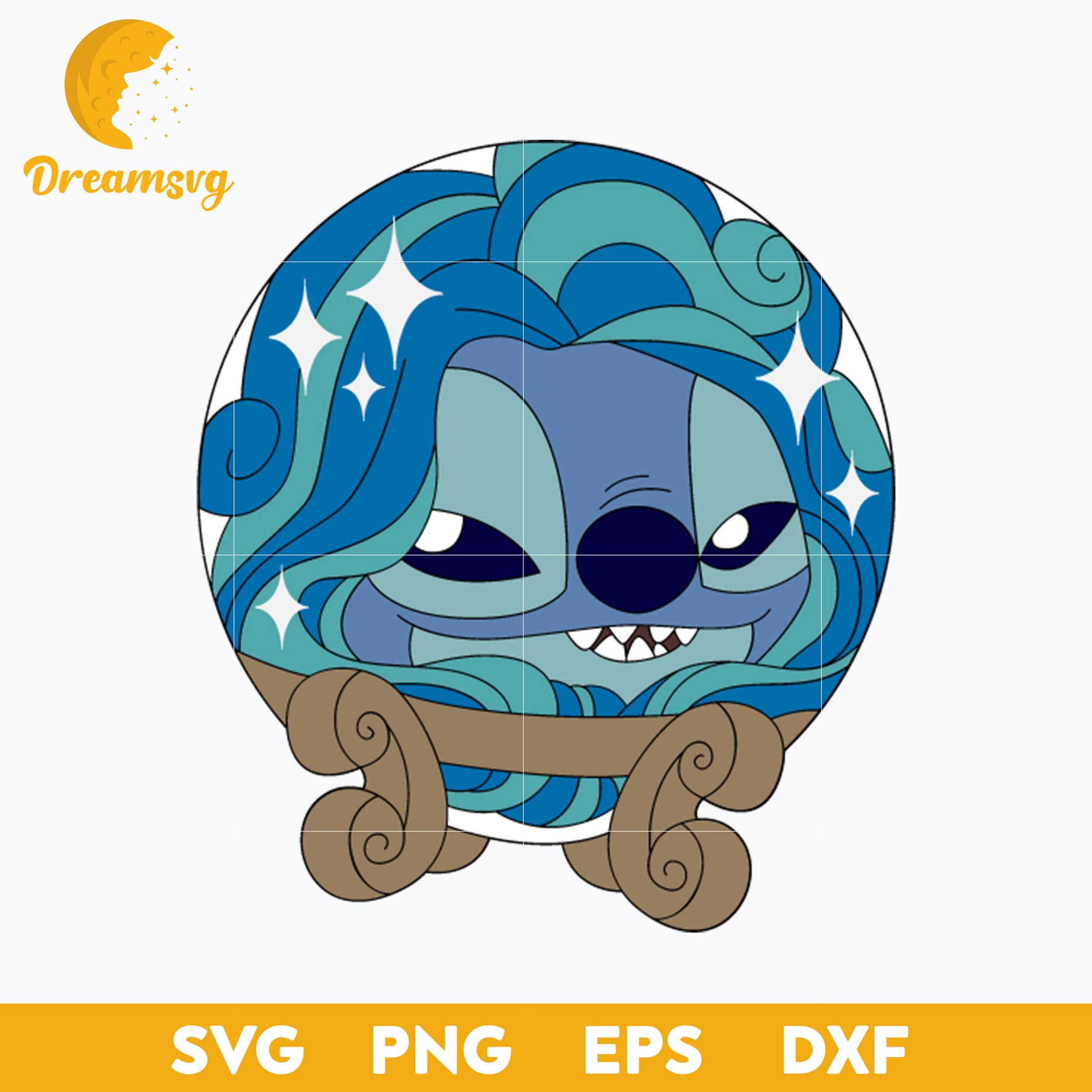
If you’ve ever sat in a Doom Buggy, you know the moment. The air gets a little colder. The smell of dust and old wood fills your nose. Then, you’re there—the Séance Room. Floating right in the middle of a dark, cluttered space is a glowing orb. Inside that haunted mansion crystal ball, a woman’s head is spinning, chanting incantations to wake the spirits.
It's Madame Leota.
She’s basically the heartbeat of the attraction. But honestly, most people have no idea how much drama, technical failure, and sheer genius went into making that single floating head work. It isn’t just a screen in a jar. It's a masterclass in 1960s practical effects that somehow still holds up in a world of 4K CGI and augmented reality. People still stare at it and ask, "How?"
The Face Behind the Glass
The woman in the ball isn't some random actress. She was Leota Toombs, a legendary Imagineer. It's kinda wild when you think about it—she worked in the Model Shop, normally tucked away from the cameras. But during development, the lead designers, like Rolly Crump and Yale Gracey, needed a face to test their new projection ideas. Leota had these sharp, expressive features that just worked.
They sat her down, put her head in a vice (literally, to keep her still), and filmed her.
But there’s a catch. While it’s Leota’s face you’re seeing, that iconic, chilling voice belongs to Eleanor Audley. You’ve definitely heard her before. She was the voice of Maleficent in Sleeping Beauty and Lady Tremaine in Cinderella. Imagineers felt Leota’s natural voice was a bit too sweet for a medium summoning the dead, so they dubbed Audley over her. It’s a Frankenstein’s monster of a performance.
Interestingly, if you listen closely to the "Little Leota" at the very end of the ride—the tiny figure telling you to "hurry back"—that’s actually Leota Toombs' real voice. They finally let her speak for herself right before you exit the building.
How the Haunted Mansion Crystal Ball Actually Works
Okay, let’s talk tech. This is where things get nerdy but cool.
Back in 1969, they didn't have tiny LED screens or holographic projectors. They had to use film. The original setup for the haunted mansion crystal ball utilized a technique called rear-projection.
Basically, they had a translucent white head mold inside the glass sphere. A projector hidden below or behind the scenes would beam the 16mm film onto the back of that mold. Because the mold was shaped like a human face, the 2D film took on a 3D appearance. It’s a simple trick, but the alignment has to be perfect. If the eyes on the film are off by even a fraction of an inch from the "eyes" on the mold, the whole thing looks terrifying in a bad way.
The 2000s Upgrade
Technology eventually caught up with the ghosts. In the early 2000s, Disney realized that 16mm film projectors are a nightmare to maintain. They break. They jitter. They get hot.
So, they swapped the old system for internal projection.
Now, the projector is actually inside the head mold. They use fiber optics and miniature digital projectors. This is why Leota looks so much brighter and crisper today than she did in the 80s. She also floats now. In the original version, she was pretty stationary because of the bulky equipment. Now, she drifts around the table, making the Séance Room feel way more fluid and alive.
Some purists hate it. They miss the graininess of the film. But honestly? The new version allows for much better eye-tracking. She actually feels like she's looking at the guests in the Doom Buggies now.
The Séance Room's Secret Layering
The ball is the star, but the room makes the scene. It’s all about forced perspective and the "Pepper’s Ghost" effect, though Leota herself isn't a Pepper's Ghost. That’s reserved for the ballroom scene later.
What makes the haunted mansion crystal ball feel so real is the clutter. You have the floating instruments—the tambourine, the drum, the harp—which are physically there, moving on hidden wires or mechanical arms. By surrounding a "fake" projected head with "real" physical objects that are also defying gravity, your brain gets confused.
It's a psychological trick. If the harp is real and it's floating, then the head in the ball must be real too, right?
Yale Gracey, the "wizard" of the Mansion, was obsessed with this. He knew that if you only used one type of trick, the audience would figure it out. By layering projections, mechanical movement, and audio-animatronics, he created an environment where you just give up trying to solve the puzzle and enjoy the spookiness.
Why Leota Almost Didn't Exist
Believe it or not, the Mansion was stuck in "development hell" for over a decade. Walt Disney himself couldn't decide if it should be funny or scary.
Ken Anderson, one of the early designers, had a much darker vision involving a bloody sea captain. If they had gone that route, we might never have gotten the whimsical, rhyming séance we have today. It was only after Walt passed away that the team, led by Marc Davis and Claude Coats, reached a compromise. Coats wanted eerie environments (like the hallway of doors), and Davis wanted "gag" characters (like the graveyard ghosts).
Madame Leota is the bridge between those two worlds. She’s eerie, but her rhymes are catchy. She’s a ghost, but she’s also a physical object in a room.
Spotting the Variations
If you're a true fan, you know that not all Leotas are created equal.
- Disneyland (California): The original. The room feels a bit more intimate.
- Magic Kingdom (Florida): This version features the "floating" ball effect that was added during the 2007 renovation.
- Tokyo Disneyland: Very similar to Florida, keeping that classic vibe.
- Phantom Manor (Paris): This is the outlier. In Paris, the "Leota" character is actually the bride's mother (or a version of her), and the dialogue is in French. It’s much darker and fits the tragic storyline of that park's version.
The Haunted Mansion Holiday Overlay
Every year in Anaheim, the haunted mansion crystal ball gets a makeover. From September through December, the Nightmare Before Christmas crew moves in.
Leota gets replaced by... well, herself, but themed. Instead of her usual incantations, she recites the "13 Days of Christmas." They usually change the projection to include festive, creepy colors. It’s one of the few times Disney messes with the core mechanics of the effect, and it’s a huge draw for locals.
Actionable Insights for Your Next Visit
If you want to actually "see" the trick, there are a few ways to do it without ruining the magic.
First, watch the base of the table. In the versions where she floats, you can sometimes see the thin mechanical arm if your eyes adjust to the darkness. But don't look too hard—it's like looking for the wires on a puppet.
Second, pay attention to the reflections. Because the "ball" is a glass sphere, it picks up the light from the floating instruments around it. This is why Disney has to be so careful with lighting in that room. One stray light bulb and the projection on the head mold would be washed out completely.
Next Steps for the Haunted Mansion Enthusiast:
- Check the Sightlines: Next time you ride, try to look at the ball from the extreme left and then the extreme right as you curve around the room. You’ll notice how the projection "wraps" around the mold.
- Listen for the Loop: The séance script is on a specific timer. See if you can identify the exact moment the projection resets. It's seamless, but there's a tiny "beat" where her head returns to the starting position.
- Explore the Lore: Look up the "Museum of the Weird." It was a concept by Rolly Crump that never got built, but many of its ideas—including talking chairs and strange orbs—ended up influencing the Séance Room.
- Photography Tip: Don't use flash. Seriously. Aside from being "that person" who ruins the ride, flash photography completely kills the rear-projection. You’ll just end up with a photo of a white plastic head and a very annoyed ghost host.
The haunted mansion crystal ball remains a pinnacle of theme park design because it doesn't rely on screens alone. It's a physical object that occupies space, making it feel dangerous and present. Whether she's floating in Florida or spinning in California, Madame Leota is proof that sometimes, the old tricks are still the best ones.