The coffee in the dispatch center had gone cold hours ago. Outside, the night was a heavy, indifferent blanket of black, swallowing the edges of the tarmac where the emergency vehicles idled with their lights muted. Inside, the hum of computer fans and the occasional crackle of a radio frequency formed the only soundtrack to a waiting that no one ever trains for.
At moments like this, the human mind plays tricks. You stare at a green sweep on a glass screen, watching a digital line paint the empty air over and over again, as if sheer willpower could force a blip to materialize where nothing has been for hours.
Six souls. That was the dry logistical shorthand typed into the initial dispatch logs. Six people. Two flight crew members, a medical crew, a patient, and a companion. To the radar data, they were a vector, an altitude, a ground speed. To the families huddled miles away in sterile waiting rooms, clutching damp tissues and glowing cell phones, they were an entire universe of laughter, birthdays, unfinished conversations, and tomorrow morning's coffee.
Then came the radio call everyone dreads. Debris found.
Silence in the room deepened. Not the quiet of peace, but the heavy, leaden silence that settles when an abstract emergency collides with physical reality.
We forget, in our comfortable homes beneath warm blankets, how thin the margin is between human civilization and the raw, unyielding elements. We board planes, trains, and automobiles with a casual, almost arrogant faith that machinery will hold, that navigation systems will pierce the fog, that someone, somewhere, is always watching over the frequency. Most of the time, that faith is rewarded. The engines hum. The wheels touch down. The doors open to the smell of jet fuel and home.
But sometimes, the sky closes its fist.
Consider what happens in the cockpit of a medical transport flight during an emergency. This is not a commercial liner with a hundred passengers and a corporate playbook written by committees. Medical transport flights operate in the margins. They fly when others stay grounded. They launch into freezing rain, unforecasted turbulence, and impenetrable night because a human life on the other end of the radio is flickering out, and seconds are the only currency that matters.
In that cockpit, long before the radar signal flatlined, there would have been a sudden, chilling shift in the atmosphere. The casual chatter dies. Hands move across backlit instrument panels with practiced, desperate precision. Every alarm tone carries a specific terror. The pilot is fighting the controls, reading instruments that are spinning tales of betrayal, calculating glide ratios and wind shear in fractions of a second. The medical crew, strapped into the back beside life-support equipment, bracing against the violent buffet of a dying aircraft, are holding onto each other and praying for a miracle break in the weather.
They were flying into the dark because someone asked them to save a life. That is the haunting, beautiful paradox of emergency aviation. The people who staff these flights do not wear capes; they wear crumpled flight suits and carry heavy medical bags. They miss Thanksgivings, soccer games, and quiet Tuesdays at home because they have chosen a vocation built entirely on the premise that a stranger's emergency matters more than their own comfort.
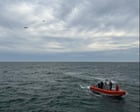
When the U.S. Coast Guard launched their search patterns, they did not fly into a clean, well-lit rescue zone. They flew into the same terrifying weather that had eaten the medical plane.
Search and rescue is an exercise in heartbreaking geometry. Crews map out drift vectors, wind currents, tidal pulls, and radar shadows. They grid the ocean or the dense, jagged wilderness like forensic investigators looking for a needle in a haystack that is constantly moving. Every wave crest looks like a wingtip in the moonlight. Every shadow in the brush looks like a fuselage. The eyes burn from strain; the stomach churns from the relentless pitching of the hull or the violent yaw of the search helicopter.
Searchers are a unique breed of humans. They are the ones who run toward the catastrophe when everyone else is retreating. They spend their nights staring into black water or scanning snow-covered peaks, holding onto a fragile, stubborn hope that they will find someone alive, even when their rational minds know the odds. They carry the weight of every unsuccessful mission like stones in their pockets, yet they fuel up the aircraft again for the next dawn patrol.
The discovery of debris changes the emotional physics of the search. It shifts the horizon from rescue to recovery.
It is a terrible thing, a piece of aircraft metal found floating in the vastness of nature. It is tangible proof of the unthinkable. To the casual observer reading a morning headline, it is just a data point in a news feed. Debris found. A three-second read before scrolling down to sports or weather.
But to the families, that phrase is an earthquake. It strips away the comforting ambiguity of hope and replaces it with the agonizing certainty of loss. It means the search has shifted from looking for a heartbeat to looking for closure.
We live in an era that worships absolute control. We have algorithms predicting our commutes, smart thermostats regulating our living rooms, and instant communication with any point on the globe. We have convinced ourselves that nature has been conquered, domesticated, and filed away into spreadsheets.
Then a small plane vanishes into the night, and the illusion shatters.
We are reminded, painfully, that the earth is vast, indifferent, and wild. We are reminded that human life is astonishingly fragile, a small spark of consciousness holding court against the dark.
As the Coast Guard cutters and search aircraft continue their sweep of the debris field, tracing the silent currents of where the plane went down, we are left to reckon with the invisible network of sacrifice that hums beneath the surface of our daily lives. Every time we flick a light switch, swallow a prescription pill, or board a flight, we are standing on the shoulders of people who risk everything in the shadows so we can live in the light.
The six people on that medical plane did not know they were stepping into history. They were simply doing their jobs. They were answering the call of a system designed to catch us when we fall.
When the sun finally crests the horizon over the search zone, casting a pale, cold gold across the water or the trees, it will not bring easy answers. It will illuminate a piece of metal, a ripple in the water, a quiet tribute to ordinary people who did extraordinary things until the very last second.
And in that quiet dawn, the rest of the world wakes up, pours their coffee, checks their phones, and keeps moving. But somewhere out on the water, the searchlights are still sweeping the dark, refusing to let the missing be forgotten.