Cabin pressure is an invisible contract. You board a pressurized aluminum tube, surrender your weight to an engineered ecosystem, and trust that miles above the earth, a thin boundary of synthetic air will keep your lungs expanding and your blood where it belongs. You read a magazine. You spill a drop of lukewarm ginger ale on your tray table. You wait for Chicago.
Then the floor drops out.
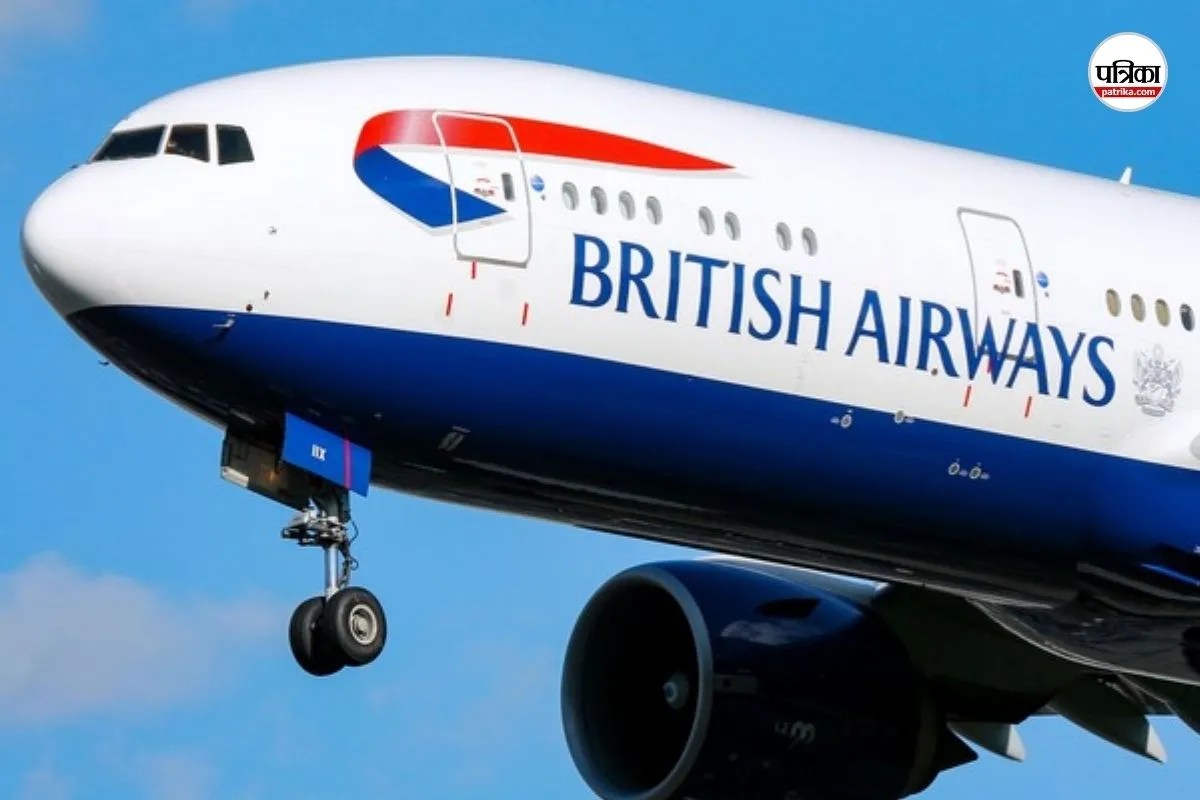
Imagine the sudden physics of twenty-eight thousand feet lost in a matter of minutes. To the casual passenger staring into the clouds, it is a localized apocalypse. Oxygen masks drop like yellow fruit from the ceiling—a collective, industrial gasp. The air turns thin, cold, and frantic. In the cockpit of a British Airways flight bound for O'Hare from London, the altimeter unwinds like a spool falling down a flight of stairs.
This is the story of that plunge, but more importantly, it is the story of what happens when the silent machinery of modern aviation meets the absolute vulnerability of human flesh.
The Geography of Altitude
At thirty-eight thousand feet, the sky is not blue; it is an indifferent, bruised purple. The air pressure is barely a quarter of what it is at sea level. Without an artificial container, your blood boils at body temperature, and consciousness slips away in less than a minute.
When a modern airliner experiences a sudden loss of cabin pressure, the standard operating procedure is not a suggestion. It is a violent, highly choreographed ballet of survival. The flight crew does not have the luxury of panic. They must pitch the nose down, dive through the soup of the upper troposphere, and race toward a denser, breathable atmosphere where human lungs can function without chemical assistance.
Twenty-eight thousand feet of vertical descent is not a gentle slope. It is an emergency dive designed to bleed altitude as fast as structural integrity allows. In aviation terms, it is known as an emergency descent. To the people in row thirty-two, it feels like an elevator cable snapping in a skyscraper that reaches the stratosphere.
Let us construct the scene through the lens of a hypothetical passenger—call her Sarah—who booked a window seat on the left side of the aircraft to watch the Greenland ice sheet drift past.
She has her headphones on. A podcast is murmuring in her ear. Her carry-on bag is tucked firmly beneath the seat ahead. The hum of the Rolls-Royce engines is a constant, rhythmic white noise that lulls the cabin into a collective somnambulism.
Then comes the sound. It is not a bang, necessarily, but a sudden, visceral shift in the acoustics of the world. A roar of rushing air, sharp and hollow. The yellow masks deploy with a sharp hiss, dangling like strange, mechanical spiders.
In that exact microsecond, the abstract statistics of flight safety evaporate. The brochures in the seatback pocket, the safety demonstration performed by flight attendants with practiced, disengaged smiles—they all vanish. Sarah reaches up. Her fingers fumble with the yellow rubber cup. She pulls it toward her face, loops the elastic band over her ears, and cinches it tight.
She breathes. The chemical smell of oxygen generators fills her nose—warm, slightly metallic, burningish.
Beside her, a man drops his phone. It clatters against the floor panel. No one picks it up.
Behind the Flight Deck Door
While the cabin fills with the sound of ragged breathing and the flutter of yellow plastic, the forward office is an entirely different universe of controlled chaos.
We often forget that commercial pilots are not bus drivers in uniforms; they are tactical decision-makers navigating a high-stakes physics experiment. When the warning lights illuminate and the cabin altitude alerts shriek, the captain and first officer do not wonder what is happening. They execute.
Memory items. Immediate action drills.
Oxygen masks on. Thrust levers idle. Speedbrakes deployed. Pitch down.
The aircraft—a massive, multi-ton marvel of composite materials and titanium—reacts instantly. The nose pitches downward. The horizon tilts at an unnatural, terrifying angle. For the passengers, it feels as though the plane is tumbling out of the sky. In reality, the pilots are flying the machine down an invisible chute to preserve the most precious cargo on board: breathable air.
Communication with air traffic control is clipped, urgent, and stripped of all pleasantries. A squawk is entered into the transponder. The emergency is declared not with dramatic flair, but with the flat, chilling precision of professionals who know that every syllable spoken is seconds stolen from safety.
Mayday. Mayday. British Airways flight... rapid descent... leveling off at ten thousand feet.
At ten thousand feet, the air thickens. The pressure stabilizes. The mechanical urgency of the dive gives way to a new kind of tension: the long, quiet realization of what just happened.
The Aftermath of the Plunge
Planes do not simply fall out of the sky for no reason. When a commercial jetliner plunges nearly six miles in minutes, it leaves behind a trail of unanswered questions that will be dissected by safety boards, engineers, and data analysts for months. Was it a seal failure? A structural compromise in the fuselage? A transient valve malfunction that tricked the sensors and forced an automated or manual emergency response?
Whatever the mechanical truth turns out to be, the human residue remains long after the wheels touch down on the tarmac at O'Hare.
Consider the atmosphere inside the terminal after such an event. Passengers disembarking from an emergency flight do not look like normal travelers. They walk off the jetway with a strange, suspended gait. Some are talking too fast, laughing at nothing in particular, high on the lingering adrenaline of survival. Others are entirely silent, staring at their phones, calling family members just to hear a familiar voice confirm that the ground is still solid beneath their feet.
Sarah retrieves her bag from the overhead bin. Her hands are steady now, but her knuckles are white. She walks out into the terminal, past the advertisements for Chicago deep-dish pizza and rental cars, feeling like a ghost who accidentally wandered back among the living.
The Fragile Contract
We live in an era that treats travel like a commodity. We complain about delayed baggage, cramped legroom, and mediocre airline snacks as if we were riding a commuter bus across town. We forget the sheer audacity of flight. We forget that we are hurling ourselves through the stratosphere at five hundred miles per hour inside a pressurized tin can, separated from a freezing, airless void by a few inches of aluminum and insulation.
When an incident like the British Airways London to Chicago flight occurs—when the altitude tape unwinds with terrifying speed and the masks drop—it serves as a violent reminder of the contract we sign every time we step onto a plane.
It is a contract built on faith in invisible engineering, rigorous training, and the steady hands of strangers sitting behind a locked door at the front of the cabin.
Most days, that contract holds. The flight is boring. The ginger ale stays in the cup. The plane lands on schedule.
And on the rare days when it doesn't—when the sky reaches in and shakes the cabin until our teeth rattle—we are reminded of how desperately thin the margin is between our ordinary lives and the abyss.
The plane lands. The doors open. The heavy, familiar scent of jet fuel and city air rushes in. But up there, in the cold, thin silence of the upper atmosphere, the drop echoes on.