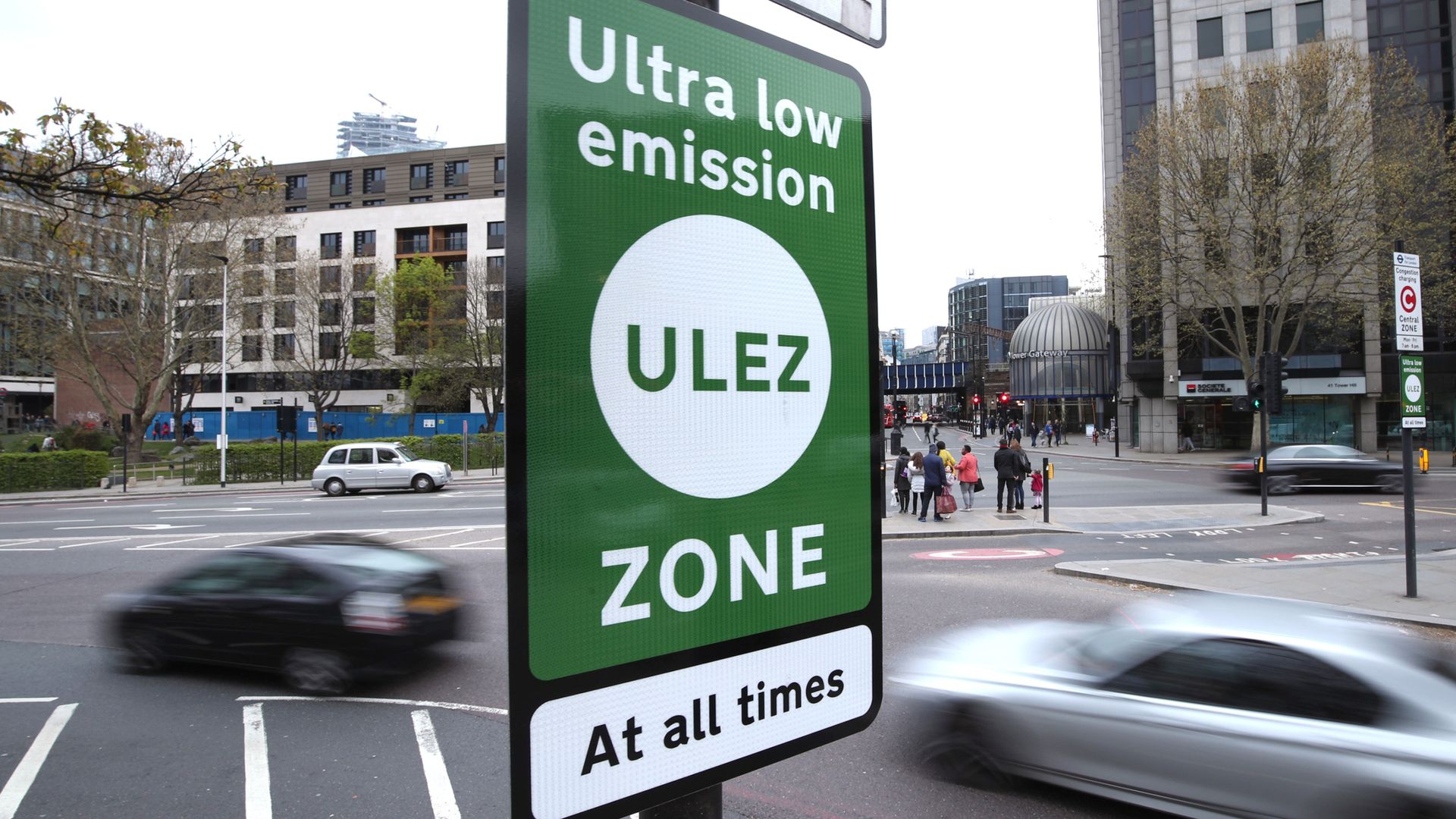
You have heard the endless political arguments about traffic charges and vehicle restrictions. Most people treat low-emission zones as nothing more than a tax on driving or a bureaucratic headache. But real data just changed the entire conversation.
Children growing up in London actually recovered normal lung capacity after the capital introduced its Ultra Low Emission Zone. Their lungs caught up.
For years, toxic city air silently stunted the physical development of young kids. Now, we have proof that aggressive environmental policy can reverse the damage.
The Brutal Reality of City Air on Developing Bodies
Young children absorb pollution differently than adults do. They breathe faster, take in more air relative to their body size, and their heads sit closer to the level of vehicle tailpipes.
Before London launched its clean air policy, scientists found a grim baseline. Children living in heavy traffic zones had significantly smaller lungs than their peers growing up in cleaner towns like Luton.
We aren't talking about minor differences. We are talking about a five to ten percent reduction in lung capacity by age eight or nine. That kind of deficit sets people up for chronic respiratory disease, lifelong asthma, and cardiovascular problems decades down the road.
When the policy started charging older, highly polluting vehicles a daily fee to enter the city, critics called it an unfair cash grab. They missed the point entirely.
What the Landmark Study Actually Found
Researchers from Queen Mary University of London tracked thousands of primary school children aged six to nine across both London and Luton over a multi-year period. They measured pulmonary function annually.
At the start, London kids lagged behind. But as the clean air restrictions bit down, exposure to nitrogen dioxide in the capital dropped twice as fast as it did in the control group.
By the end of the observation window, the gap vanished.
- The proportion of London children with clinically impaired lung function dropped from 14 percent down to 9 percent.
- Growth rates accelerated so sharply that young Londoners' lung capacity matched that of children in cleaner areas.
- The correlation between falling nitrogen dioxide levels and improved lung metrics was direct and undeniable.
Skeptics argue about external variables like pandemic lockdowns or changes in walking habits. Even independent biostatisticians note that urban environments are messy. Even so, the trajectory is clear. Clean up the exhaust, and the human body starts to heal itself.
Why This Changes Urban Planning Everywhere
For decades, city planners treated pollution as an unavoidable tax of modern civilization. You want a massive economic hub? You accept a cloud of smog.
This research shatters that excuse. It proves that environmental interventions yield biological dividends much faster than old models predicted.
If you live in a dense metropolis, air quality isn't just an abstract political talking point. It determines whether your kids grow up with a fully functional respiratory reserve.
Cities across the globe face a choice. They can protect status-quo driving habits, or they can protect the physical capacity of the next generation.
Check the local air quality standards in your area and support regional initiatives that restrict heavy particulate traffic near schools. Push for pedestrian zones and stricter emission thresholds where your family lives.