Most media companies treat new subscribers like royalty and loyal readers like an afterthought. You see it everywhere. Flashy discounts for the first three months, followed by a massive price hike that hits the people who actually stick around. It's a broken system.
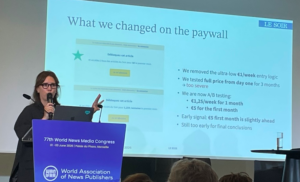
The Belgian daily newspaper Le Soir is trying something completely different. Instead of punishing longevity, they're experimenting with a pricing strategy that actively rewards it. They want to turn the traditional subscription funnel on its head. It's a bold move in an industry desperately trying to figure out how to keep digital revenue steady.
This approach matters because churn is killing digital publishing. Acquiring a subscriber is expensive. Losing them after six months because the introductory rate expired is a waste of resources. By shifting the focus to long-term value, Le Soir is addressing the real problem in modern media consumption.
The Problem with the Acquisition Trap
Publishers have spent the last decade obsessed with growth metrics. They tracked total subscriber numbers without looking closely at retention. This led to aggressive discounting campaigns. You get three months for a dollar, then the price jumps to twenty dollars a month.
What happens next? People cancel. This behavior created a cycle of continuous churn. Publishers constantly hunt for new users just to replace the ones leaving out the back door. It's exhausting and inefficient.
Le Soir recognized this flaw. Their experimental model flips the incentive structure. Instead of offering the best deals to strangers, they give the best rates to the people who have supported them for years. It changes the psychology of the subscription. It makes the reader feel valued rather than exploited.
How the Loyalty Pricing Model Works
The mechanics are straightforward but require a lot of back-end flexibility. Le Soir tracks the duration of a subscription. As the length of tenure increases, the monthly cost decreases or the subscriber unlocks premium benefits that aren't available to newcomers.
- Year One: Regular pricing applies, establishing a baseline value for the journalism.
- Year Three: The monthly rate drops slightly, or exclusive ad-free features unlock.
- Year Five and Beyond: Maximum discounts apply, cementing the reader's status as a core supporter.
This structure mimics a loyalty program but applies it directly to the core product pricing. It runs counter to traditional SaaS models where prices only go up. For a legacy brand like Le Soir, which relies on its reputation and community trust, this building of goodwill is a smart play.
Shifting Focus from Volume to Lifetime Value
To make this work, internal metrics have to change. Media executives need to stop staring at raw acquisition numbers. The metric that matters now is Customer Lifetime Value (CLV).
Think about it. A subscriber who pays ten dollars a month for five years straight is worth far more than a subscriber who pays two dollars for three months and quits. The long-term reader requires zero marketing spend after the initial signup. They provide predictable, recurring revenue that allows a newsroom to plan for the future.
Traditional Model: High Churn = High Marketing Spend
Loyalty Model: High Retention = Stable Revenue & Low Acquisition Cost
This strategy also changes how newsrooms approach content. When you chase quick signups, you tend to lean on sensational headlines and clickbait. When you focus on keeping people for five years, you invest in deep investigative reporting, local accountability, and high-quality analysis. You write for the people who care, not the people who just happened to click a link on social media.
The Hidden Risks of Rewarding Longevity
It sounds great in theory, but the financial transition is tricky. Lowering prices for your most loyal cohorts means taking an immediate hit to average revenue per user (ARPU) from the very group that generates most of your cash.
If your core base is already paying full price without complaining, giving them a discount might seem like leaving money on the table. Le Soir has to balance the long-term reduction in churn against the short-term dip in revenue. It's a calculated gamble. They wager that the extended lifespan of the subscription will more than make up for the lower monthly rate.
There's also the operational challenge. Legacy subscription billing systems are notoriously rigid. They're built for flat rates or scheduled increases. Modifying software to automatically lower prices based on individual user history requires serious engineering effort.
What Other Publishers Can Learn Right Now
You don't have to completely overhaul your pricing page tomorrow to learn from this experiment. Start small by looking at your data. Identify your longest-running subscribers and find ways to acknowledge them.
Don't wait for them to threaten to cancel before you offer a better rate. Reach out proactively. Send an email acknowledging their five-year milestone. Give them a perk that doesn't cost you anything, like an ad-free experience or early access to a new newsletter.
Stop prioritizing the casual clicker over the dedicated reader. Review your acquisition budget and allocate a portion of those funds toward retention initiatives. If you spend all your money courting people who don't know who you are, you'll eventually alienate the people who keep your lights on.