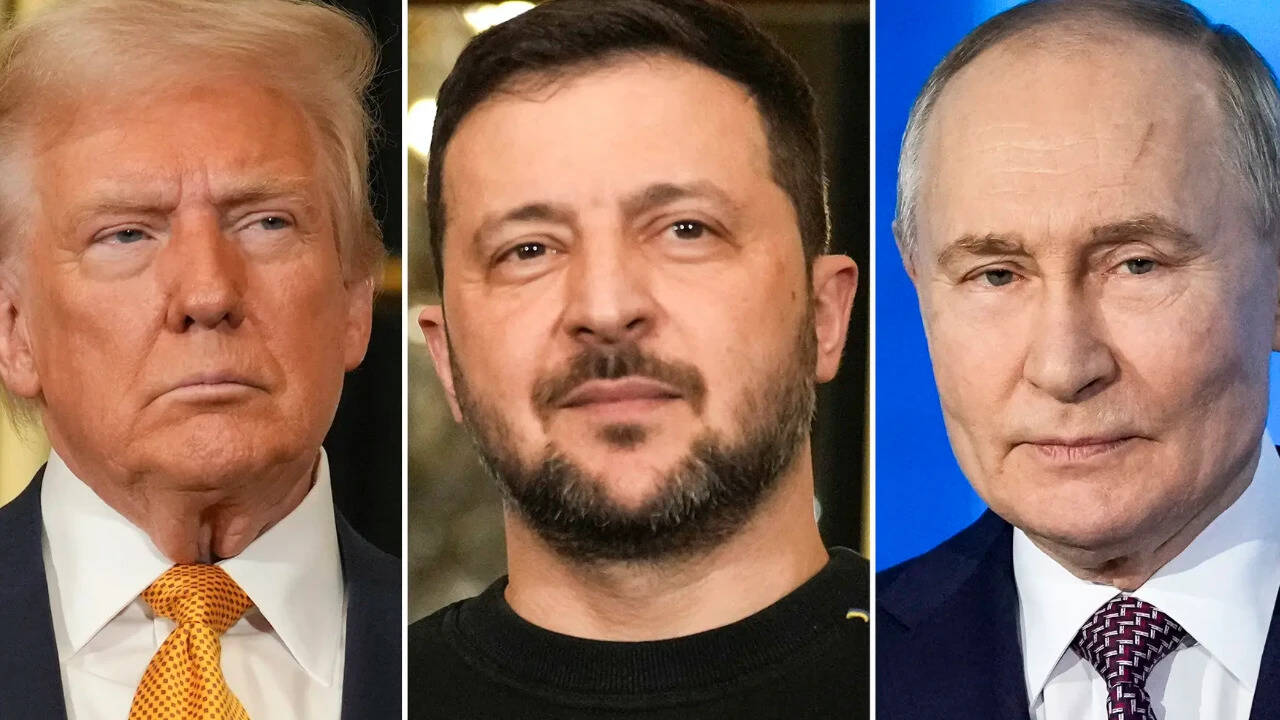
Diplomacy moves fast when political survival demands it. Steve Witkoff and Jared Kushner recently touched down in Moscow for a marathon three-hour session with Vladimir Putin. They brought a fresh peace framework from Washington. Everybody wants a headline about ending Europe's bloodiest conflict since 1945, but reality is messier than a White House press briefing.
You need to look past the staged handshakes in the Kremlin's Red Drawing Room. Moscow called the sit-down "highly useful", while Kyiv braced for the next wave of drones. Nothing fundamentally changed on the ground, yet the optics of renewed backchannel talks matter. Let's break down what is actually driving this sudden diplomatic sprint and why skepticism remains the only rational stance.
The Backstory on the Moscow Meetings
When US envoys walk into the Kremlin, stakes are high. This trip marked the third known visit by Witkoff and Kushner to Moscow, signaling a deliberate shift away from traditional State Department channels toward trusted family and business emissaries. Putin knows how to play this game. He praised Donald Trump's persistence during televised opening remarks, keeping lines open without offering any concrete territorial concessions.
Kremlin foreign policy aide Yuri Ushakov labeled the exchanges frank and constructive. Behind closed doors, the conversation didn't just stay on military lines. Both sides reportedly hashed out potential economic projects and bilateral investments. That detail is telling. Moscow wants economic relief and sanctions normalization just as much as it wants strategic dominance over eastern territories.
Putin used the meeting to frame the battlefield momentum entirely around Russian advances. He reminded the American delegation that his military objectives remain unchanged. When an adversary tells you they intend to win on their terms, believe them. The proposal brought by the US delegation faced immediate headwinds because Moscow refuses to entertain any temporary ceasefire that grants Ukraine breathing room to rearm.
Moving From the Kremlin to Kyiv
Diplomacy requires equal parts pressure on both capitals. Following the Moscow summit, Witkoff and Kushner boarded a train for Kyiv to meet with Volodymyr Zelenskyy. Both Russia and Ukraine implemented a temporary, highly fragile three-day pause on strikes targeting each other's capital cities. Unsurprisingly, peripheral fighting and drone interceptions continued across various regions anyway.
Zelenskyy made it clear that any enduring settlement requires ironclad security guarantees and zero tolerance for ceding sovereign land in regions like Donetsk and Luhansk. Ukraine's leadership finds itself in an impossible position. They are forced to engage with US-led proposals while watching aerial bombardment systematically target vital infrastructure ahead of winter.
European national security advisers from Britain, France, and Germany joined portions of the Kyiv discussions. Western allies worry about being sidelined by bilateral deals hatched between Washington and Moscow. Ukraine's stance remains firm: a just peace cannot reward unprovoked territorial theft.
What Most Analysts Miss About These Talks
Most commentators treat every high-level delegation visit as a turning point. That is a mistake. Real breakthroughs require overlapping minimum demands. Right now, those zones do not touch.
- Territorial Demands: Moscow insists on controlling entire provinces it only partially occupies. Kyiv views every square inch of sovereign land as non-negotiable.
- Security Architecture: The Trump administration previously slammed the door on NATO membership for Ukraine, which aligns with long-standing Kremlin demands, yet alternative security guarantees remain vague.
- Enforcement Mechanisms: Previous truces collapsed because neither side trusts the other's long-term intentions. A three-day pause for diplomatic optics does not translate into a sustainable ceasefire.
The timing also reveals political motivations. For months, Washington's foreign policy bandwidth got swallowed by conflicts in the Middle East. Restarting the Ukraine file allows the White House to project active peacemaking capabilities to domestic voters.
Expect plenty of high-stakes travel over the coming weeks, followed by incremental statements about "narrowing gaps." Until structural disagreements over land and sovereignty shift, these diplomatic missions function primarily as political theater rather than definitive peace pacts. Keep your eyes on the freezing weather approaching the front lines instead of trusting optimistic press releases.