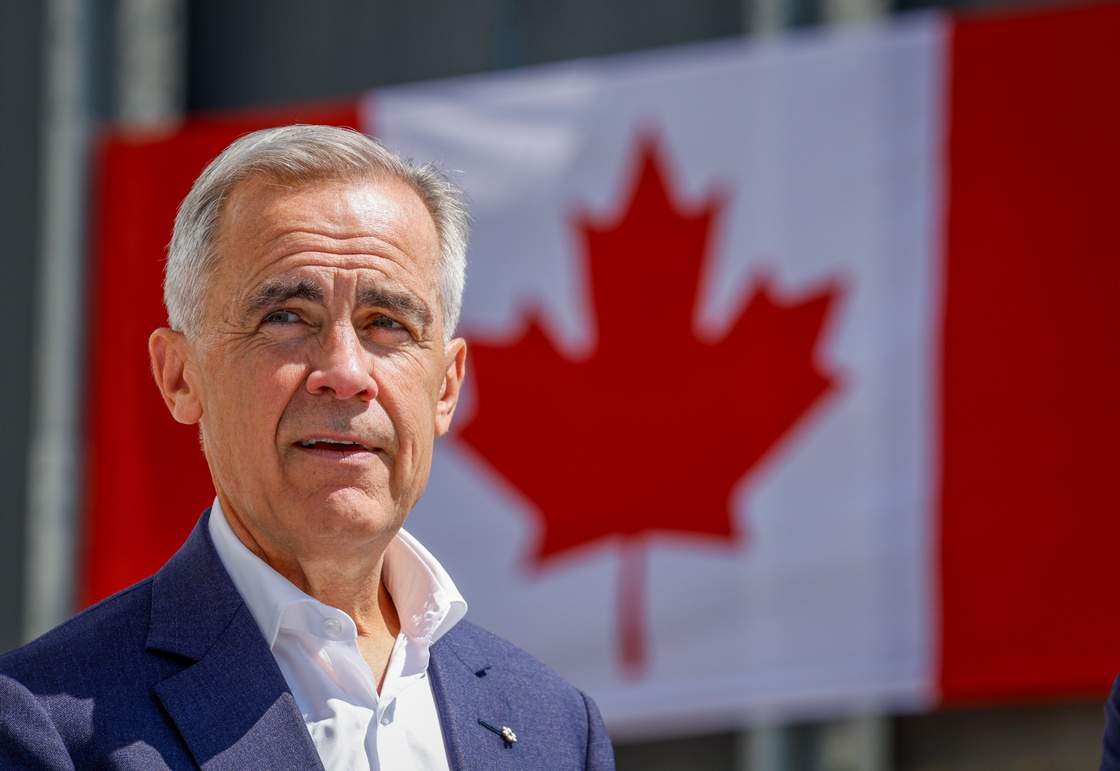
Trade negotiations between Ottawa and Washington always carry high stakes, but the latest high-wire act has pushed economic survival back into the headlines. Prime Minister Mark Carney announced that Canada and the United States are moving toward a finalized agreement, securing a temporary reprieve just hours before crippling new trade restrictions were set to hit.
If you are trying to understand what this means for cross-border commerce, you have to look past the political theater and examine the real mechanics of the agreement.
The Tariff Pause and What Triggered It
The immediate crisis began when the White House threatened a punishing 50 percent levy on roughly $20 billion worth of Canadian goods. This aggressive move targeted everyday exports, including manufactured goods, alcohol, and hockey equipment.
Pressure mounted as Canadian officials scrambled for an off-ramp. Following intensive phone calls between Carney and U.S. leadership, Washington agreed to a three-day pause to iron out documentation.
Trump claimed that Canada conceded key points on agriculture and trade restrictions, while Carney emphasized that the emerging terms reinforce the Canadian advantage in strategic sectors. Business leaders on both sides of the border breathed a sigh of relief, but uncertainty remains the dominant theme.
Why the Manufacturing and Supply Chain Anxiety Is Real
Trade wars rarely stay confined to high-level politics. They bleed directly into supply chains, raising operational costs for factories and inflating prices for consumers.
When automotive and manufacturing components face sudden fifty percent cost spikes, businesses cannot simply absorb those losses. They pass them down.
The Canadian Chamber of Commerce pointed out that while a temporary delay stops companies from closing up shop immediately, it doesn't provide the long-term stability required for massive capital investments. Executives need ink on paper, not temporary extensions, to plan quarterly budgets effectively.
What Both Sides Actually Want
Beneath the rhetoric, the negotiations hinge on specific structural grievances. The U.S. administration has long pushed for greater market access in dairy, automotive, and alcohol sectors, accusing Canadian policies of creating unfair disadvantages for American producers.
At the same time, Ottawa has fought to protect critical industries from volatile duties, aiming to shield Canadian steel, lumber, and automotive sectors from sudden shocks. Reports also point to discussions touching on digital trade alignment and broader economic security commitments.
Even older geopolitical touchpoints, such as the potential revival of the Keystone XL oil pipeline project, have surfaced in discussions about North American energy independence.
How to Protect Your Operations Now
If your business relies on cross-border logistics between the U.S. and Canada, waiting for absolute certainty is a losing strategy. Monitor the finalization of trade documents closely by checking official updates through the Global News Trade Coverage or reviewing financial analyses on Seeking Alpha.
Diversify your supplier base immediately if you rely too heavily on single-source cross-border inputs. Build pricing buffers into your Q4 forecasts to account for potential administrative policy shifts. Keep communication lines open with your customs brokers so you can react the moment final trade terms are signed into effect.