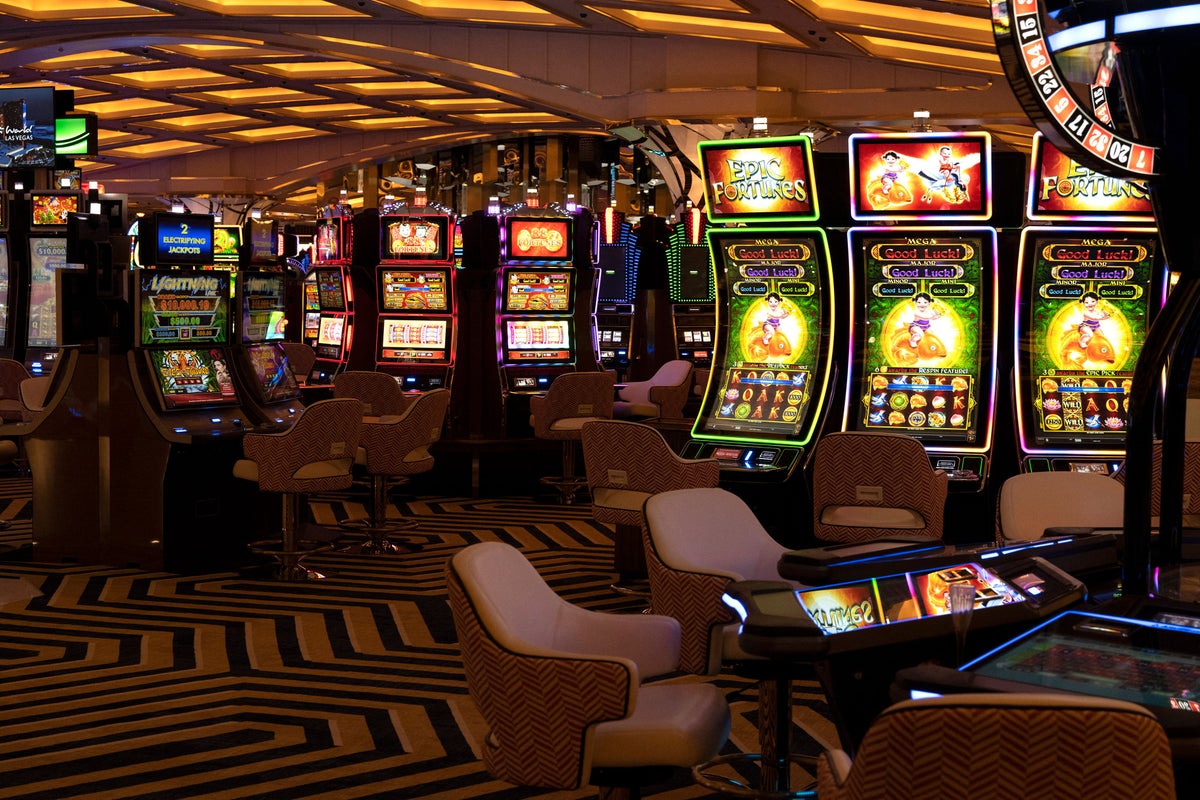
If you walk through a major Las Vegas casino today, you’ll notice the flashing lights of slot machines and the high-energy cheers from the craps tables. What you might not see is the quiet corner once reserved for poker. The news that Planet Hollywood is shuttering its poker room isn't just a one-off business decision. It’s a symptom of a massive shift in how Sin City makes money and who’s actually showing up to spend it.
I’ve spent enough time in Vegas card rooms to know the "poker boom" era is officially a ghost. In 2026, the reality is blunt: poker takes up too much space and makes too little money. When you add a 7.5% drop in overall city visitation throughout 2025, the bean counters at Caesars Entertainment and MGM Resorts start looking at every square foot of the casino floor with a predatory eye.
The Numbers Behind the Empty Seats
The closure at Planet Hollywood follows a string of similar moves across the Strip. Sahara folded its room late in 2024. Tropicana and Mirage are gone entirely. Even Caesars Palace recently shuffled its poker room around to make way for high-limit slots before finally moving it back. But the Planet Hollywood exit is different because it happened so fast—less than a year after they tried to revive the room on a mezzanine level.
The core of the problem is simple math. A poker table requires a dealer, a floor supervisor, and physical real estate for nine players who might sit there for six hours while barely contributing to the "drop" (the house's cut of the pot). In that same space, a casino can jam in 10 to 15 of the latest "test games" or high-limit slots. Those machines don't need a break, they don't demand a free cocktail every twenty minutes from a distracted server, and they never "run hot" in a way that hurts the house's bottom line.
Why Travel to Vegas is Tanking
You can't talk about poker rooms closing without looking at the 38.5 million visitors who came to town last year. That sounds like a big number, but it’s a sharp decline from 2024. The Las Vegas Convention and Visitors Authority (LVCVA) confirmed that December 2025 saw a nearly 10% drop in visitors compared to the previous year.
A huge part of this is the "Canadian Ghosting." Canada has historically been the city's biggest source of international travel. But with a weak Canadian dollar and new trade tariffs causing friction, that pipeline has dried up by roughly 25%. When the international whales and the mid-tier "grinders" stop flying in, the poker rooms are the first to feel the chill.
The Hidden Cost of the Experience Economy
Vegas has rebranded itself as a "sports and entertainment capital," but that comes with a price tag that's pushing people away. Between Formula 1 prep, skyrocketing hotel resort fees, and $25 cocktails, the "value" visitor—the person who used to spend all day grinding $1/$3 No Limit Hold'em—can't afford the trip anymore.
- Hotel ADR (Average Daily Rate): Even with fewer people, rooms averaged around $183 in late 2025.
- Spending Shifts: People are gambling more per person ($848 average budget), but they're doing it in shorter bursts. They want the dopamine hit of a slot machine or a parlay bet on their phone, not the eight-hour psychological warfare of a poker game.
The Strategy of the Big Players
Caesars Entertainment isn't just closing rooms; they're consolidating. By moving the Planet Hollywood staff to Caesars Palace or the Horseshoe (the current home of the World Series of Poker), they’re trying to create "mega-rooms." They want you to go to one or two specific spots rather than having a small room in every property.
It’s a smart move for their balance sheet, but it kills the vibe for the casual tourist. If you're staying at Planet Hollywood and want to play a few hands, you now have to trek across the Strip to find a game. Most people just won't do it. They'll pull a handle on a slot machine instead. Honestly, that's exactly what the casino wants.
Where Can You Still Play
If you’re heading to Vegas in 2026, the "poker map" is smaller than it’s been in decades. You’re down to about 18 active rooms. If you want the best experience, you have to be picky.
The Wynn and Aria remain the gold standard. They’ve invested in their rooms because they cater to the high-end player who doesn't mind the $500 max buy-in on a $1/$3 game. The Venetian recently moved its room to a massive new space in the Grand Canal Shoppes, betting big that a "destination" room can survive even if the rest of the Strip is scaling back.
What to Avoid
Stay away from the "ghost rooms" where only one or two tables are running. If a room feels depressing, the games are usually worse. Players are nittier, the energy is low, and the casino is likely looking for any excuse to pull the plug and install more "Wheel of Fortune" slots.
The Future of the Strip
Despite the gloom, Caesars CEO Tom Reeg insists there’s "no crisis." He’s looking at 2026 as a recovery year, leaning on massive events like WrestleMania 42 and the Las Vegas Grand Prix to fill the rooms. But "filling rooms" for a stadium event isn't the same as sustaining a poker ecosystem.
Poker thrives on "bottom-up" volume—local grinders, tourists on a budget, and people looking for a social game. As Vegas pivots toward the "top-down" model of luxury suites and $1,000-a-seat residencies, the humble poker player is getting priced out of the capital of gambling.
Your Next Steps
- Check the Apps: Don't just walk into a casino expecting a game. Use the Bravo Poker Live or Atlas apps to see how many tables are actually running before you leave your hotel.
- Look Off-Strip: If the Strip feels too expensive or crowded, places like Westgate or the newly renovated Poker Palace in North Las Vegas (reopening mid-2026) often offer better value and a more relaxed atmosphere.
- Consolidate Your Play: If you're a Caesars Rewards member, stick to the Horseshoe or Caesars Palace to maximize your tier credits. With fewer rooms available, loyalty points are one of the few ways to claw back some value from the high cost of the trip.