Summer in the Arctic sounds like a tough sell. Most people associate the Finnish region of Lapland with snow, reindeer, and Santa Claus. Once the ice melts, the tourists vanish. Local businesses face a massive slump.
To combat this seasonal drop, the Tankavaara Gold Village resort came up with a wild idea. They hid a tiny gold bar worth €20,000 somewhere in the local wilderness to kickstart a summer travel gold rush.
It worked.
This isn't just a gimmick. It is a brilliant example of how remote destinations can rewrite the rules of off-season tourism. If you think Europe's northern fringes are dead in July, you are missing out on the real action.
The Strategy Behind the €20,000 Lapland Gold Hunt
Tankavaara has a genuine history rooted in prospecting. Gold was first discovered in the local Hopiaoja River back in 1870. The area has attracted hopeful miners for over a century. By burying a certified €20,000 gold bar, the resort tapped into this authentic heritage instead of inventing a random marketing stunt.
The rules of the hunt are straightforward but challenging.
- The gold bar is hidden within a designated area accessible to the public.
- Clues are released periodically to guests and followers.
- Participants must use traditional map-reading and outdoor skills.
- No heavy machinery or destructive digging is allowed.
This approach changes the entire dynamic of summer travel in Finland. Instead of trying to compete with Mediterranean beaches, Lapland offers an active, high-stakes adventure. It targets a specific type of traveler: people who want to escape the crowds, test their survival skills, and potentially walk away with a small fortune.
Turning the Off-Season Slump Into a Peak Experience
Northern Europe struggles during the warmer months. Ski resorts close. Hotels sit empty. Seasonal workers leave. By introducing a tangible reward, Tankavaara creates an immediate reason to visit.
Think about the psychological shift. You are no longer just hiking through a quiet forest. You are searching for hidden treasure. Every ridge, stream, and old pine tree becomes a potential clue.
This treasure hunt model solves a massive business problem. It extends the tourist calendar. Travelers who arrive for the hunt spend money on lodging, food, and guided tours. They rent gold-panning equipment. They buy local crafts. The economic ripple effect hits the entire municipality of Sodankylä, proving that creative tourism beats standard advertising campaigns every time.
What Most People Get Wrong About Arctic Summers
Many travelers assume the Arctic is miserable when the snow melts. They expect mud, grey skies, and endless swarms of mosquitoes. That perception is flat-out wrong.
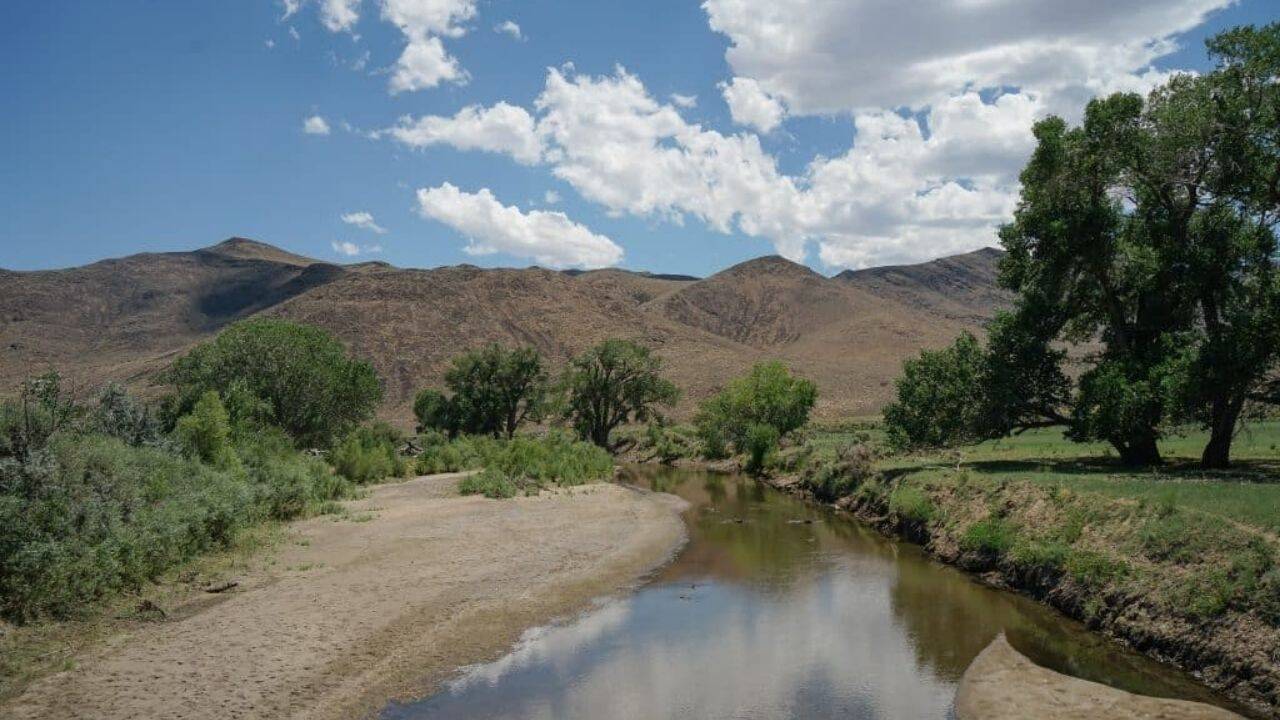
Summer in Lapland brings the midnight sun. From late May to net mid-July, the sun never sets. You get 24 hours of daylight. This geographical phenomenon completely alters your perception of time. You can go hiking at 2:00 AM under a golden sky. The forests are lush, the rivers run clear, and the wildlife is incredibly active.
The temperature is surprisingly mild, often hovering around 15 to 20 degrees Celsius. It is ideal weather for trekking, kayaking, and, yes, panning for gold. The mosquito issue is real, but a bit of high-quality repellent and the right clothing make it manageable. Don't let a few bugs scare you away from a massive wilderness adventure.
How to Plan Your Own Arctic Treasure Hunt
If you want to catch the treasure hunting bug, you need to prepare properly. Do not just fly into Rovaniemi, rent a car, and wander blindly into the woods. The Arctic wilderness is vast and unforgiving.
Start by booking a base camp near Tankavaara. Spend your first few days learning the basics. The Gold Village offers panning lessons from experienced prospectors who know the geology of the region. You need to understand how gold moves in water and where it settles in the soil.
Equip yourself with high-quality topographic maps and a reliable compass. GPS signals can be spotty in remote valleys. Learn how to read the landscape. Look for natural rock formations, old mining claims, and historical landmarks. Pay close attention to the official clues provided by the organizers. They often contain subtle wordplay or references to local history that require a bit of research to decode. Keep your gear light, stay hydrated, and respect the local environment. Pack out everything you pack in. The hunt is only fun if the wilderness remains pristine for the next person.